
Category: Diagnostic Services

  • Nasal Septum Deviation: Symptoms, Causes, Diagnosis & Best Treatment Options

    Nasal Septum Deviation: Symptoms, Causes, Diagnosis & Best Treatment Options

    Breathing comfortably through the nose is essential for daily life, quality sleep, and overall respiratory health. However, many people experience persistent nasal blockage without realizing that the underlying issue may be nasal septum deviation. This condition affects the thin wall that separates the two nasal passages and can interfere with normal airflow.

    While some individuals have a mild deviation that causes no noticeable problems, others may struggle with breathing difficulties, recurrent sinus infections, snoring, and sleep disturbances. Understanding the condition, its symptoms, causes, diagnosis, and available treatments can help patients make informed decisions and seek timely medical care.

    What Is Nasal Septum Deviation?

    The nose contains a central partition known as the nasal septum. Ideally, this structure divides the nasal cavity into two equal passages. However, in many people, the septum shifts to one side, reducing airflow through one nostril and creating functional problems. Understanding the anatomy and effects of this condition is important for recognizing when medical evaluation may be necessary.

    Understanding the Nasal Septum Structure

    The nasal septum is made of cartilage in the front and bone in the back. It serves as the dividing wall between the right and left nasal passages. A properly aligned septum supports balanced airflow and helps the nose perform essential functions such as filtering, warming, and humidifying inhaled air.

    The septum also contributes to overall nasal stability. Even a small structural change can affect airflow patterns. Modern ENT assessments often use nasal endoscopy and imaging techniques to evaluate septal alignment accurately and determine the extent of any obstruction.

    What Happens When the Septum Becomes Deviated?

    A deviation occurs when the septum bends or shifts away from the center. As a result, one nasal passage becomes narrower than the other. This imbalance can create partial or significant airflow obstruction, depending on the severity of the deviation.

    People with a deviated nasal septum may notice persistent blockage on one side of the nose. In more severe cases, reduced airflow can affect sleep quality, exercise performance, and overall comfort. The condition may also increase susceptibility to recurring nasal and sinus problems due to impaired drainage.

    DNS (Deviated Nasal Septum): Definition Explained

    The medical abbreviation dns deviated nasal septum is commonly used by ENT specialists to describe a septum that is displaced from its normal central position. The condition can be present from birth or develop later due to injury.

    Many individuals searching for what is deviated nasal septum are surprised to learn that slight deviations are common. However, treatment becomes important when symptoms interfere with breathing, sleep, or daily activities. Diagnosis is usually straightforward and often begins with a physical examination of the nasal cavity.

    Common Symptoms of a Deviated Nasal Septum

    Symptoms vary widely among individuals. Some experience mild discomfort, while others face chronic breathing difficulties that significantly impact their quality of life. The severity of symptoms often depends on the degree of septal deviation and the presence of related nasal conditions.

    Breathing Difficulty Through One Nostril

    One of the most common deviated nasal septum symptoms is difficulty breathing through a single nostril. Patients frequently report that one side feels consistently blocked, even when they do not have a cold or allergy flare-up.

    This blockage may become more noticeable during exercise, sleep, or seasonal weather changes. Many people unconsciously breathe through their mouth to compensate, which can lead to dry mouth and throat irritation. Persistent one-sided nasal obstruction should always be evaluated by an ENT specialist.

    Frequent Nasal Congestion and Sinus Infections

    A deviated septum can disrupt normal mucus drainage within the nasal passages. When mucus accumulates, bacteria may grow more easily, increasing the risk of recurrent sinus infections and chronic congestion.

    Common concerns include:

    • Repeated sinus pressure
    • Facial discomfort
    • Thick nasal discharge
    • Reduced sense of smell
    • Persistent stuffiness

    People often mistake these symptoms for allergies alone. However, structural obstruction may be a contributing factor, particularly when symptoms continue despite medication.

    Snoring, Sleep Issues, and Headaches

    Restricted nasal airflow can affect sleep quality. Individuals with significant deviation may experience loud snoring, restless sleep, and frequent nighttime awakenings. In some cases, breathing difficulties can worsen existing sleep-related conditions.

    Poor airflow may also contribute to morning headaches and daytime fatigue. Compared with individuals who have normal nasal airflow, patients with substantial septal obstruction often report reduced sleep satisfaction and lower energy levels throughout the day.

    Causes and Risk Factors of Nasal Septum Deviation

    Understanding the underlying causes helps explain why the condition develops and why some individuals are more likely to experience symptoms than others. Several factors can influence septal alignment over time.

    Congenital Nasal Septum Deviation

    Some people are born with septal irregularities that develop during fetal growth or childbirth. In these cases, the deviation exists from an early age, although symptoms may not become noticeable until adolescence or adulthood.

    Congenital deviations vary in severity. A child may have no symptoms initially but develop breathing difficulties later as facial structures continue to grow. Early diagnosis can be beneficial when symptoms begin affecting daily activities.

    Nasal Injury and Trauma

    Among the most common deviated nasal septum causes, trauma remains a major factor. Sports injuries, falls, road accidents, and physical impacts can shift the septum from its normal position.

    Examples include:

    • Contact sports injuries
    • Bicycle accidents
    • Childhood falls
    • Workplace trauma
    • Motor vehicle collisions

    Even injuries that seem minor at the time can result in structural changes. Some patients do not realize a past injury contributed to their breathing difficulties until an ENT examination reveals the deviation.

    Age-Related Changes in Nasal Structure

    As people age, natural changes occur in cartilage and supporting tissues throughout the body. These gradual alterations can influence nasal structure and make existing deviations more noticeable.

    A mild deviation that caused little concern during youth may produce symptoms later in life. Age-related tissue changes can also contribute to increased nasal obstruction, reduced airflow efficiency, and greater sensitivity to inflammation within the nasal passages.

    Treatment Options for Nasal Septum Deviation

    Treatment depends on symptom severity, overall health, and the impact of the condition on daily life. While some individuals benefit from conservative management, others may require surgical correction for lasting improvement.

    Non-Surgical Treatments and Symptom Management

    Mild symptoms can often be managed without surgery. Although these approaches do not correct the structural deviation, they may reduce inflammation and improve airflow.

    Common non-surgical options include:

    • Saline nasal rinses
    • Nasal steroid sprays
    • Allergy management
    • Decongestants when appropriate
    • Humidification therapy

    These treatments focus on symptom control rather than anatomical correction. They are particularly useful for patients whose symptoms are triggered or worsened by allergies and seasonal irritation.

    When Is Septoplasty Recommended?

    When symptoms persist despite conservative care, deviated nasal septum treatment may involve septoplasty. This surgical procedure straightens and repositions the septum to improve airflow through both nasal passages.

    Doctors typically recommend surgery when patients experience:

    • Chronic nasal obstruction
    • Frequent sinus infections
    • Persistent breathing difficulties
    • Sleep-related problems
    • Reduced quality of life

    Modern septoplasty techniques are highly refined and generally provide predictable outcomes. The procedure addresses the structural cause rather than simply managing symptoms.

    Recovery and Long-Term Results

    Recovery after septoplasty varies among individuals, but most patients return to normal activities within a relatively short period. Initial swelling gradually subsides, and breathing often improves over several weeks.

    Studies and clinical experience show that appropriately selected patients typically experience significant improvement in nasal airflow and comfort. In addition, many of the complications of deviated nasal septum, such as chronic congestion and recurrent infections, may become less frequent after successful correction.

    Long-term results are generally stable when surgery is performed by an experienced ENT surgeon and postoperative instructions are followed carefully.

    Conclusion

    Nasal septum deviation is a common structural condition that can range from a minor anatomical variation to a significant cause of breathing difficulty and chronic nasal symptoms. Early recognition of symptoms, understanding potential causes, and obtaining a proper diagnosis are essential for effective management.

    Whether symptoms are managed through medication or corrected with surgery, timely treatment can improve airflow, sleep quality, and overall comfort. Individuals experiencing persistent nasal blockage, recurrent sinus issues, or sleep disturbances should consider consulting an ENT specialist for a comprehensive evaluation and personalized treatment plan.

    FAQs

    1. Can nasal septum deviation go away on its own?

    No. A septal deviation is a structural condition and does not typically correct itself without medical intervention.

    2. How is nasal septum deviation diagnosed?

    Diagnosis usually involves a physical examination, nasal endoscopy, and occasionally imaging studies when additional evaluation is needed.

    3. Is a deviated septum dangerous?

    Most cases are not dangerous, but severe obstruction can affect breathing, sleep quality, and sinus health if left untreated.

    4. What is the best treatment for a deviated septum?

    The best approach depends on symptom severity. Mild cases may respond to medications, while significant obstruction often requires septoplasty.

    5. Can a deviated septum cause sinus infections?

    Yes. Obstructed airflow and impaired mucus drainage can increase the likelihood of recurrent sinus infections and chronic congestion.
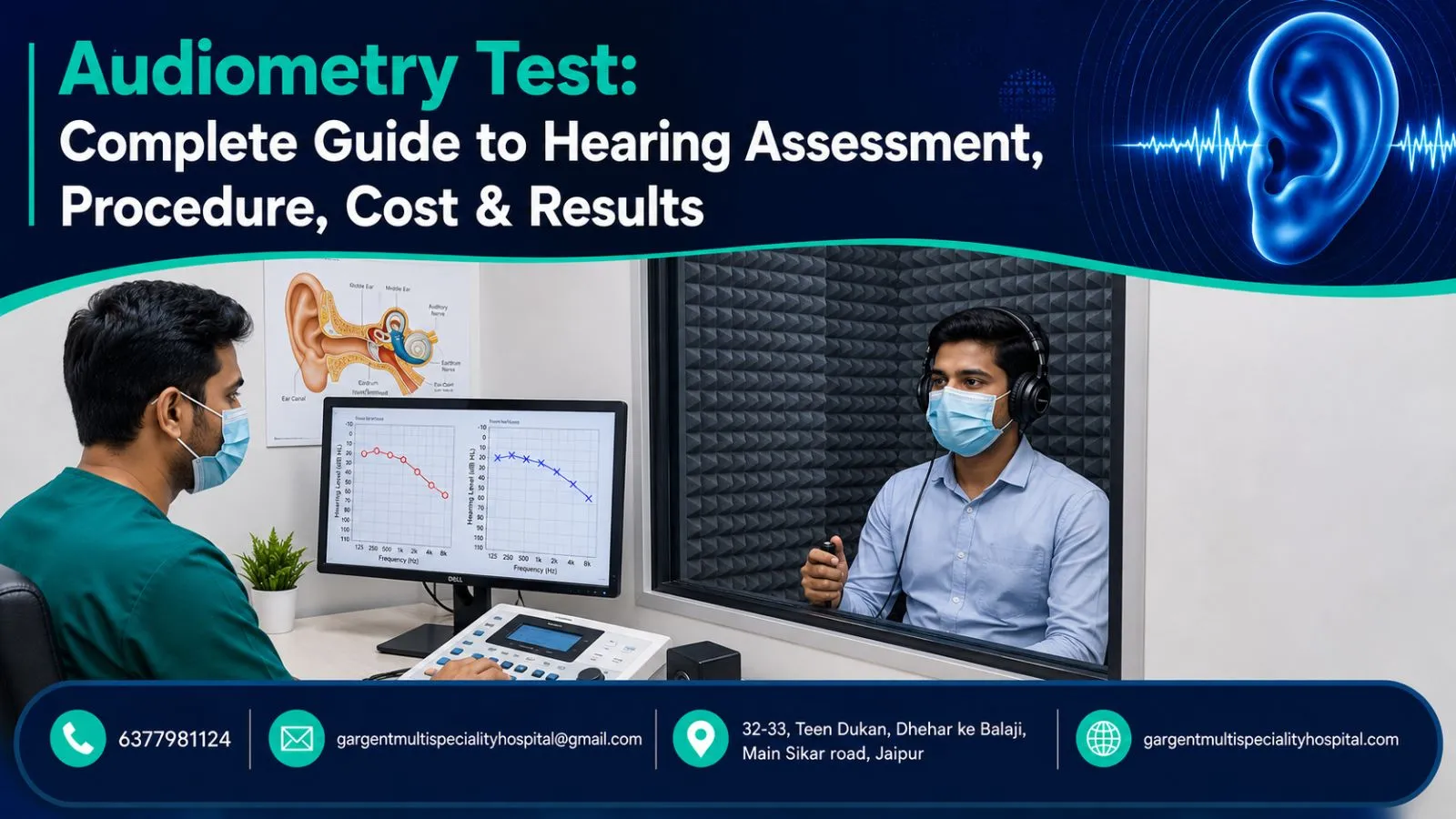
  • Audiometry Test: Complete Guide to Hearing Assessment, Procedure, Cost & Results

    Audiometry Test: Complete Guide to Hearing Assessment, Procedure, Cost & Results

    Hearing plays a vital role in communication, learning, and overall quality of life. However, many people ignore early signs of hearing loss until it begins affecting daily activities. An audiometry test is one of the most effective diagnostic tools used to assess hearing ability and identify hearing-related disorders. Whether a person experiences difficulty understanding conversations, ringing in the ears, or reduced hearing sensitivity, timely evaluation can help prevent further complications.

    With increasing exposure to noise pollution, headphones, workplace noise, and age-related hearing issues, hearing assessments have become more important than ever. Understanding how hearing tests work, what they measure, and how to interpret the findings can help patients make informed healthcare decisions.

    What Is an Audiometry Test and Why Is It Important?

    Hearing problems can develop gradually, making them difficult to detect without professional assessment. An audiometry test helps healthcare professionals evaluate hearing sensitivity and determine whether hearing loss is present. The test measures how well a person can hear sounds of different frequencies and volumes, allowing specialists to identify the type and severity of hearing impairment.

    Early detection of hearing issues improves treatment outcomes and helps maintain better communication abilities. For children, adults, and seniors alike, hearing evaluation is an important part of preventive healthcare.

    Audiometry Test Meaning Explained

    Many patients search for the audiometry meaning before scheduling a hearing assessment. Audiometry refers to the scientific measurement of hearing ability. It evaluates how effectively an individual can hear speech, tones, and various sound frequencies.

    The purpose of the test is to determine:

    • Hearing threshold levels
    • Degree of hearing loss
    • Type of hearing impairment
    • Need for further treatment

    Understanding the what is audiometry test concept can reduce anxiety and help patients prepare for the examination process.

    Who Should Get a Hearing Test?

    Hearing assessments are recommended for individuals of all age groups when symptoms or risk factors are present. Certain professions and medical conditions increase the likelihood of hearing-related problems.

    People who should consider testing include:

    • Individuals exposed to loud workplace noise
    • Older adults
    • People with recurring ear infections
    • Patients experiencing tinnitus
    • Individuals with family history of hearing loss
    • Children with delayed speech development

    Regular monitoring helps detect hearing changes before they significantly impact daily life.

    Signs You May Need Audiometry

    Hearing loss often develops gradually. Many people adapt to changes without realizing their hearing has declined.

    Common warning signs include:

    • Frequently asking others to repeat themselves
    • Difficulty understanding conversations
    • Increasing television volume
    • Ringing sounds in the ears
    • Trouble hearing in crowded environments
    • Missing phone calls or alarms

    When these symptoms appear, scheduling an audiometry test can help identify the underlying cause and guide appropriate treatment.

    Types of Audiometry Tests Used for Hearing Evaluation

    Modern hearing assessment involves different testing methods depending on the patient’s symptoms and clinical requirements. Healthcare professionals may use one or multiple evaluations to obtain a complete picture of hearing health. Each test serves a specific purpose and helps determine how sound travels through different parts of the auditory system.

    Pure Tone Audiometry (PTA)

    Pure Tone Audiometry is the most commonly performed hearing assessment. During this evaluation, patients wear headphones and respond whenever they hear tones at different frequencies and volumes.

    The test helps determine:

    • Hearing threshold levels
    • Degree of hearing loss
    • Hearing sensitivity in each ear

    Pure Tone Audiometry is widely used because it provides accurate information regarding hearing function and assists specialists in planning treatment strategies.

    Speech Audiometry

    Speech Audiometry measures the ability to hear and understand spoken words. Unlike tone-based testing, this assessment focuses on real-world communication skills.

    The evaluation helps determine:

    • Speech recognition ability
    • Clarity of hearing
    • Communication difficulties

    This assessment is particularly useful when patients report difficulty understanding conversations despite hearing sounds adequately.

    Impedance Audiometry

    Impedance Audiometry evaluates middle ear function by measuring how the eardrum responds to changes in air pressure.

    The test is commonly used to identify:

    • Fluid in the middle ear
    • Eardrum abnormalities
    • Eustachian tube dysfunction
    • Conductive hearing loss

    When combined with other hearing evaluations, it provides a comprehensive understanding of auditory health and potential medical concerns.

    Audiometry Test Procedure Step by Step

    Many patients feel nervous before a hearing assessment because they are unfamiliar with the process. Understanding the audiometry test procedure helps eliminate uncertainty and allows individuals to approach the evaluation with confidence. The procedure is painless, non-invasive, and generally requires minimal preparation.

    Preparation Before the Test

    Proper preparation contributes to accurate results. Most patients can continue their normal activities before the examination.

    Helpful preparation steps include:

    • Avoid loud noise exposure before testing
    • Inform the doctor about medications
    • Share previous hearing records
    • Report ear infections or ear pain
    • Arrive a few minutes early

    These simple measures help healthcare professionals obtain reliable hearing measurements.

    How the Test Is Performed

    The audiometry test procedure typically begins with a discussion of symptoms and medical history. Patients are then guided into a quiet testing room where specialized equipment is used.

    The process usually includes:

    • Wearing headphones
    • Listening to tones
    • Responding to sounds
    • Speech recognition evaluation
    • Additional middle ear testing if required

    The audiologist records responses and analyzes hearing thresholds to identify any abnormalities.

    Duration and Patient Experience

    Most hearing assessments are completed within 20 to 45 minutes depending on the complexity of the evaluation. The process is comfortable and does not involve needles, injections, or surgical procedures.

    Patients generally experience:

    • No pain
    • Minimal discomfort
    • Clear instructions
    • Immediate completion

    Because the procedure is straightforward, individuals can resume normal activities immediately after the examination.

    Understanding Audiometry Test Results and Reports

    Receiving hearing assessment findings can sometimes feel confusing due to medical terminology and graphs. Understanding an audiometry test report allows patients to better discuss results with healthcare providers and participate in treatment decisions. Accurate interpretation helps determine whether hearing is normal or if additional evaluation and management are necessary.

    Normal Hearing Range

    One of the most common patient concerns involves understanding the audiometry test normal range. Hearing thresholds are measured in decibels (dB), which indicate the softest sounds a person can detect.

    Generally accepted hearing levels include:

    • Normal: 0–25 dB
    • Mild loss: 26–40 dB
    • Moderate loss: 41–55 dB
    • Severe loss: Above 70 dB

    Healthcare providers use these ranges to classify hearing ability and determine treatment recommendations.

    Reading an Audiometry Report

    An audiometry test report typically contains graphs, hearing thresholds, and clinical observations. These findings help specialists identify the severity and type of hearing impairment.

    Key components often include:

    • Hearing threshold chart
    • Frequency measurements
    • Speech recognition scores
    • Diagnostic interpretation
    • Clinical recommendations

    Understanding these sections allows patients to gain better insight into their hearing health.

    When to Consult an ENT Specialist

    After reviewing audiometry test results, an ENT specialist may recommend additional evaluation or treatment if abnormalities are detected.

    Medical consultation is important when:

    • Hearing loss is identified
    • Symptoms worsen over time
    • Ear pain accompanies hearing issues
    • Tinnitus becomes persistent
    • Balance problems develop

    Prompt medical attention helps prevent complications and improves long-term hearing outcomes.

    Modern hearing care relies heavily on accurate diagnostic assessments. An audiometry test provides valuable information about hearing sensitivity, speech understanding, and overall auditory function. Early diagnosis can help identify hearing loss before it significantly affects communication and daily life.

    For individuals experiencing hearing difficulties, professional evaluation remains the most reliable approach. Understanding what is audiometry test, interpreting audiometry test results, and reviewing an audiometry test report with an ENT specialist can support timely treatment and better hearing health outcomes.

    FAQs

    1. What is an audiometry test?

    An audiometry test is a hearing assessment used to measure hearing ability, detect hearing loss, and evaluate overall auditory function.

    2. Is the audiometry test painful?

    No. The procedure is completely painless, non-invasive, and safe for patients of all ages.

    3. How long does an audiometry test take?

    Most hearing evaluations are completed within 20 to 45 minutes depending on the tests being performed.

    4. What is the normal range in an audiometry test?

    The audiometry test normal range is generally considered between 0 and 25 decibels, indicating normal hearing sensitivity.

    5. Who should undergo an audiometry test?

    Individuals experiencing hearing difficulties, tinnitus, frequent ear infections, age-related hearing concerns, or workplace noise exposure should consider hearing assessment.