Snoring is a common sleep-related problem that affects millions of people worldwide. While occasional snoring may be harmless, persistent or loud snoring can disturb sleep quality, affect relationships, and sometimes indicate an underlying medical condition. As a result, many people look for an anti snoring device before seeking professional treatment.
Today, the market offers a wide range of products, including nose clips, nasal strips, mouth guards, and oral appliances. Some devices provide temporary relief for mild snoring, while others are designed to treat specific causes such as blocked nasal passages or jaw positioning. However, no single device works for everyone because the effectiveness depends on why a person snores.
This guide explains how anti-snoring devices work, the different types available, their effectiveness, and when it’s time to consult an ENT specialist instead of relying on over-the-counter products.
What Are Anti-Snoring Devices and How Do They Work?
An anti-snoring device is designed to improve airflow during sleep by reducing airway obstruction. Depending on the type of device, it may open the nasal passages, reposition the lower jaw, or support normal breathing.
The goal is to reduce the vibration of soft tissues inside the airway, which produces the sound of snoring. Choosing the right solution requires understanding the underlying cause, whether it is nasal congestion, obesity, enlarged tonsils, or sleep apnea.
Improving Airflow During Sleep
Normal breathing depends on an open airway. During sleep, muscles naturally relax, causing the airway to narrow in some people.
This narrowing can result from:
- Nasal congestion
- Deviated nasal septum
- Enlarged tonsils
- Obesity
- Sleeping on the back
When airflow becomes restricted, the soft tissues vibrate and create the familiar snoring sound. Many snoring solutions focus on improving airflow to reduce these vibrations.
People with temporary nasal blockage caused by allergies or colds often experience improvement when airflow through the nose is restored.
Different Types of Anti-Snoring Devices
There are several types of devices available, each designed for a different cause of snoring.
Common options include:
- Nasal strips
- Nose clips
- Nasal dilators
- Mouth guards
- Oral appliances
- Chin straps
- Positional sleep devices
Some products work externally by widening the nostrils, while others reposition the jaw to keep the airway open during sleep.
Understanding the cause of snoring helps determine which device is most appropriate.
Choosing the Right Device for Your Symptoms
Not every snoring product is suitable for every individual.
Consider these factors before choosing a device:
- Location of airway obstruction
- Frequency of snoring
- Nasal blockage
- Jaw position
- Sleep quality
- Presence of daytime fatigue
For example, someone with chronic nasal congestion may benefit from nasal devices, whereas individuals whose snoring results from jaw positioning may require an oral appliance prescribed by a dental or ENT specialist.
Popular Anti-Snoring Devices Available Today
Numerous products claim to stop snoring, but their effectiveness varies based on individual anatomy and the underlying cause.
Understanding how each device works helps users make informed decisions instead of relying solely on marketing claims.
Nasal Strips and Nasal Dilators
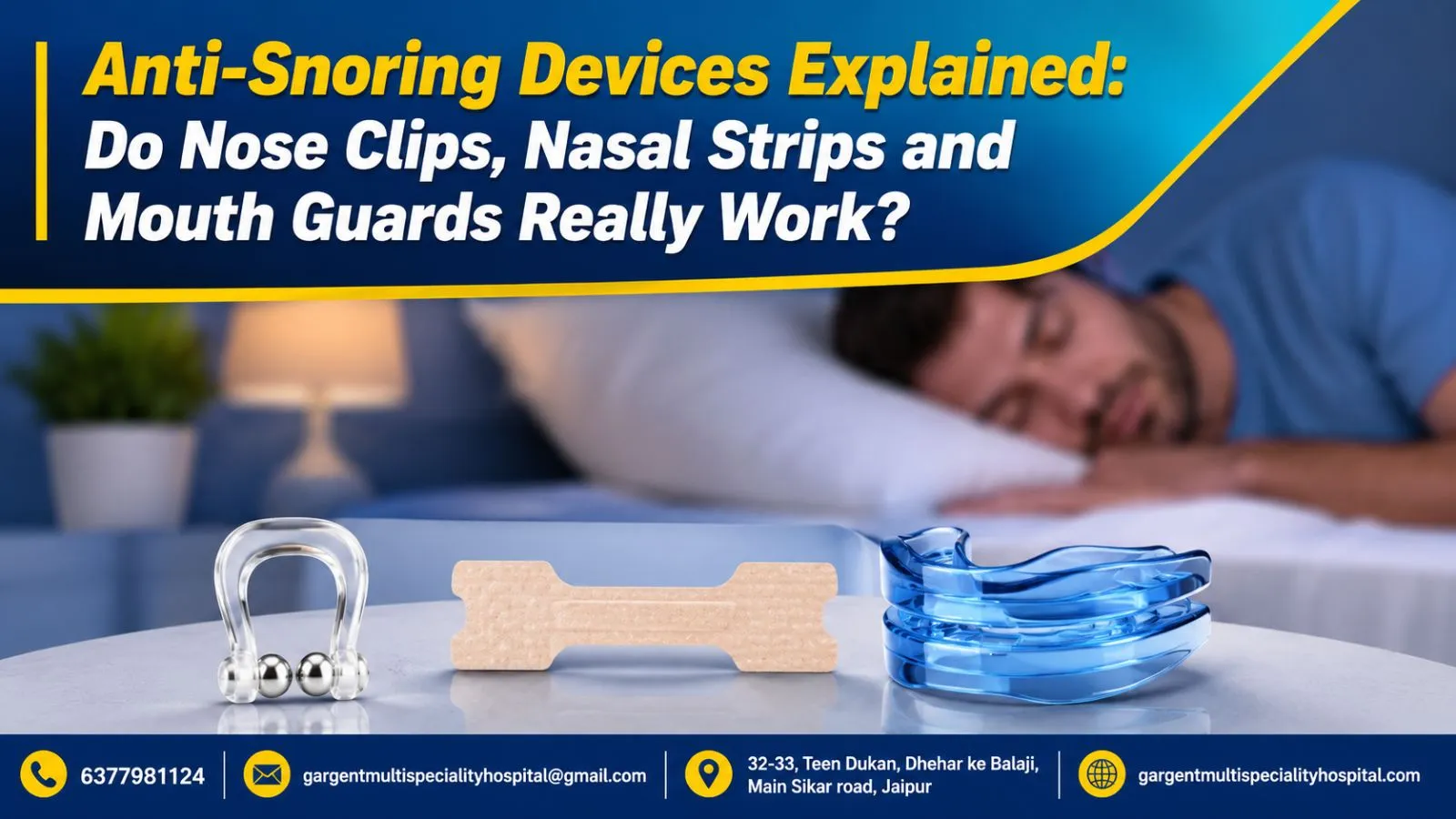
Nasal strips for snoring are adhesive strips placed across the bridge of the nose. They gently lift the sides of the nostrils, increasing airflow through the nasal passages.
Benefits include:
- Non-invasive
- Easy to use
- Drug-free
- Affordable
- Helpful for temporary nasal congestion
Internal nasal dilators work similarly by physically widening the nostrils from inside the nose.
These products are most effective for people whose snoring is caused primarily by nasal obstruction rather than throat-related airway collapse.
Nose Clips for Snoring
An anti snoring nose clip is a small device inserted into the nostrils to increase airflow during sleep.
Potential advantages include:
- Compact design
- Reusable
- Comfortable for some users
- No medication required
However, scientific evidence supporting nose clips remains limited. While some users report symptom improvement, others experience little or no benefit because their snoring originates deeper within the airway.
Anyone considering this type of snoring device should understand that results vary significantly depending on the cause of snoring.
Mouth Guards and Oral Appliances
A snoring mouth guard works by repositioning the lower jaw slightly forward during sleep.
This movement helps:
- Keep the airway open
- Reduce tongue collapse
- Improve airflow
- Minimize tissue vibration
Many custom-made anti snoring mouthpiece devices are recommended for individuals with mild to moderate snoring or certain cases of obstructive sleep apnea.
Professionally fitted oral appliances are generally more effective and comfortable than generic over-the-counter versions.
Do Anti-Snoring Devices Actually Work?
The effectiveness of anti-snoring devices depends largely on why a person snores. Some products offer noticeable improvement, while others provide only temporary or minimal relief.
Understanding their limitations prevents unrealistic expectations.
Effectiveness for Mild Snoring
People with occasional or mild snoring often experience improvement using simple devices.
These products work best when snoring results from:
- Temporary nasal congestion
- Mild airway narrowing
- Seasonal allergies
- Sleeping position
Lifestyle improvements such as weight management, avoiding alcohol before bedtime, and sleeping on the side can further increase the effectiveness of stop snoring devices.
Combining healthy habits with appropriate devices often produces better long-term results than relying on products alone.
Limitations of Over-the-Counter Devices
Although many anti-snoring products are widely available, they cannot treat every cause of snoring.
Common limitations include:
- Poor fit
- Temporary symptom relief
- Limited effectiveness for severe snoring
- Discomfort during prolonged use
- No treatment for structural airway problems
People with chronic snoring caused by enlarged tonsils, nasal polyps, or severe septal deviation usually require medical evaluation rather than self-treatment.
Purchasing multiple products without identifying the underlying cause often leads to frustration and unnecessary expense.
When Devices Fail to Solve the Problem
Persistent snoring despite trying different products may indicate a more serious medical condition.
Warning signs include:
- Loud nightly snoring
- Pauses in breathing
- Morning headaches
- Excessive daytime sleepiness
- Difficulty concentrating
These symptoms should never be ignored because they may indicate obstructive sleep apnea, a condition requiring professional diagnosis and treatment.
When to Consider Professional Snoring Treatment
While many anti-snoring devices can reduce mild snoring, persistent symptoms should always be evaluated by an ENT specialist. Identifying the exact cause allows treatment to target the underlying problem rather than simply masking the symptoms.
Signs of Underlying Airway Problems
Certain conditions increase the likelihood that snoring is caused by structural airway obstruction.
These include:
- Deviated nasal septum
- Enlarged tonsils
- Nasal polyps
- Chronic sinusitis
- Enlarged adenoids
Treating these conditions often provides greater long-term improvement than relying solely on over-the-counter devices.
Snoring Linked to Sleep Apnea
Not all snoring is harmless.
Seek medical evaluation if snoring is associated with:
- Gasping during sleep
- Choking episodes
- Witnessed breathing pauses
- Severe daytime fatigue
- High blood pressure
Obstructive sleep apnea increases the risk of cardiovascular disease, diabetes, stroke, and poor sleep quality. Early diagnosis significantly improves long-term health outcomes.
ENT Evaluation and Advanced Treatment Options
An ENT specialist performs a comprehensive evaluation to identify the exact cause of snoring.
Diagnosis may include:
- Medical history
- Physical examination
- Nasal endoscopy
- Sleep study
- Imaging when required
Treatment options depend on the diagnosis and may include medications, allergy management, CPAP therapy, custom oral appliances, minimally invasive procedures, or surgery for structural airway obstruction.
Rather than relying indefinitely on temporary products, professional evaluation ensures patients receive the most appropriate and effective treatment for lasting relief from snoring.
Conclusion
An anti-snoring device can be an effective solution for people with mild or occasional snoring, especially when the problem is caused by temporary nasal congestion or minor airway narrowing. Products such as nasal strips, nose clips, and mouth guards may improve airflow and reduce snoring in selected individuals. However, their effectiveness depends on identifying the actual cause of the snoring rather than choosing a device based on convenience or advertising claims.
If snoring is persistent, becomes louder over time, or is associated with choking, breathing pauses, excessive daytime sleepiness, or morning headaches, it should not be ignored. These symptoms may indicate obstructive sleep apnea or another underlying airway disorder that requires medical evaluation.
Consulting an ENT specialist is the most reliable way to determine the cause of chronic snoring. A thorough examination can identify structural problems, allergies, nasal obstruction, or sleep-related breathing disorders and guide the most appropriate treatment. While over-the-counter devices may provide temporary relief, professional diagnosis offers the best chance of achieving long-term improvement and better overall sleep health.
FAQs
1. What is the best anti-snoring device?
The best anti-snoring device depends on the cause of your snoring. Nasal strips may help with nasal congestion, while mouth guards are more effective for snoring caused by jaw or tongue positioning. An ENT evaluation is recommended if the cause is unclear.
2. Do anti-snoring nose clips really work?
An anti-snoring nose clip may improve airflow for people with mild nasal blockage. However, it is less effective for snoring caused by throat obstruction or obstructive sleep apnea, and results vary from person to person.
3. Are nasal strips effective for snoring?
Yes, nasal strips for snoring can be effective when snoring is caused by nasal congestion or narrow nasal passages. They work by gently widening the nostrils to improve airflow during sleep.
4. Can a snoring mouth guard stop snoring permanently?
A snoring mouth guard can significantly reduce snoring by moving the lower jaw forward and keeping the airway open. However, it does not permanently cure the underlying cause, and severe cases may require medical treatment.
5. When should I see an ENT specialist for snoring?
You should consult an ENT specialist if you snore frequently, experience pauses in breathing during sleep, wake up gasping for air, have excessive daytime sleepiness, or if over-the-counter anti-snoring devices fail to improve your symptoms.