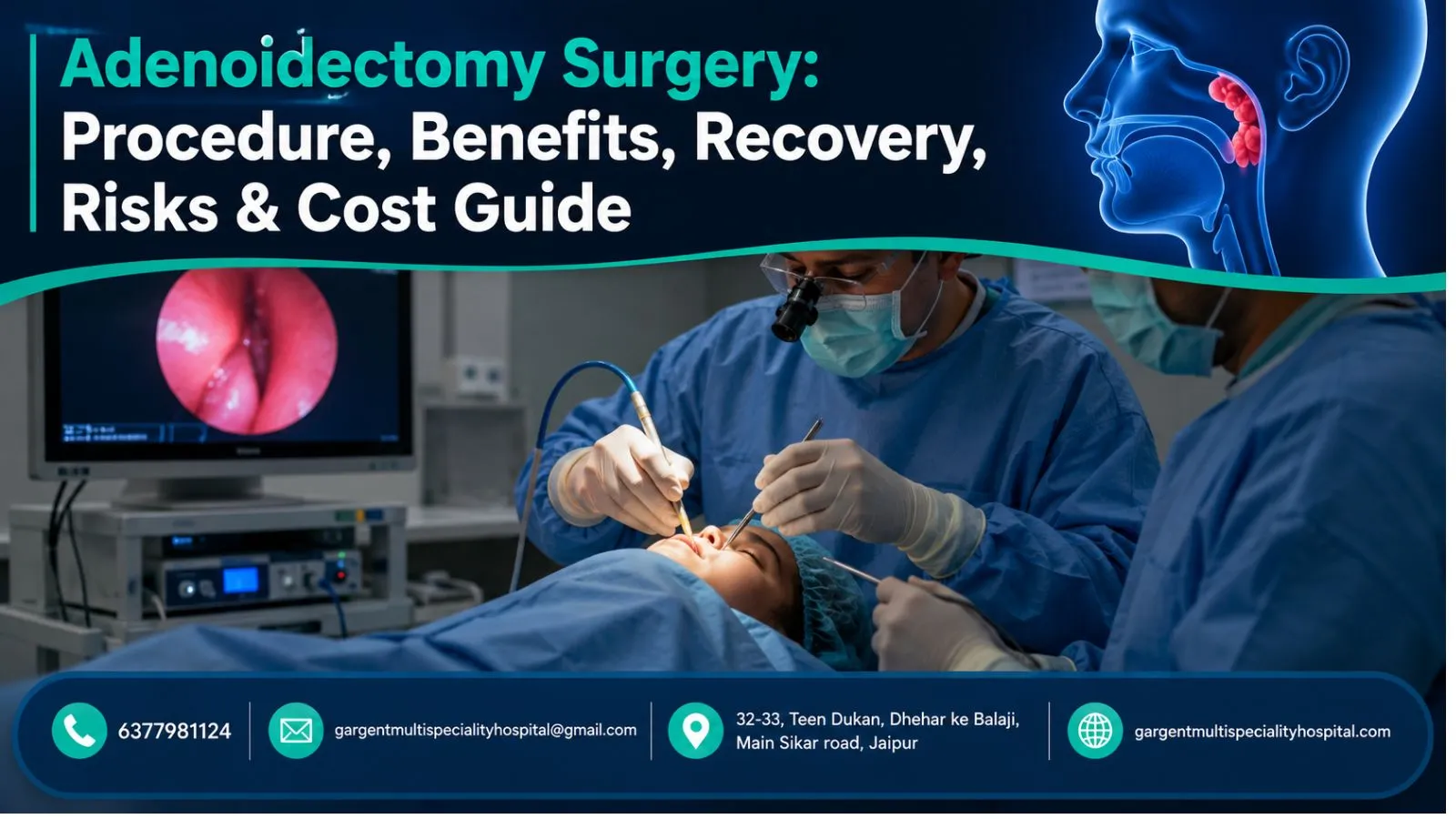
Breathing difficulties, chronic nasal blockage, persistent snoring, and recurrent ear infections are common problems caused by enlarged adenoids. These issues are especially common in children, although adults can also experience symptoms related to enlarged adenoid tissue. When medications and conservative treatments fail to provide relief, doctors may recommend Adenoidectomy Surgery as a safe and effective solution.
This procedure involves removing the adenoid glands located behind the nose. By eliminating the source of airway obstruction and repeated infections, patients often experience better breathing, improved sleep quality, fewer ear infections, and an overall improvement in daily life.
In this guide, you will learn everything about Adenoidectomy Surgery, including the procedure, benefits, recovery process, possible risks, and treatment costs.
What Is Adenoidectomy Surgery?
Adenoidectomy Surgery is a surgical procedure performed to remove enlarged or infected adenoid glands. Adenoids are a mass of lymphatic tissue located at the back of the nasal cavity. They play a role in the immune system during early childhood by helping the body fight infections.
However, when adenoids become enlarged or repeatedly infected, they can create more problems than benefits. Enlarged adenoids may block airflow through the nose, affect sleep, and contribute to ear and sinus infections.
The surgery is generally performed under general anaesthesia and is considered one of the most common ENT procedures worldwide. Most patients can return home on the same day, making it a convenient and effective treatment option.
Key Facts About Adenoidectomy Surgery
- Removes enlarged or infected adenoid tissue
- Usually performed under general anaesthesia
- Takes approximately 30–45 minutes
- Commonly recommended for children
- Often performed as a day-care procedure
- May be combined with tonsil removal surgery
Why Is Adenoidectomy Surgery Performed?
Doctors recommend surgery when enlarged adenoids begin affecting a patient’s health, sleep, breathing, or hearing. The decision is based on symptoms, examination findings, and response to previous treatments.
Common Reasons for Adenoid Removal
- Chronic nasal blockage
- Persistent mouth breathing
- Loud snoring
- Obstructive sleep apnea
- Recurrent ear infections
- Frequent sinus infections
- Hearing loss caused by glue ear
- Sleep disturbances affecting daily life
For many patients, surgery becomes necessary when medications provide only temporary relief or fail to resolve symptoms completely.
Symptoms That May Indicate Enlarged Adenoids
Many parents are unaware that enlarged adenoids can affect multiple aspects of a child’s health. Symptoms often develop gradually and may worsen over time.
Common Signs and Symptoms
- Difficulty breathing through the nose
- Constant mouth breathing
- Frequent snoring
- Restless sleep
- Daytime fatigue
- Recurrent ear infections
- Hearing difficulties
- Nasal-sounding speech
- Chronic sinus congestion
Children with severe adenoid enlargement may also experience poor concentration, irritability, and reduced academic performance due to disrupted sleep.
Who Needs Adenoidectomy Surgery?
The procedure is most commonly performed in children between three and eight years of age. However, older children, teenagers, and adults may also require treatment if enlarged adenoids continue to cause symptoms.
Patients Who May Benefit Most
- Children with repeated ear infections
- Patients with chronic nasal obstruction
- Individuals diagnosed with sleep apnea
- Children with glue ear and hearing loss
- Patients with persistent snoring
- Adults with enlarged adenoids confirmed through endoscopy
An ENT specialist evaluates each case individually before recommending surgery.
How Is Adenoid Enlargement Diagnosed?
Accurate diagnosis is essential before planning treatment. ENT specialists use modern diagnostic tools to determine the severity of adenoid enlargement and its impact on breathing and hearing.
Clinical Examination
The doctor reviews symptoms, medical history, and previous treatments to understand the condition.
Nasal Endoscopy
A thin camera is inserted through the nose to directly visualize the adenoid tissue. This is one of the most reliable methods for diagnosing enlarged adenoids.
Hearing Assessment
Patients with recurrent ear infections or glue ear may require hearing tests to evaluate hearing function.
Sleep Evaluation
If sleep apnea is suspected, additional testing may be recommended to assess breathing patterns during sleep.
Types of Adenoidectomy Surgery
Several surgical techniques are available today. The choice depends on the patient’s condition, surgeon experience, and hospital facilities.
Traditional Adenoidectomy
Traditional adenoid removal uses specialized surgical instruments to remove the enlarged tissue through the mouth.
Advantages
- Widely available
- Effective for most cases
- Short procedure time
Although reliable, this method provides limited direct visualization of the surgical field.
Endoscopic Adenoidectomy
Endoscopic surgery uses a camera inserted through the nose, allowing surgeons to see the adenoid tissue clearly throughout the procedure.
Benefits of Endoscopic Technique
- Better surgical precision
- More complete tissue removal
- Reduced risk of regrowth
- Improved visualization
- Enhanced safety
Many modern ENT centers now prefer this approach because of its accuracy and effectiveness.
Coblation Adenoidectomy
Coblation technology removes tissue using radiofrequency energy and saline at lower temperatures than conventional surgical methods.
Advantages of Coblation Surgery
- Less post-operative pain
- Reduced bleeding
- Faster healing
- Minimal tissue damage
- Greater patient comfort
Coblation has become increasingly popular because it improves the recovery experience without compromising treatment outcomes.
Adenoidectomy Surgery Procedure: Step-by-Step Process
Understanding the surgical process helps patients and parents feel more confident before treatment.
Step 1: Preoperative Evaluation
The ENT specialist performs a detailed examination and reviews diagnostic reports before scheduling surgery.
Step 2: Administration of Anaesthesia
General anaesthesia is administered to ensure the patient remains comfortable and pain-free during the procedure.
Step 3: Removal of Adenoid Tissue
The surgeon removes the enlarged adenoid tissue using the selected surgical technique.
Step 4: Bleeding Control
Any minor bleeding is controlled before completing the procedure.
Step 5: Recovery Room Monitoring
After surgery, the patient is monitored until fully awake and stable.
Most patients can return home on the same day.
Recovery After Adenoidectomy Surgery
Recovery following adenoid surgery is usually smooth and uncomplicated. Most patients return to normal activities within a short period.
Days 1–2
Patients may experience:
- Mild throat discomfort
- Nasal congestion
- Slight fever
- Reduced appetite
Adequate rest and hydration are important during this phase.
Days 3–5
Healing continues steadily. Some patients may still experience mild discomfort.
Soft foods and plenty of fluids are recommended.
Days 6–10
Most children return to school and normal daily activities.
Breathing often improves significantly during this stage.
Weeks 2–4
Internal healing continues, and symptoms such as snoring and mouth breathing improve considerably.
Weeks 4–6
Full recovery is usually achieved, and patients experience the complete benefits of surgery.
Benefits of Adenoidectomy Surgery
The procedure offers several short-term and long-term health benefits.
Improved Breathing
Removal of enlarged adenoids restores normal airflow through the nasal passages.
Better Sleep Quality
Patients often experience:
- Reduced snoring
- Fewer breathing interruptions
- More restful sleep
Improved sleep contributes to better concentration and energy levels.
Fewer Ear Infections
Children with recurrent ear infections frequently experience a significant reduction in infection frequency after surgery.
Improved Hearing
Patients affected by glue ear often notice improved hearing following treatment.
Better Quality of Life
Many families report improvements in:
- School performance
- Daily energy levels
- Behaviour
- Overall wellbeing
Risks and Possible Complications
Like any surgical procedure, adenoidectomy carries some risks. Fortunately, serious complications are rare when the procedure is performed by an experienced ENT surgeon.
Common Temporary Side Effects
- Mild throat pain
- Nasal congestion
- Temporary bad breath
- Low-grade fever
- Slight voice changes
These symptoms generally resolve within a few days.
Rare Complications
- Bleeding
- Infection
- Anaesthesia-related complications
- Delayed healing
- Adenoid regrowth
Prompt medical attention helps manage these issues effectively if they occur.
Cost of Adenoidectomy Surgery in India
The cost of treatment varies depending on several factors, including the surgical technique used, hospital facilities, and geographic location.
Factors Affecting Cost
- Type of surgery performed
- Hospital infrastructure
- Surgeon expertise
- Diagnostic investigations
- Combined procedures such as tonsillectomy
Estimated Cost Range
| Procedure Type | Approximate Cost |
|---|---|
| Traditional Adenoidectomy | ₹15,000 – ₹35,000 |
| Endoscopic Adenoidectomy | ₹30,000 – ₹60,000 |
| Coblation Adenoidectomy | ₹40,000 – ₹75,000 |
| Adenoidectomy with Tonsillectomy | ₹35,000 – ₹90,000 |
Most health insurance policies cover adenoidectomy when medically necessary.
When Should You Contact Your Doctor After Surgery?
Recovery is usually uncomplicated, but certain symptoms require immediate medical attention.
Seek Medical Help If You Experience
- Bright red bleeding from the nose or mouth
- High fever above 38.5°C
- Difficulty breathing
- Severe pain that worsens over time
- Persistent vomiting
- Inability to drink fluids
- Signs of dehydration
Early intervention helps prevent complications and supports a smooth recovery.
Conclusion
Adenoidectomy Surgery is a safe, effective, and commonly performed ENT procedure that helps treat enlarged or chronically infected adenoids. By improving airflow, reducing infections, and enhancing sleep quality, the surgery can significantly improve a patient’s quality of life.
Modern techniques such as endoscopic and coblation adenoidectomy have made the procedure more precise, safer, and more comfortable than ever before. If persistent nasal blockage, snoring, recurrent ear infections, or sleep disturbances are affecting daily life, consulting an experienced ENT specialist can help determine whether adenoidectomy is the right treatment option.
Frequently Asked Questions
1. Is Adenoidectomy Surgery painful?
Most patients experience only mild to moderate discomfort after surgery. Pain is usually manageable with prescribed medications and improves within a few days.
2. How long does Adenoidectomy Surgery take?
The procedure typically takes between 30 and 45 minutes, depending on the complexity of the case.
3. Can adenoids grow back after surgery?
In rare cases, small amounts of adenoid tissue may regrow. This is less common with modern endoscopic surgical techniques.
4. How soon can a child return to school after surgery?
Most children return to school within 7 to 10 days, depending on their recovery progress.
5. Is Adenoidectomy Surgery covered by insurance?
Yes. Most health insurance providers in India cover adenoidectomy when it is medically recommended by a specialist.