Category: Throat Treatments

  • Thyroid Disorders: Symptoms, Causes, Diagnosis, Treatment & Prevention Guide

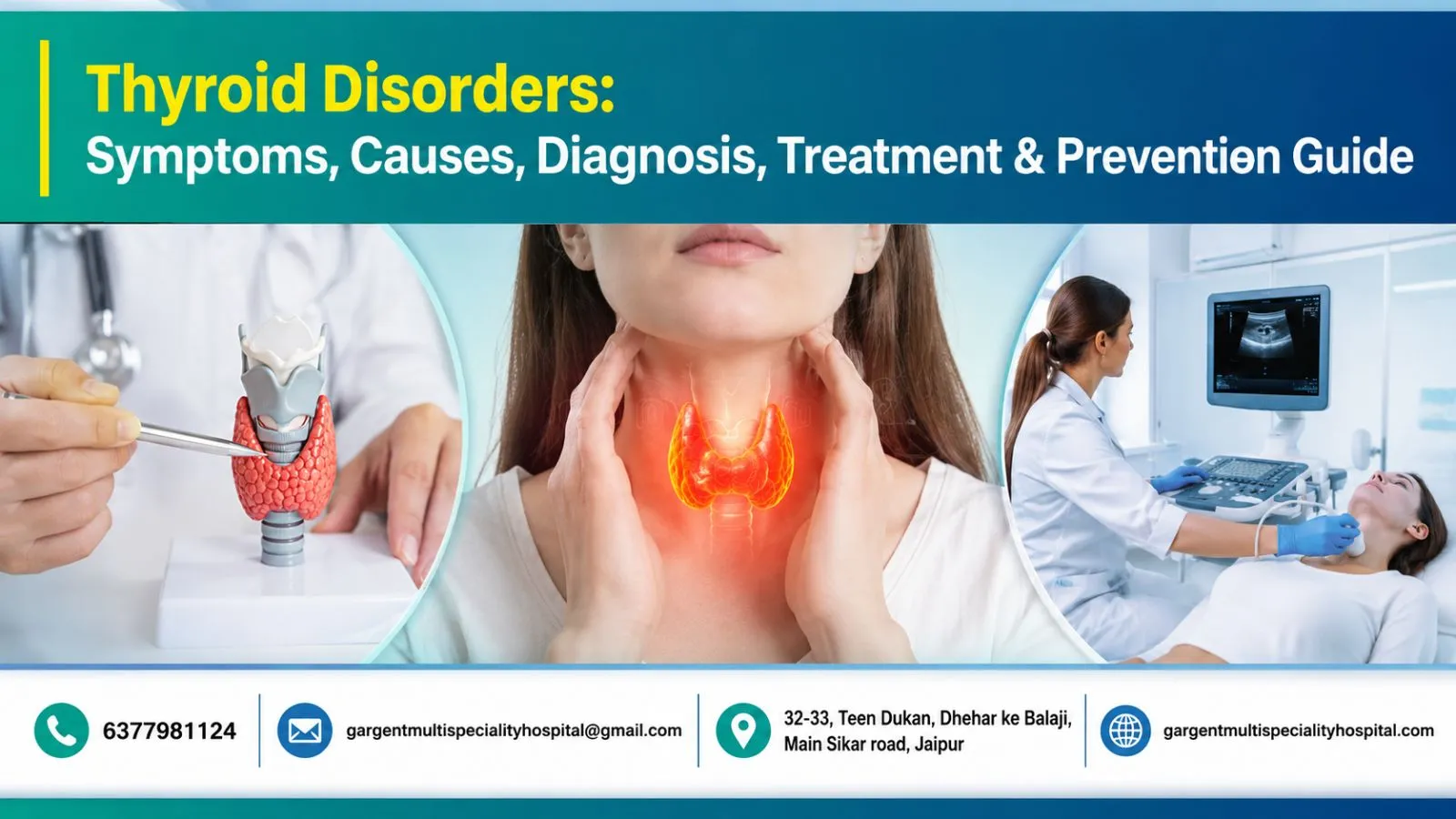
    Thyroid Disorders: Symptoms, Causes, Diagnosis, Treatment & Prevention Guide

    The thyroid gland plays a critical role in regulating metabolism, energy production, heart function, body temperature, and many other essential processes. When this small butterfly-shaped gland does not function properly, it can lead to various thyroid disorders that affect overall health and quality of life.

    Millions of people worldwide experience thyroid-related conditions, yet many remain undiagnosed because symptoms often develop gradually. Understanding the causes, warning signs, diagnosis methods, and treatment options can help individuals seek timely medical care and prevent complications. This comprehensive guide explains everything you need to know about thyroid health and the management of common thyroid conditions.

    What Are Thyroid Disorders and How Do They Affect Your Health?

    The thyroid gland is located at the front of the neck and produces hormones that influence nearly every organ system in the body. When hormone production becomes abnormal, various health issues can develop.

    Early identification and treatment are important because thyroid conditions can impact physical health, emotional well-being, and long-term metabolic function.

    Understanding the Role of the Thyroid Gland

    Many people wonder what is thyroid disorder and how it develops. A thyroid disorder occurs when the thyroid gland produces either too much or too little hormone, disrupting the body’s normal balance.

    The thyroid gland is responsible for producing:

    • Thyroxine (T4)
    • Triiodothyronine (T3)

    These hormones regulate:

    • Metabolism
    • Heart rate
    • Body temperature
    • Energy levels
    • Growth and development

    Healthy thyroid function is essential for maintaining overall wellness. Even small hormonal imbalances can lead to noticeable symptoms and health complications.

    Common Types of Thyroid Disorders

    Several different thyroid gland disorders can affect hormone production and thyroid function. Some conditions cause hormone deficiency, while others result in excessive hormone production.

    Common thyroid conditions include:

    • Hypothyroidism
    • Hyperthyroidism
    • Goiter
    • Thyroid nodules
    • Thyroiditis
    • Thyroid cancer

    Each condition affects the body differently and requires specific evaluation and treatment approaches. Early diagnosis improves outcomes and helps prevent long-term complications.

    How Thyroid Hormones Impact the Body

    The body’s metabolism depends heavily on healthy hormone levels. Thyroid hormone disorders can influence multiple organ systems and create a wide range of symptoms.

    Thyroid hormones help regulate:

    • Energy production
    • Digestive function
    • Brain activity
    • Muscle strength
    • Cardiovascular health

    When hormone levels become imbalanced, individuals may experience fatigue, weight changes, mood disturbances, and other health concerns. This is why regular monitoring is important for individuals at risk of thyroid disease.

    Common Symptoms and Warning Signs of Thyroid Disorders

    Symptoms vary depending on whether the thyroid gland is underactive or overactive. Because many symptoms overlap with other medical conditions, thyroid disorders are sometimes difficult to recognize without proper testing.

    Understanding the warning signs can help individuals seek medical evaluation before complications develop.

    Symptoms of an Underactive Thyroid (Hypothyroidism)

    Hypothyroidism occurs when the thyroid gland produces insufficient hormones. This condition slows many bodily functions and often develops gradually.

    Common thyroid disorder symptoms associated with hypothyroidism include:

    • Fatigue
    • Weight gain
    • Dry skin
    • Hair thinning
    • Constipation
    • Depression
    • Cold intolerance

    Some patients also experience memory problems, muscle weakness, and menstrual irregularities. Symptoms may become more noticeable as hormone levels continue to decline.

    Without treatment, hypothyroidism can significantly affect daily functioning and overall health.

    Symptoms of an Overactive Thyroid (Hyperthyroidism)

    Hyperthyroidism develops when the thyroid produces excessive hormones. This accelerates metabolic activity and may cause a variety of physical and emotional symptoms.

    Common signs include:

    • Unexplained weight loss
    • Rapid heartbeat
    • Excessive sweating
    • Anxiety
    • Tremors
    • Sleep disturbances
    • Increased appetite

    Individuals may also experience frequent bowel movements and heat intolerance. Because symptoms can mimic stress-related conditions, proper medical evaluation is essential for accurate diagnosis.

    When Thyroid Symptoms Require Medical Attention

    Not every symptom indicates a serious thyroid problem, but persistent changes should not be ignored.

    Seek medical evaluation if you experience:

    • Ongoing fatigue
    • Significant weight changes
    • Persistent neck swelling
    • Heart palpitations
    • Difficulty swallowing
    • Mood changes

    Early diagnosis allows healthcare providers to identify disorders of thyroid function before they lead to more severe complications. Prompt treatment can significantly improve long-term health outcomes.

    Diagnosing Thyroid Disorders: Tests and Evaluation Methods

    Accurate diagnosis requires a combination of clinical assessment and laboratory testing. Healthcare providers use several methods to evaluate thyroid function and identify underlying conditions.

    A thorough evaluation helps determine the most appropriate treatment strategy.

    Physical Examination and Medical History

    The diagnostic process usually begins with a detailed discussion of symptoms and medical history.

    Healthcare providers may assess:

    • Neck swelling
    • Thyroid enlargement
    • Heart rate
    • Weight changes
    • Family history of thyroid disease

    A physical examination can reveal important clues that guide further testing and evaluation.

    Patients should inform their doctor about any symptoms, medications, or family history that may influence thyroid health.

    Blood Tests Used to Assess Thyroid Function

    Blood testing remains one of the most effective methods for diagnosing thyroid conditions.

    Common thyroid blood tests include:

    • Thyroid-Stimulating Hormone (TSH)
    • Free T4
    • Free T3
    • Thyroid antibody tests

    These tests help determine whether the thyroid gland is producing hormones at normal levels.

    Blood tests are particularly valuable for detecting thyroid dysfunction before symptoms become severe. Regular monitoring may be recommended for individuals with known thyroid conditions.

    Imaging and Advanced Diagnostic Procedures

    In some situations, additional testing may be required to evaluate thyroid structure and identify abnormalities.

    Advanced diagnostic methods may include:

    • Thyroid ultrasound
    • Radioactive iodine uptake scan
    • Fine-needle aspiration biopsy
    • CT scans when necessary

    These procedures help assess nodules, enlargement, inflammation, and potential cancerous changes.

    Imaging studies provide important information that cannot be obtained through blood tests alone and may influence treatment decisions.

    Treatment and Prevention of Thyroid Disorders

    Effective treatment depends on the specific thyroid condition and its severity. Most thyroid disorders can be successfully managed with appropriate medical care and ongoing monitoring.

    Timely intervention helps reduce symptoms and prevent long-term health complications.

    Medical Treatments for Different Thyroid Conditions

    Treatment plans vary based on the diagnosis and individual patient needs.

    Common thyroid disorder treatment options include:

    • Thyroid hormone replacement therapy
    • Anti-thyroid medications
    • Radioactive iodine therapy
    • Surgical intervention
    • Ongoing hormone monitoring

    Patients with hypothyroidism often require lifelong hormone replacement, while hyperthyroidism may be managed through medication or other targeted treatments.

    Healthcare providers customize treatment plans to achieve optimal hormone balance and symptom control.

    Lifestyle Changes That Support Thyroid Health

    While lifestyle changes cannot cure thyroid disease, they can support overall health and complement medical treatment.

    Helpful habits include:

    • Eating a balanced diet
    • Maintaining a healthy weight
    • Managing stress
    • Exercising regularly
    • Getting sufficient sleep

    Proper nutrition supports hormone production and helps improve energy levels. Patients should discuss dietary concerns with healthcare professionals when managing thyroid conditions.

    A healthy lifestyle may also improve treatment outcomes and overall well-being.

    Tips for Preventing Thyroid-Related Complications

    Although not all thyroid conditions can be prevented, certain measures can reduce the risk of complications.

    Important prevention strategies include:

    • Regular health checkups
    • Following prescribed treatments
    • Monitoring hormone levels
    • Avoiding unnecessary medication changes
    • Reporting new symptoms promptly

    Effective management of thyroid disorders requires ongoing communication with healthcare providers and adherence to treatment recommendations.

    Early intervention often prevents complications involving the heart, bones, metabolism, and reproductive health.

    Conclusion

    Thyroid disorders can affect multiple aspects of physical and emotional health, often causing symptoms that develop gradually over time. Conditions such as hypothyroidism, hyperthyroidism, thyroiditis, and thyroid nodules require accurate diagnosis and individualized treatment to maintain healthy thyroid function.

    Understanding the warning signs, diagnostic methods, and available treatments can help individuals seek timely medical care. With proper monitoring, treatment, and lifestyle support, most people with thyroid conditions can lead healthy and active lives.

    If you experience persistent fatigue, unexplained weight changes, neck swelling, or other concerning symptoms, consult a healthcare professional for a comprehensive thyroid evaluation.

    FAQs

    1. What are the most common thyroid disorders?

    The most common thyroid disorders include hypothyroidism, hyperthyroidism, thyroid nodules, thyroiditis, and goiter.

    2. What causes thyroid disorders?

    Thyroid disorders may result from autoimmune diseases, genetic factors, iodine imbalance, infections, medications, or thyroid gland abnormalities.

    3. Can thyroid disorders be cured?

    Some thyroid conditions can be effectively treated and controlled, while others require long-term management and regular monitoring.

    4. How are thyroid disorders diagnosed?

    Diagnosis typically involves a physical examination, medical history review, blood tests, and imaging studies when necessary.

    5. When should I see a doctor for thyroid symptoms?

    You should seek medical evaluation if you experience persistent fatigue, unexplained weight changes, neck swelling, heart palpitations, or other ongoing thyroid-related symptoms.

  • Throat Pain When Swallowing: Causes, Symptoms, and When to See an ENT Specialist

    Experiencing throat pain when swallowing can be uncomfortable and sometimes alarming. While many cases result from common infections that improve within a few days, persistent or severe symptoms may indicate an underlying medical condition requiring professional attention.

    Swallowing involves the coordinated movement of muscles, nerves, and tissues in the throat. When inflammation, infection, or irritation affects these structures, pain can occur during swallowing. Understanding the causes, symptoms, and treatment options can help you take the right steps toward recovery and know when to consult an ENT specialist.

    What Causes Throat Pain When Swallowing?

    Several conditions can lead to discomfort during swallowing. The severity and duration of symptoms often depend on the underlying cause. Identifying the source of the problem is important because treatment varies based on whether the condition is caused by infection, irritation, or another health issue.

    Viral Infections and Common Colds

    One of the most common causes of throat pain while swallowing is a viral infection. Viruses responsible for the common cold, flu, or other respiratory illnesses can inflame the throat lining, making swallowing uncomfortable.

    Common signs of viral throat infections include:

    • Runny nose
    • Mild fever
    • Cough
    • Fatigue
    • Nasal congestion

    Most viral infections improve within a week with rest, hydration, and supportive care. However, symptoms that worsen or persist should be evaluated by a healthcare professional.

    Tonsillitis and Strep Throat

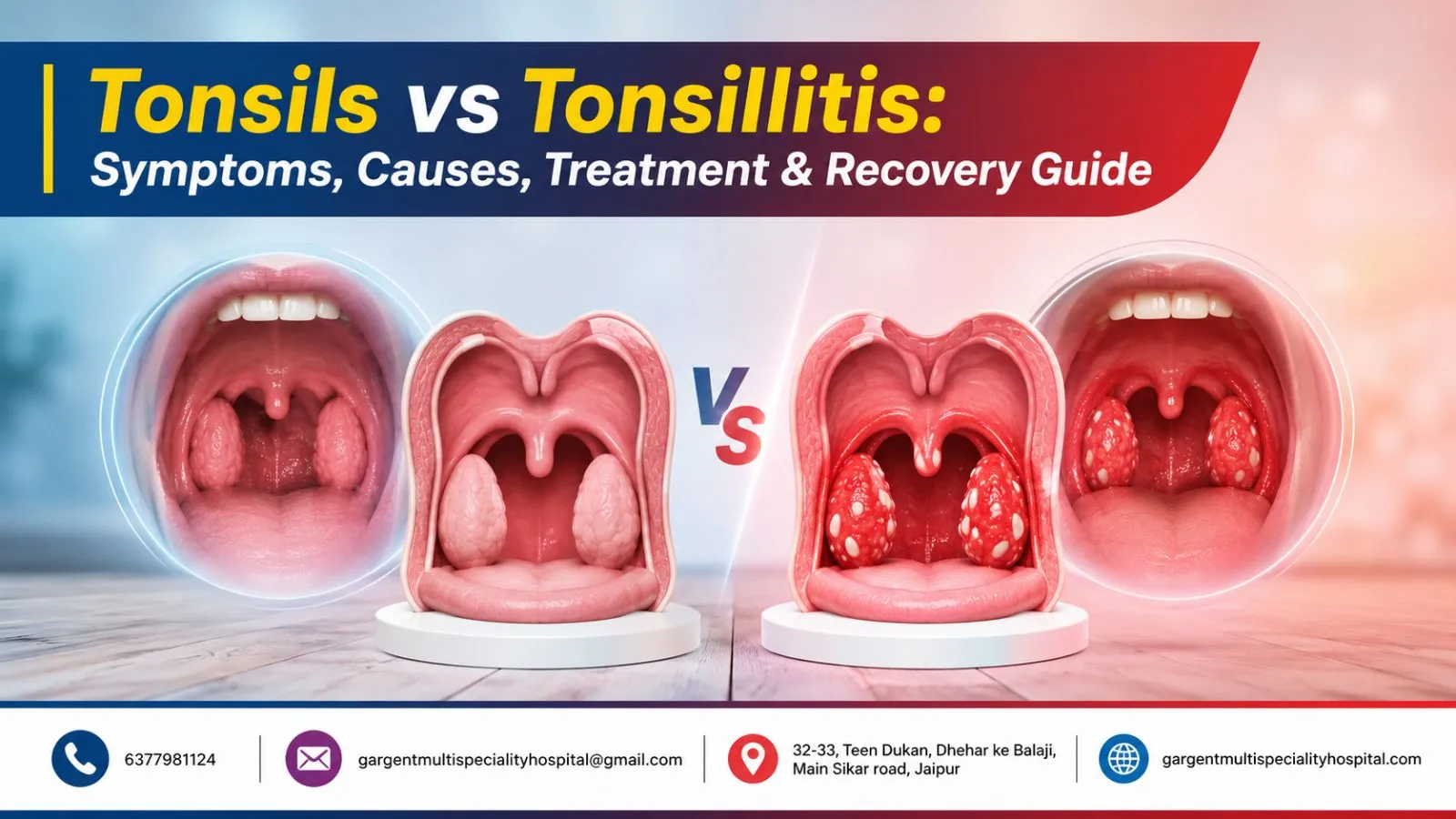
    Tonsillitis occurs when the tonsils become inflamed due to viral or bacterial infections. Strep throat, caused by Streptococcus bacteria, is another common reason for pain when swallowing.

    Symptoms often include:

    • Red and swollen tonsils
    • White patches on the throat
    • Fever
    • Bad breath
    • Tender lymph nodes

    Unlike viral infections, bacterial infections may require antibiotics to prevent complications and speed recovery. Early diagnosis helps ensure appropriate treatment.

    Acid Reflux and Throat Irritation

    Acid reflux is often overlooked as a cause of throat discomfort. When stomach acid flows back into the esophagus and throat, it can irritate the tissues and create a burning sensation.

    People experiencing reflux-related throat pain may notice:

    • Heartburn
    • Chronic cough
    • Sour taste in the mouth
    • Morning throat irritation
    • Frequent throat clearing

    Many patients who ask, why does my throat hurt when i swallow, may actually be dealing with untreated acid reflux rather than an infection.

    Common Symptoms That Accompany Painful Swallowing

    Painful swallowing rarely occurs alone. Additional symptoms often provide clues about the underlying condition. Paying attention to these signs can help determine whether medical evaluation is necessary.

    Fever and Swollen Tonsils

    Fever often indicates the body’s immune response to infection. When accompanied by enlarged tonsils, it may suggest viral or bacterial throat infections.

    Common symptoms include:

    • High body temperature
    • Throat redness
    • White spots on tonsils
    • Fatigue
    • Body aches

    If fever persists for several days or continues despite treatment, further medical evaluation may be needed to identify the cause.

    Hoarseness and Voice Changes

    Inflammation affecting the throat and vocal cords can result in hoarseness. Patients may notice their voice becoming weak, raspy, or strained.

    Voice changes can occur due to:

    • Viral infections
    • Laryngitis
    • Acid reflux
    • Excessive voice use
    • Vocal cord irritation

    Individuals experiencing throat hurts when i swallow along with prolonged hoarseness should consider consulting an ENT specialist, especially if symptoms persist beyond two weeks.

    Difficulty Eating and Drinking

    As throat inflammation increases, swallowing food and liquids may become more challenging. Some people avoid eating because of discomfort, which can affect nutrition and hydration.

    Warning signs include:

    • Pain with every swallow
    • Reduced appetite
    • Difficulty swallowing solid foods
    • Dehydration symptoms
    • Weight loss

    These symptoms should not be ignored, particularly when they interfere with daily activities or continue for an extended period.

    When Is Throat Pain While Swallowing a Serious Concern?

    Most sore throats improve with time and supportive care. However, certain symptoms may indicate a more serious condition that requires prompt medical attention.

    Recognizing these warning signs can help prevent complications and ensure timely treatment.

    Persistent Symptoms Lasting More Than a Week

    A typical viral sore throat often improves within several days. If symptoms continue beyond a week without improvement, additional evaluation may be necessary.

    Possible underlying causes include:

    • Chronic infections
    • Acid reflux disease
    • Allergies
    • Throat ulcers
    • Growths or tumors

    Persistent sore throat when swallowing should always be assessed by an ENT specialist to determine the underlying cause and recommend appropriate treatment.

    Difficulty Breathing or Severe Swelling

    Breathing difficulties associated with throat pain require immediate medical attention. Significant swelling in the throat can obstruct airflow and become a medical emergency.

    Seek urgent care if you experience:

    • Shortness of breath
    • Noisy breathing
    • Severe throat swelling
    • Inability to swallow saliva
    • Rapid symptom progression

    These symptoms may indicate serious infections, allergic reactions, or other conditions that require urgent intervention.

    Blood in Saliva or Unexplained Weight Loss

    Although uncommon, blood in saliva should never be ignored. It may indicate significant throat irritation, injury, infection, or more serious medical conditions.

    Other concerning symptoms include:

    • Unexplained weight loss
    • Persistent neck lumps
    • Chronic throat pain
    • Difficulty swallowing
    • Ongoing fatigue

    Patients experiencing throat pain during swallowing alongside these symptoms should seek medical evaluation as soon as possible.

    Diagnosis and Treatment Options for Painful Swallowing

    Accurate diagnosis is essential for effective treatment. An ENT specialist can identify the cause of throat pain and recommend the most appropriate management plan based on the patient’s symptoms and medical history.

    ENT Examination and Throat Assessment

    An ENT consultation typically begins with a detailed review of symptoms and a physical examination of the throat.

    The assessment may include:

    • Visual throat examination
    • Tonsil evaluation
    • Neck examination
    • Medical history review
    • Flexible endoscopy if required

    These diagnostic steps help identify infections, inflammation, structural abnormalities, or other conditions affecting the throat.

    At Garg ENT & Multispeciality Hospital, ENT specialists use advanced diagnostic methods to accurately evaluate throat-related concerns and provide personalized treatment recommendations.

    Medications and Infection Management

    Treatment depends on the underlying cause identified during evaluation.

    Common treatment approaches include:

    • Antibiotics for bacterial infections
    • Pain relievers
    • Anti-inflammatory medications
    • Antacid therapy for reflux
    • Hydration support

    Patients with bacterial infections often experience significant improvement within a few days after starting appropriate medication. Following the prescribed treatment plan is important for complete recovery.

    Lifestyle Changes for Faster Recovery

    Simple lifestyle adjustments can support healing and reduce throat irritation.

    Helpful measures include:

    • Drinking plenty of fluids
    • Avoiding smoking and tobacco
    • Limiting spicy foods during recovery
    • Using a humidifier
    • Getting adequate rest

    People experiencing recurrent pain while swallowing may also benefit from addressing underlying factors such as acid reflux, allergies, or environmental irritants.

    Early intervention and healthy lifestyle habits can reduce the risk of recurring throat problems and improve overall throat health.

    Conclusion

    Experiencing throat pain when swallowing can result from various conditions, ranging from common viral infections to more serious medical concerns. While many cases improve with home care and medication, persistent symptoms, breathing difficulties, or unexplained weight loss should never be ignored.

    Seeking timely evaluation from an ENT specialist can help identify the underlying cause and ensure effective treatment. If you are experiencing ongoing throat discomfort, the ENT team at Garg ENT & Multispeciality Hospital can provide comprehensive diagnosis and personalized care to support your recovery.

    FAQs

    1. What is the most common cause of throat pain when swallowing?

    Viral infections such as the common cold and flu are among the most common causes of throat pain during swallowing.

    2. Can acid reflux cause pain when swallowing?

    Yes. Acid reflux can irritate the throat lining and lead to discomfort, especially during swallowing.

    3. When should I see an ENT specialist for throat pain?

    You should consult an ENT specialist if symptoms persist for more than a week, worsen over time, or are accompanied by breathing difficulties.

    4. Is painful swallowing always caused by an infection?

    No. Painful swallowing can also result from acid reflux, allergies, throat injuries, or other medical conditions.

    5. How is throat pain when swallowing diagnosed?

    Diagnosis usually involves a physical examination, medical history review, and, in some cases, specialized ENT investigations to identify the underlying cause.

  • Snoring Treatment and Sleep Apnea Management: Advanced Solutions for Better Sleep

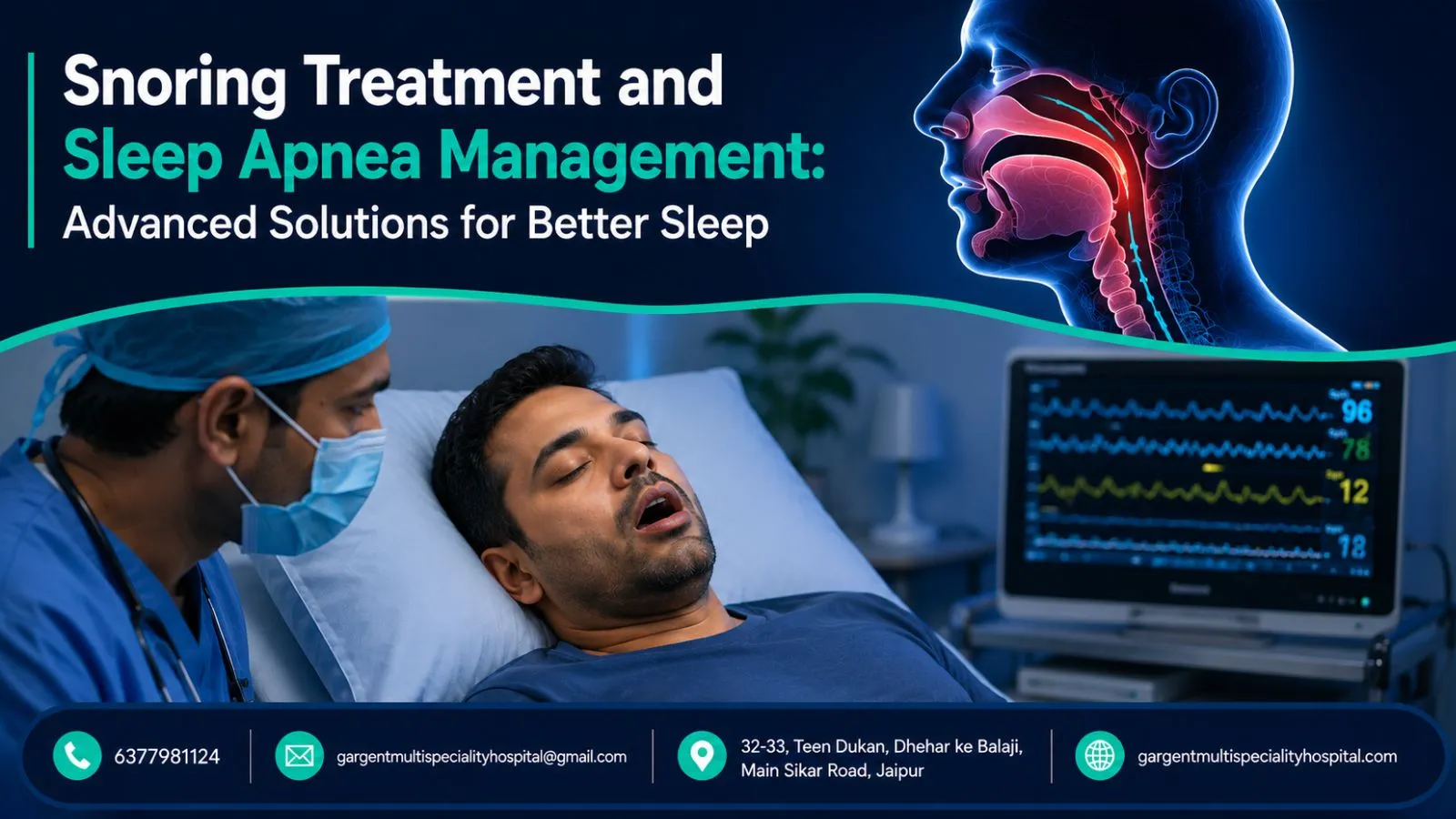
    Snoring Treatment and Sleep Apnea Management: Advanced Solutions for Better Sleep

    Snoring is one of the most common sleep-related conditions and occurs when airflow is partially obstructed during sleep, causing the tissues of the throat and airway to vibrate. While occasional snoring may not be a serious concern, persistent and loud snoring can indicate an underlying sleep disorder such as Obstructive Sleep Apnea (OSA).

    Many people consider snoring a simple nuisance, but untreated sleep-related breathing disorders can have a significant impact on overall health. Poor sleep quality, daytime fatigue, reduced concentration, breathing difficulties, and cardiovascular complications are some of the potential consequences of chronic snoring and sleep apnea.

    At Garg ENT Multispeciality Hospital, patients receive comprehensive evaluation and advanced treatment for snoring and sleep apnea under the guidance of Dr. Prateek Garg. Through modern diagnostic techniques and personalized treatment plans, patients can achieve better sleep, improved breathing, and enhanced quality of life.

    What is Snoring?

    Snoring occurs when airflow is partially blocked as it passes through the nose, mouth, or throat during sleep. The restricted airflow causes surrounding tissues to vibrate, producing the characteristic snoring sound.

    Although snoring can affect individuals of any age, certain factors increase the likelihood of developing the condition. In some cases, snoring may occur occasionally due to temporary nasal congestion or poor sleeping posture. However, persistent snoring often requires medical evaluation to identify the underlying cause.

    Common Causes of Snoring

    Several factors can contribute to airway narrowing during sleep, including:

    • Nasal blockage or congestion
    • Enlarged tonsils or adenoids
    • Obesity and excess neck tissue
    • Deviated nasal septum
    • Poor sleeping posture
    • Relaxation of throat muscles during sleep
    • Naturally narrow airway structures

    When snoring is accompanied by breathing interruptions, excessive daytime sleepiness, or poor sleep quality, it may be associated with Obstructive Sleep Apnea.

    Understanding Obstructive Sleep Apnea

    Obstructive Sleep Apnea (OSA) is a sleep disorder characterized by repeated episodes of partial or complete airway blockage during sleep. These interruptions can occur multiple times throughout the night, reducing oxygen levels and disrupting normal sleep patterns.

    Many patients with sleep apnea are unaware of the condition because the breathing interruptions occur while they are asleep. Family members often notice loud snoring, choking sounds, or pauses in breathing before the patient seeks medical attention.

    Common symptoms of sleep apnea include:

    • Loud and chronic snoring
    • Breathing pauses during sleep
    • Excessive daytime fatigue
    • Morning headaches
    • Poor concentration
    • Irritability and mood changes
    • Restless sleep

    Early diagnosis and treatment are essential to prevent long-term health complications.

    Clinical Scenario

    A patient visited Garg ENT Multispeciality Hospital with complaints of loud snoring, disturbed sleep, excessive daytime fatigue, and morning headaches. Family members also reported frequent pauses in breathing during sleep and noticeable sleep disturbances throughout the night.

    The symptoms had gradually worsened over time, affecting the patient’s daily routine, productivity, and overall quality of life. Due to the severity of the symptoms, a detailed ENT and sleep evaluation was recommended.

    Following a comprehensive assessment by Dr. Prateek Garg, the patient was diagnosed with severe Obstructive Sleep Apnea. A personalized treatment plan was then developed to address the underlying airway obstruction and improve sleep quality.

    Key Symptoms of Snoring and Sleep Apnea

    Recognizing the warning signs of sleep-disordered breathing is important for early intervention and effective treatment.

    Loud and Persistent Snoring

    Continuous loud snoring is one of the most common symptoms. It often disrupts sleep not only for the affected individual but also for family members and sleeping partners.

    Breathing Pauses During Sleep

    Repeated interruptions in breathing are a hallmark sign of sleep apnea. These pauses may last several seconds and can occur numerous times throughout the night.

    Daytime Fatigue and Sleepiness

    Poor sleep quality often leads to excessive daytime drowsiness, reduced concentration, and lower productivity. Many patients struggle with routine activities because of persistent fatigue.

    Nasal Blockage and Breathing Difficulties

    Structural issues within the nose or throat can contribute to airway narrowing and worsen snoring symptoms. Proper evaluation is necessary to identify any underlying anatomical problems.

    Diagnosis and Evaluation

    Accurate diagnosis is the foundation of successful treatment. At Garg ENT Multispeciality Hospital, patients undergo a detailed assessment to determine the cause and severity of their condition.

    Diagnostic Evaluation May Include

    • Comprehensive ENT examination
    • Airway assessment
    • Nasal and throat evaluation
    • Sleep study (Polysomnography)
    • Assessment of breathing patterns during sleep

    These investigations help specialists identify airway obstruction, confirm the presence of sleep apnea, and develop an appropriate treatment strategy.

    Sleep studies are particularly useful because they provide detailed information about oxygen levels, breathing interruptions, heart rate, and sleep quality throughout the night.

    Treatment Options for Snoring and Sleep Apnea

    Treatment depends on the severity of symptoms and the underlying cause of airway obstruction. A combination of lifestyle changes, medical therapies, and advanced procedures may be recommended.

    Lifestyle Modifications

    For mild cases, simple lifestyle adjustments can significantly improve symptoms and reduce snoring.

    Recommended measures include:

    • Weight management
    • Regular physical activity
    • Sleeping on the side instead of the back
    • Avoiding alcohol before bedtime
    • Smoking cessation
    • Maintaining healthy sleep habits

    These changes can help reduce airway collapse and improve overall sleep quality.

    CPAP and BiPAP Therapy

    Continuous Positive Airway Pressure (CPAP) therapy is considered one of the most effective treatments for moderate to severe sleep apnea.

    CPAP therapy works by delivering a continuous stream of air through a mask, helping keep the airway open during sleep.

    Benefits include:

    • Reduced snoring
    • Improved breathing
    • Better sleep quality
    • Increased daytime energy
    • Lower risk of sleep apnea complications

    In some cases, BiPAP therapy may be recommended depending on individual patient needs.

    Nasal and Airway Treatments

    Patients with nasal obstruction or structural airway problems may benefit from targeted treatments designed to improve airflow.

    These treatments may include:

    • Medical therapy
    • Nasal congestion management
    • Allergy treatment
    • Correction of structural abnormalities

    Improved nasal breathing often contributes to better sleep and reduced snoring.

    Advanced Surgical Treatment

    For patients with severe airway obstruction that does not respond adequately to conservative measures, surgical intervention may be considered.

    Surgical procedures may help:

    • Widen the airway
    • Correct anatomical abnormalities
    • Improve airflow during sleep
    • Reduce dependence on long-term therapy

    The treatment plan is individualized based on the patient’s anatomy and severity of symptoms.

    Why Choose Garg ENT Multispeciality Hospital?

    Managing snoring and sleep apnea requires specialized expertise and comprehensive evaluation. At Garg ENT Multispeciality Hospital, patients benefit from advanced diagnostic facilities and evidence-based treatment approaches.

    Key advantages include:

    • Experienced ENT specialist care
    • Advanced sleep disorder evaluation
    • Modern airway assessment techniques
    • Personalized treatment plans
    • Comprehensive follow-up care

    Under the guidance of Dr. Prateek Garg, patients receive focused treatment aimed at achieving long-term improvement in breathing and sleep quality.

    Duration and Recovery

    The treatment timeline varies depending on the chosen management approach.

    Typical Treatment Overview

    • Consultation Duration: 20–40 minutes
    • Sleep Study: Usually completed overnight
    • CPAP Adaptation: Gradual adjustment period
    • Surgical Recovery: Depends on the procedure performed

    Most patients notice gradual improvements in sleep quality, breathing patterns, and daytime energy levels following treatment.

    Benefits of Snoring Treatment

    Effective treatment offers several important health benefits that extend beyond reducing snoring sounds.

    Better Sleep Quality

    Patients experience deeper and more restful sleep, allowing the body to recover properly during the night.

    Improved Breathing

    Enhanced airflow reduces breathing interruptions and improves oxygen delivery throughout the body.

    Reduced Daytime Fatigue

    Better sleep contributes to increased energy levels, improved concentration, and greater productivity.

    Long-Term Health Benefits

    Managing sleep apnea can reduce the risk of complications associated with untreated breathing disorders, including cardiovascular problems and chronic fatigue.

    Conclusion

    Chronic snoring should never be ignored, especially when accompanied by breathing pauses, daytime fatigue, or poor sleep quality. These symptoms may indicate Obstructive Sleep Apnea, a condition that requires timely diagnosis and appropriate treatment.

    Modern treatment options, including lifestyle modification, CPAP therapy, airway management, and advanced surgical procedures, can significantly improve breathing and sleep quality. Early intervention not only relieves symptoms but also helps prevent long-term health complications.

    At Garg ENT Multispeciality Hospital, Dr. Prateek Garg provides comprehensive evaluation and personalized treatment solutions designed to help patients achieve healthier sleep, improved breathing, and a better quality of life.

    Frequently Asked Questions

    1. What is the most effective treatment for snoring?

    The best treatment depends on the underlying cause. Options may include lifestyle modifications, CPAP therapy, medical treatment, or surgical intervention.

    2. Is snoring always a sign of sleep apnea?

    No. While snoring is a common symptom of sleep apnea, not everyone who snores has the condition. A proper evaluation is necessary for diagnosis.

    3. How is sleep apnea diagnosed?

    Sleep apnea is typically diagnosed through a sleep study, which monitors breathing patterns, oxygen levels, and sleep quality during the night.

    4. Can sleep apnea be treated without surgery?

    Yes. Many patients successfully manage sleep apnea with CPAP therapy, lifestyle modifications, and medical treatment without requiring surgery.

    5. What happens if sleep apnea is left untreated?

    Untreated sleep apnea may contribute to chronic fatigue, poor concentration, high blood pressure, heart disease, and reduced quality of life.