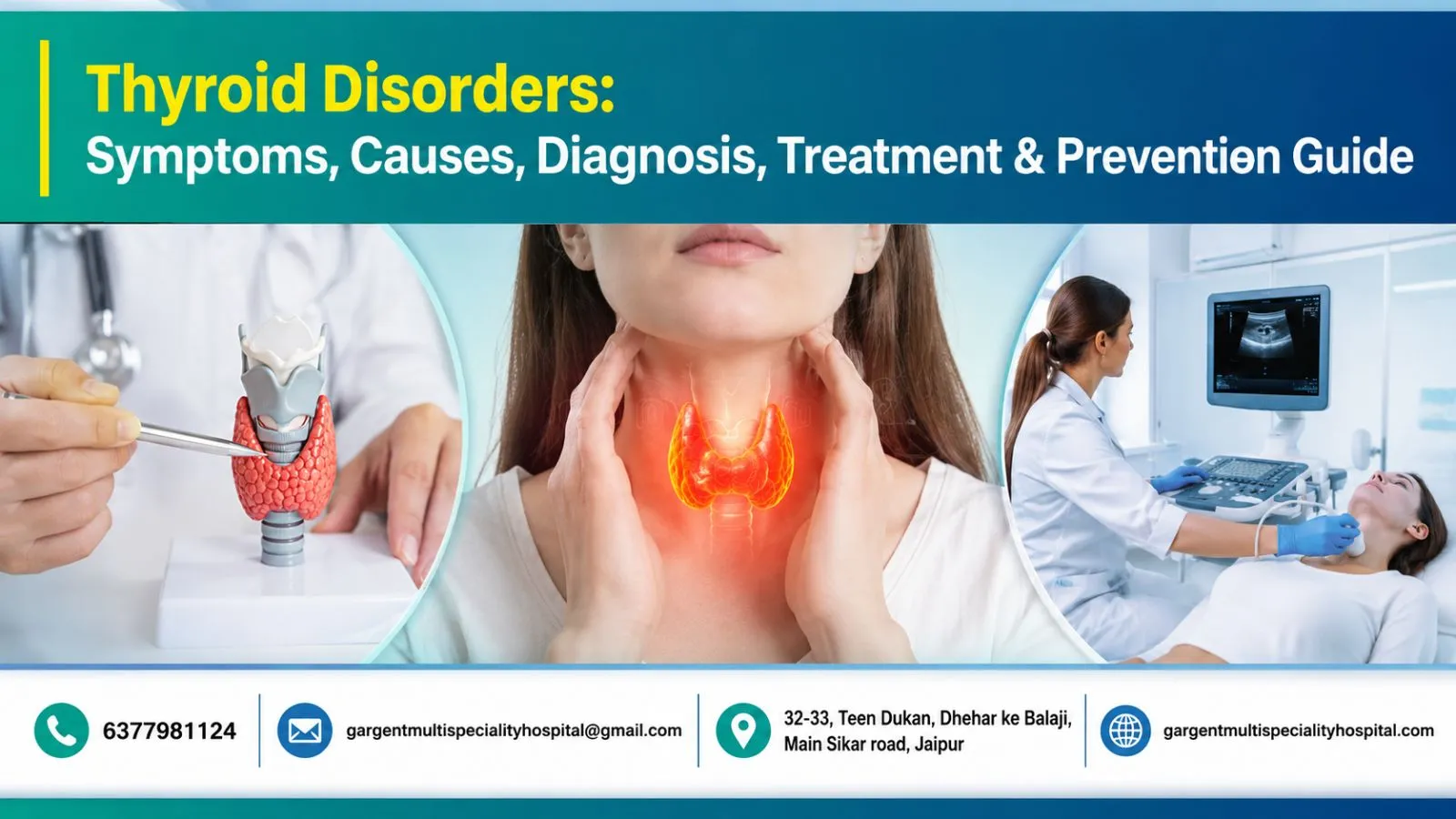
The thyroid gland plays a critical role in regulating metabolism, energy production, heart function, body temperature, and many other essential processes. When this small butterfly-shaped gland does not function properly, it can lead to various thyroid disorders that affect overall health and quality of life.
Millions of people worldwide experience thyroid-related conditions, yet many remain undiagnosed because symptoms often develop gradually. Understanding the causes, warning signs, diagnosis methods, and treatment options can help individuals seek timely medical care and prevent complications. This comprehensive guide explains everything you need to know about thyroid health and the management of common thyroid conditions.
What Are Thyroid Disorders and How Do They Affect Your Health?
The thyroid gland is located at the front of the neck and produces hormones that influence nearly every organ system in the body. When hormone production becomes abnormal, various health issues can develop.
Early identification and treatment are important because thyroid conditions can impact physical health, emotional well-being, and long-term metabolic function.
Understanding the Role of the Thyroid Gland
Many people wonder what is thyroid disorder and how it develops. A thyroid disorder occurs when the thyroid gland produces either too much or too little hormone, disrupting the body’s normal balance.
The thyroid gland is responsible for producing:
- Thyroxine (T4)
- Triiodothyronine (T3)
These hormones regulate:
- Metabolism
- Heart rate
- Body temperature
- Energy levels
- Growth and development
Healthy thyroid function is essential for maintaining overall wellness. Even small hormonal imbalances can lead to noticeable symptoms and health complications.
Common Types of Thyroid Disorders
Several different thyroid gland disorders can affect hormone production and thyroid function. Some conditions cause hormone deficiency, while others result in excessive hormone production.
Common thyroid conditions include:
- Hypothyroidism
- Hyperthyroidism
- Goiter
- Thyroid nodules
- Thyroiditis
- Thyroid cancer
Each condition affects the body differently and requires specific evaluation and treatment approaches. Early diagnosis improves outcomes and helps prevent long-term complications.
How Thyroid Hormones Impact the Body
The body’s metabolism depends heavily on healthy hormone levels. Thyroid hormone disorders can influence multiple organ systems and create a wide range of symptoms.
Thyroid hormones help regulate:
- Energy production
- Digestive function
- Brain activity
- Muscle strength
- Cardiovascular health
When hormone levels become imbalanced, individuals may experience fatigue, weight changes, mood disturbances, and other health concerns. This is why regular monitoring is important for individuals at risk of thyroid disease.
Common Symptoms and Warning Signs of Thyroid Disorders
Symptoms vary depending on whether the thyroid gland is underactive or overactive. Because many symptoms overlap with other medical conditions, thyroid disorders are sometimes difficult to recognize without proper testing.
Understanding the warning signs can help individuals seek medical evaluation before complications develop.
Symptoms of an Underactive Thyroid (Hypothyroidism)
Hypothyroidism occurs when the thyroid gland produces insufficient hormones. This condition slows many bodily functions and often develops gradually.
Common thyroid disorder symptoms associated with hypothyroidism include:
- Fatigue
- Weight gain
- Dry skin
- Hair thinning
- Constipation
- Depression
- Cold intolerance
Some patients also experience memory problems, muscle weakness, and menstrual irregularities. Symptoms may become more noticeable as hormone levels continue to decline.
Without treatment, hypothyroidism can significantly affect daily functioning and overall health.
Symptoms of an Overactive Thyroid (Hyperthyroidism)
Hyperthyroidism develops when the thyroid produces excessive hormones. This accelerates metabolic activity and may cause a variety of physical and emotional symptoms.
Common signs include:
- Unexplained weight loss
- Rapid heartbeat
- Excessive sweating
- Anxiety
- Tremors
- Sleep disturbances
- Increased appetite
Individuals may also experience frequent bowel movements and heat intolerance. Because symptoms can mimic stress-related conditions, proper medical evaluation is essential for accurate diagnosis.
When Thyroid Symptoms Require Medical Attention
Not every symptom indicates a serious thyroid problem, but persistent changes should not be ignored.
Seek medical evaluation if you experience:
- Ongoing fatigue
- Significant weight changes
- Persistent neck swelling
- Heart palpitations
- Difficulty swallowing
- Mood changes
Early diagnosis allows healthcare providers to identify disorders of thyroid function before they lead to more severe complications. Prompt treatment can significantly improve long-term health outcomes.
Diagnosing Thyroid Disorders: Tests and Evaluation Methods
Accurate diagnosis requires a combination of clinical assessment and laboratory testing. Healthcare providers use several methods to evaluate thyroid function and identify underlying conditions.
A thorough evaluation helps determine the most appropriate treatment strategy.
Physical Examination and Medical History
The diagnostic process usually begins with a detailed discussion of symptoms and medical history.
Healthcare providers may assess:
- Neck swelling
- Thyroid enlargement
- Heart rate
- Weight changes
- Family history of thyroid disease
A physical examination can reveal important clues that guide further testing and evaluation.
Patients should inform their doctor about any symptoms, medications, or family history that may influence thyroid health.
Blood Tests Used to Assess Thyroid Function
Blood testing remains one of the most effective methods for diagnosing thyroid conditions.
Common thyroid blood tests include:
- Thyroid-Stimulating Hormone (TSH)
- Free T4
- Free T3
- Thyroid antibody tests
These tests help determine whether the thyroid gland is producing hormones at normal levels.
Blood tests are particularly valuable for detecting thyroid dysfunction before symptoms become severe. Regular monitoring may be recommended for individuals with known thyroid conditions.
Imaging and Advanced Diagnostic Procedures
In some situations, additional testing may be required to evaluate thyroid structure and identify abnormalities.
Advanced diagnostic methods may include:
- Thyroid ultrasound
- Radioactive iodine uptake scan
- Fine-needle aspiration biopsy
- CT scans when necessary
These procedures help assess nodules, enlargement, inflammation, and potential cancerous changes.
Imaging studies provide important information that cannot be obtained through blood tests alone and may influence treatment decisions.
Treatment and Prevention of Thyroid Disorders
Effective treatment depends on the specific thyroid condition and its severity. Most thyroid disorders can be successfully managed with appropriate medical care and ongoing monitoring.
Timely intervention helps reduce symptoms and prevent long-term health complications.
Medical Treatments for Different Thyroid Conditions
Treatment plans vary based on the diagnosis and individual patient needs.
Common thyroid disorder treatment options include:
- Thyroid hormone replacement therapy
- Anti-thyroid medications
- Radioactive iodine therapy
- Surgical intervention
- Ongoing hormone monitoring
Patients with hypothyroidism often require lifelong hormone replacement, while hyperthyroidism may be managed through medication or other targeted treatments.
Healthcare providers customize treatment plans to achieve optimal hormone balance and symptom control.
Lifestyle Changes That Support Thyroid Health
While lifestyle changes cannot cure thyroid disease, they can support overall health and complement medical treatment.
Helpful habits include:
- Eating a balanced diet
- Maintaining a healthy weight
- Managing stress
- Exercising regularly
- Getting sufficient sleep
Proper nutrition supports hormone production and helps improve energy levels. Patients should discuss dietary concerns with healthcare professionals when managing thyroid conditions.
A healthy lifestyle may also improve treatment outcomes and overall well-being.
Tips for Preventing Thyroid-Related Complications
Although not all thyroid conditions can be prevented, certain measures can reduce the risk of complications.
Important prevention strategies include:
- Regular health checkups
- Following prescribed treatments
- Monitoring hormone levels
- Avoiding unnecessary medication changes
- Reporting new symptoms promptly
Effective management of thyroid disorders requires ongoing communication with healthcare providers and adherence to treatment recommendations.
Early intervention often prevents complications involving the heart, bones, metabolism, and reproductive health.
Conclusion
Thyroid disorders can affect multiple aspects of physical and emotional health, often causing symptoms that develop gradually over time. Conditions such as hypothyroidism, hyperthyroidism, thyroiditis, and thyroid nodules require accurate diagnosis and individualized treatment to maintain healthy thyroid function.
Understanding the warning signs, diagnostic methods, and available treatments can help individuals seek timely medical care. With proper monitoring, treatment, and lifestyle support, most people with thyroid conditions can lead healthy and active lives.
If you experience persistent fatigue, unexplained weight changes, neck swelling, or other concerning symptoms, consult a healthcare professional for a comprehensive thyroid evaluation.
FAQs
1. What are the most common thyroid disorders?
The most common thyroid disorders include hypothyroidism, hyperthyroidism, thyroid nodules, thyroiditis, and goiter.
2. What causes thyroid disorders?
Thyroid disorders may result from autoimmune diseases, genetic factors, iodine imbalance, infections, medications, or thyroid gland abnormalities.
3. Can thyroid disorders be cured?
Some thyroid conditions can be effectively treated and controlled, while others require long-term management and regular monitoring.
4. How are thyroid disorders diagnosed?
Diagnosis typically involves a physical examination, medical history review, blood tests, and imaging studies when necessary.
5. When should I see a doctor for thyroid symptoms?
You should seek medical evaluation if you experience persistent fatigue, unexplained weight changes, neck swelling, heart palpitations, or other ongoing thyroid-related symptoms.