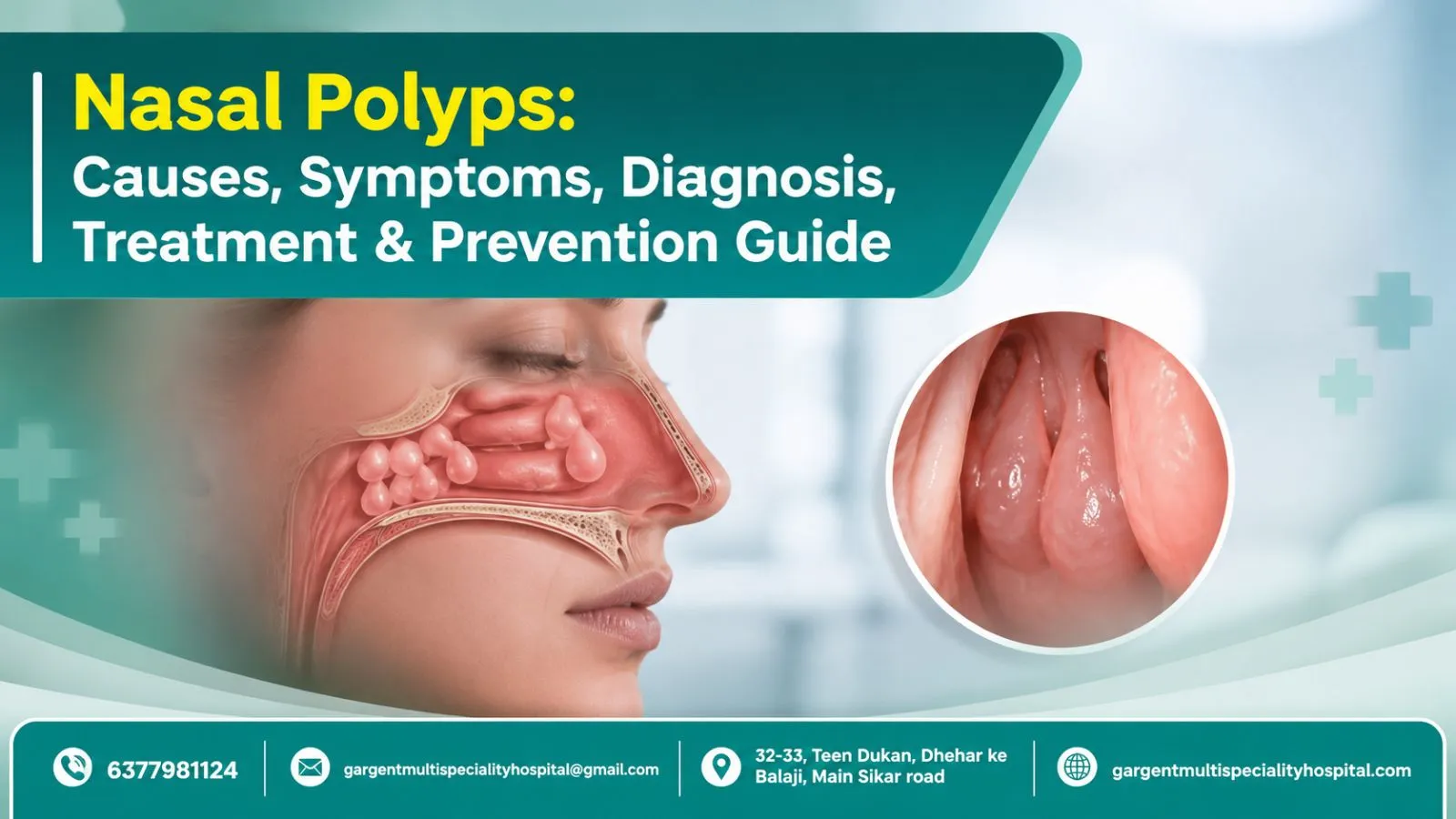
Breathing comfortably through the nose is essential for good health, but certain conditions can gradually block the nasal passages and affect daily life. One of the most common non-cancerous growths inside the nose is nasal polyps. These soft, painless growths develop due to long-term inflammation and can interfere with breathing, sleep, smell, and overall quality of life.
Many people ignore early symptoms because they resemble allergies or a common cold. However, untreated nasal polyps may become larger over time, leading to persistent nasal blockage, recurrent sinus infections, and difficulty sleeping. Understanding their causes, symptoms, diagnosis, and treatment options helps patients seek timely medical care and prevent complications.
What Are Nasal Polyps and Why Do They Develop?
Nasal polyps are soft, jelly-like growths that develop on the lining of the nasal passages or sinuses. They are usually non-cancerous and often occur in both nostrils. Small polyps may not produce noticeable symptoms, but larger or multiple polyps can block airflow and affect normal sinus drainage.
These growths develop because of chronic inflammation rather than infection alone. Conditions such as allergies, asthma, chronic sinusitis, and immune disorders can increase the likelihood of developing nasal polyps.
Nasal Polyps Meaning and Definition
Many patients ask, what are nasal polyps before visiting an ENT specialist. In simple terms, nasal polyps are benign growths that arise from the inflamed mucosal lining of the nose and paranasal sinuses.
The nasal polyps meaning refers to soft tissue swellings caused by long-term inflammation. Similarly, the nasal polyps definition describes them as non-cancerous inflammatory growths that interfere with normal airflow and sinus function.
Unlike tumors, nasal polyps usually do not spread to other organs. However, they can enlarge gradually and significantly affect breathing if left untreated.
How Nasal Polyps Form Inside the Nasal Cavity
The inside of the nose is lined with a moist membrane that protects against dust, allergens, and microorganisms. Continuous inflammation causes this lining to swell over time.
Eventually, gravity and prolonged swelling cause the inflamed tissue to hang down like small grape-shaped sacs. These are known as nasal polyps.
Initially, patients may not notice any symptoms. As polyps enlarge, they begin blocking the nasal passages and prevent normal mucus drainage, increasing the risk of sinus infections.
Who Is Most at Risk of Developing Nasal Polyps?
Although anyone can develop nasal polyps, certain individuals have a higher risk.
Common risk factors include:
- Chronic sinus infections
- Allergic rhinitis
- Asthma
- Aspirin sensitivity
- Cystic fibrosis
- Family history
- Environmental pollution
Adults above the age of 40 are more commonly affected, although younger individuals with chronic inflammatory conditions can also develop nasal polyps.
Early evaluation by an ENT specialist is recommended for patients with persistent nasal symptoms lasting several weeks.
Common Causes and Symptoms of Nasal Polyps
The exact cause remains unclear, but medical research shows that long-term inflammation is the primary factor behind nasal polyp formation. Understanding the causes and recognizing early symptoms helps prevent progression and complications.
What Causes Nasal Polyps?
Several medical conditions contribute to chronic nasal inflammation.
The most common nasal polyps causes include:
- Chronic rhinosinusitis
- Seasonal allergies
- Asthma
- Aspirin-exacerbated respiratory disease
- Fungal sinus infections
- Immune system disorders
For example, patients with poorly controlled allergies may experience repeated inflammation inside the nose, increasing the likelihood of polyp formation over time.
Managing these underlying conditions plays an important role in preventing recurrence after treatment.
Early Warning Signs You Should Not Ignore
The early stages of nasal polyps often resemble allergies or sinus infections, making diagnosis difficult without medical examination.
Common nasal polyps symptoms include:
- Persistent nasal blockage
- Runny nose
- Postnasal drip
- Reduced sense of smell
- Frequent sneezing
- Facial pressure
- Headaches
Some patients notice that medications for allergies provide only temporary relief. Persistent symptoms lasting more than 10–12 weeks should always be evaluated by an ENT specialist.
When Nasal Polyps Start Affecting Breathing and Sleep
As polyps become larger, they obstruct airflow through the nose.
Patients may experience:
- Difficulty breathing through the nose
- Mouth breathing
- Snoring
- Disturbed sleep
- Daytime fatigue
- Reduced concentration
In severe cases, patients may develop obstructive sleep problems because airflow becomes significantly restricted during the night.
Prompt treatment improves breathing, sleep quality, and overall quality of life.
How ENT Specialists Diagnose Nasal Polyps
Diagnosis usually begins with a detailed medical history followed by physical examination. ENT specialists assess nasal obstruction, allergy history, sinus infections, and previous treatments before recommending investigations.
Accurate diagnosis helps determine both the severity of the condition and the most appropriate treatment plan.
Nasal Endoscopy Examination
Nasal endoscopy is considered the gold standard for evaluating nasal polyps.
During the procedure, a thin flexible endoscope with a camera is inserted into the nose.
This allows the ENT specialist to examine:
- Nasal cavity
- Sinus openings
- Polyp size
- Degree of obstruction
- Signs of infection
The examination is generally quick, minimally uncomfortable, and performed in the outpatient clinic.
It provides valuable information that cannot be obtained through routine examination alone.
CT Scan for Nasal Polyps
A CT scan is recommended when surgery is being considered or when extensive sinus disease is suspected.
CT imaging helps evaluate:
- Polyp location
- Sinus involvement
- Bone anatomy
- Disease severity
- Surgical planning
The scan also helps differentiate nasal polyps from other conditions that may produce similar symptoms.
This imaging technique plays an important role in planning advanced treatment strategies.
Differential Diagnosis and Grading of Nasal Polyps
ENT specialists also rule out other possible causes of nasal obstruction.
Conditions that may resemble nasal polyps include:
- Deviated nasal septum
- Enlarged turbinates
- Benign tumors
- Rare nasal cancers
- Chronic fungal infections
Polyps are graded according to their size and the degree of nasal obstruction.
Accurate grading helps determine whether medical management alone is sufficient or whether surgical treatment should be considered.
Best Treatment Options for Nasal Polyps
The choice of treatment depends on the size of the polyps, symptom severity, and underlying medical conditions. Most patients begin with medications before surgery is considered.
Early treatment often reduces symptoms and delays disease progression.
Medications and Nasal Sprays
The first line of nasal polyps treatment usually includes corticosteroid nasal sprays that reduce inflammation and shrink small polyps.
Other medications may include:
- Oral corticosteroids
- Saline nasal irrigation
- Antihistamines
- Antibiotics (if infection is present)
- Biologic medications for selected patients
Regular follow-up ensures that treatment remains effective while minimizing recurrence.
Treatment Without Surgery
Many patients improve without surgery when inflammation is controlled early.
Lifestyle measures include:
- Allergy management
- Avoiding smoke exposure
- Using saline nasal rinses
- Managing asthma effectively
- Treating chronic sinus infections promptly
These measures help reduce inflammation and improve long-term symptom control.
When Nasal Polyp Surgery Becomes Necessary
Surgery is recommended when medications fail to control symptoms or when large polyps cause significant nasal obstruction.
Endoscopic sinus surgery removes polyps while preserving healthy surrounding tissue.
Patients usually experience:
- Improved nasal breathing
- Better sense of smell
- Reduced sinus infections
- Improved sleep quality
Although surgery provides excellent symptom relief, ongoing medical therapy and regular ENT follow-up remain important because nasal polyps can recur, particularly in patients with chronic inflammatory conditions.
Conclusion
Nasal polyps are a common ENT condition that can significantly affect breathing, sleep, and overall quality of life if left untreated. Although these soft, non-cancerous growths often develop due to chronic inflammation, early diagnosis and proper treatment can effectively control symptoms and reduce the risk of recurrence.
Patients who experience persistent nasal blockage, reduced sense of smell, frequent sinus infections, or difficulty breathing should not ignore these warning signs. Consulting an ENT specialist at an early stage allows for accurate diagnosis through nasal endoscopy or imaging and helps determine the most suitable treatment plan.
With advancements in medications, minimally invasive endoscopic surgery, and long-term management strategies, most people with nasal polyps can achieve lasting symptom relief. Managing allergies, controlling asthma, avoiding environmental irritants, and attending regular follow-up appointments also play an important role in preventing future complications.
Seeking timely medical attention is the best way to protect your nasal health and maintain comfortable breathing throughout daily life.
FAQs
1. What are nasal polyps?
Nasal polyps are soft, painless, non-cancerous growths that develop on the lining of the nose or sinuses due to long-term inflammation. Small polyps may not cause symptoms, while larger ones can block the nasal passages and affect breathing.
2. What causes nasal polyps?
Common causes include chronic sinusitis, allergies, asthma, aspirin sensitivity, immune disorders, and chronic inflammation of the nasal lining. These conditions increase the likelihood of developing nasal polyps over time.
3. Can nasal polyps go away without surgery?
Yes. Small nasal polyps often respond well to corticosteroid nasal sprays, oral medications, saline irrigation, and treatment of underlying allergies or sinus infections. Surgery is usually recommended only when medical treatment fails.
4. How are nasal polyps diagnosed?
ENT specialists diagnose nasal polyps using a medical history, physical examination, nasal endoscopy, and, if necessary, a CT scan. These tests help determine the size, location, and severity of the polyps.
5. Can nasal polyps come back after treatment?
Yes. Nasal polyps can recur, especially in people with chronic allergies, asthma, or long-term sinus inflammation. Regular follow-up with an ENT specialist, proper medication use, and management of underlying conditions help reduce the risk of recurrence.