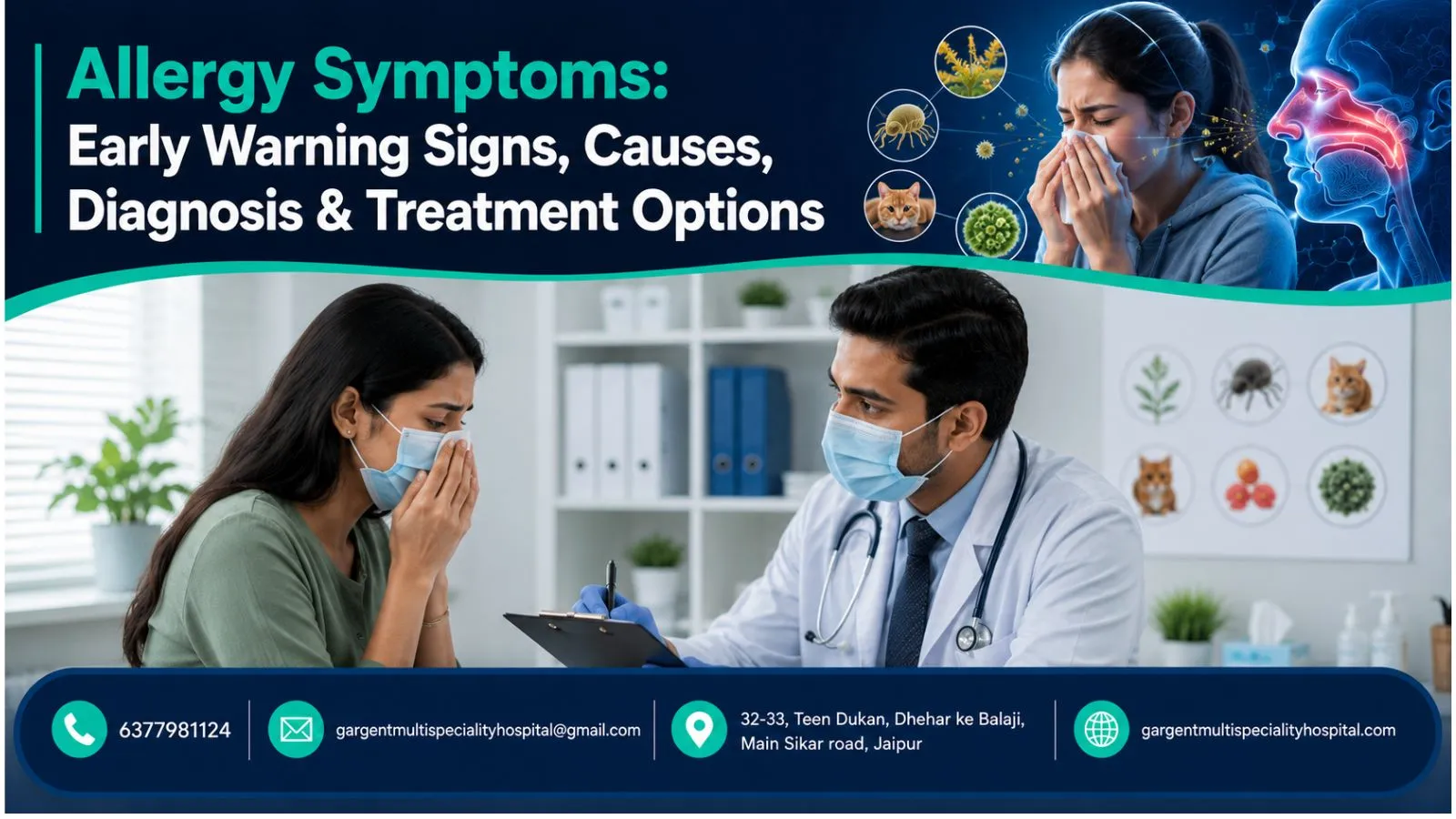
Allergies affect millions of people worldwide and can influence daily comfort, productivity, and overall health. Many individuals experience recurring reactions without fully understanding their source. A common question asked by patients is what is allergy and why it develops in some people but not others.
An allergy occurs when the immune system reacts to a normally harmless substance as if it were dangerous. These reactions can range from mild irritation to life-threatening emergencies. Understanding the warning signs, possible triggers, and available management options can help people take timely action and avoid complications.
What Are Allergy Symptoms?
Allergies can affect different parts of the body, including the nose, lungs, skin, eyes, and digestive system. Reactions may appear immediately after exposure to a trigger or develop gradually over several hours. The severity of symptoms often depends on individual sensitivity, environmental factors, and the amount of exposure. Recognizing early warning signs is important because prompt identification often leads to faster diagnosis and more effective management.
How Allergies Affect the Immune System
The immune system is designed to protect the body from harmful bacteria, viruses, and other threats. In people with allergies, the immune system mistakenly identifies harmless substances such as pollen, pet dander, or certain foods as dangerous invaders.
When exposure occurs, the body releases chemicals including histamine. These chemicals create inflammation and trigger reactions throughout the body. This process explains why some people experience sneezing, itching, watery eyes, or skin irritation after coming into contact with a specific trigger.
Common Triggers Behind Allergic Reactions
Understanding triggers is one of the most important steps in managing allergies. Common triggers include pollen, dust mites, mold spores, animal dander, insect stings, medications, and specific foods such as peanuts, shellfish, or dairy products.
Healthcare professionals often evaluate different allergy types before recommending a treatment plan. Identifying possible allergy causes helps reduce exposure and lowers the likelihood of repeated reactions. Seasonal pollen levels, indoor air quality, and occupational exposure are among the factors that can significantly influence symptoms.
Why Symptoms Vary From Person to Person
Not everyone experiences allergies in the same way. Some individuals develop mild nasal congestion, while others experience widespread skin reactions or breathing difficulties. Genetics, age, environmental exposure, and overall health all contribute to symptom variation.
For example, two people exposed to the same amount of pollen may react differently. One may experience occasional discomfort, while the other could require medical intervention. This difference highlights the importance of personalized evaluation and monitoring.
Most Common Allergy Symptoms You Should Not Ignore
Recognizing early warning signs can prevent symptoms from becoming more severe. While some reactions appear minor at first, persistent or worsening symptoms may indicate an underlying allergic condition that requires professional attention. Monitoring changes in frequency, intensity, and duration can help healthcare providers identify patterns and determine the most appropriate management strategy.
Sneezing, Runny Nose & Nasal Congestion
Nasal symptoms are among the most common allergic reactions. Frequent sneezing, a runny nose, and persistent congestion can affect sleep quality, concentration, and overall well-being.
These symptoms are particularly common during seasonal pollen peaks. Many people initially mistake them for a common cold. However, allergies often persist longer and may occur repeatedly under similar environmental conditions.
Common nasal complaints include:
- Repeated sneezing episodes
- Clear nasal discharge
- Blocked or stuffy nose
- Postnasal drip
- Reduced sense of smell
Skin Rashes, Itching & Hives
Skin reactions often occur when the body responds to an allergen through inflammation. These reactions may appear as redness, itching, swelling, eczema flare-ups, or raised welts known as hives.
Food allergies, medication reactions, and contact with certain chemicals frequently contribute to skin-related issues. In some cases, symptoms disappear within hours, while others may continue for days. Persistent skin irritation should always be evaluated to identify the underlying trigger.
Eye Redness, Watering & Irritation
Allergies commonly affect the eyes, especially during seasonal changes. Exposure to pollen, dust, or pet dander may cause redness, excessive tearing, itching, and sensitivity.
People who spend extended periods outdoors during high-pollen seasons often report increased eye discomfort. Protective eyewear, regular hand washing, and reducing exposure to known triggers can help minimize irritation and improve comfort.
When Allergy Symptoms Become Serious
Although many allergic reactions are mild, some situations require urgent medical attention. Understanding the warning signs of severe reactions can help individuals respond quickly and reduce potential complications. Delaying treatment during a serious reaction may increase health risks and lead to life-threatening consequences. Awareness and preparedness are essential components of allergy management.
Signs of Severe Allergic Reactions
Severe allergic reactions often involve multiple body systems simultaneously. Symptoms may develop rapidly and worsen within minutes.
Warning signs include:
- Difficulty breathing
- Swelling of the lips or tongue
- Wheezing
- Rapid heartbeat
- Severe dizziness
- Sudden drop in blood pressure
Any combination of these symptoms should be treated as a medical emergency. Immediate intervention can significantly improve outcomes and reduce complications.
Understanding Anaphylaxis
Anaphylaxis is the most serious form of allergic reaction. It can occur after exposure to foods, medications, insect stings, or other allergens. The condition progresses rapidly and requires emergency treatment.
A real-world example involves individuals with severe peanut allergies who may experience throat swelling within minutes of accidental exposure. Because reactions can escalate quickly, patients at risk are often advised to carry emergency medication and follow a personalized action plan provided by healthcare professionals.
When to Visit an Allergy Specialist
Persistent reactions, unclear triggers, or recurring symptoms should not be ignored. Consulting an allergy specialist can help identify the root cause of symptoms and improve long-term management.
Specialists use detailed medical histories, diagnostic testing, and exposure assessments to create personalized care plans. Individuals who experience recurring respiratory issues, chronic skin problems, or suspected food allergies may benefit significantly from specialist evaluation.
Diagnosis and Treatment for Allergies
Accurate diagnosis is essential for effective allergy management. Identifying triggers allows patients to make informed lifestyle changes and receive targeted therapies. Modern medical advances have improved both diagnostic accuracy and treatment outcomes, making it easier for individuals to control allergic conditions and maintain a better quality of life.
Allergy Testing Methods
Healthcare providers use several methods to confirm allergic conditions. Common testing approaches include skin prick testing, blood tests, elimination diets, and supervised challenge tests.
An experienced allergy doctor evaluates symptoms, medical history, and environmental factors before selecting appropriate tests. Accurate diagnosis reduces guesswork and helps patients focus on proven management strategies rather than trial-and-error approaches.
Medications and Immunotherapy
Modern allergy treatment options are designed to reduce symptoms, improve quality of life, and prevent future reactions. Depending on the condition, healthcare providers may recommend antihistamines, nasal sprays, eye drops, or other medications.
For patients with persistent allergies, immunotherapy may provide long-term benefits. This approach gradually exposes the body to controlled amounts of allergens, helping the immune system become less reactive over time. Research and clinical experience continue to support immunotherapy as an effective option for selected patients.
Preventing Future Allergy Flare-Ups
Prevention remains one of the most effective ways to manage allergies. Once triggers have been identified, individuals can take practical steps to reduce exposure.
Helpful prevention strategies include:
- Monitoring pollen forecasts
- Using air purifiers indoors
- Cleaning bedding regularly
- Avoiding known food triggers
- Maintaining indoor humidity control
- Following prescribed medical plans
In recent years, air-quality monitoring applications and smart home filtration systems have become increasingly popular. These tools provide real-time environmental data and help users make informed decisions about outdoor activities and indoor air management.
Early recognition, proper diagnosis, and timely care can significantly improve outcomes for people living with allergies. While many reactions are manageable, ignoring symptoms may lead to complications. Understanding the available treatment options and seeking professional guidance when necessary helps individuals maintain better health and reduce the impact of allergy symptoms on daily life.
FAQs
1. What is allergy and why does it happen?
Many people wonder what is allergy. It is an immune system reaction to substances that are usually harmless, such as pollen, dust, foods, or pet dander.
2. How many allergy types are commonly seen?
Different allergy types include food allergies, seasonal allergies, medication allergies, insect sting allergies, and skin-related allergic conditions.
3. What are the most common allergy causes?
Common allergy causes include pollen, dust mites, mold, animal dander, insect stings, and certain foods or medications.
4. Which allergy treatment works best?
The best allergy treatment depends on the trigger, symptom severity, and individual health profile. Options may include medications, avoidance strategies, or immunotherapy.
5. When should I consult an allergy doctor?
You should visit an allergy doctor if symptoms are frequent, worsening, difficult to identify, or affecting your quality of life.