Category: ENT Surgeries

  • What Is Tympanoplasty Surgery? Complete Guide to Procedure, Benefits and Recovery

    What Is Tympanoplasty Surgery? Complete Guide to Procedure, Benefits and Recovery

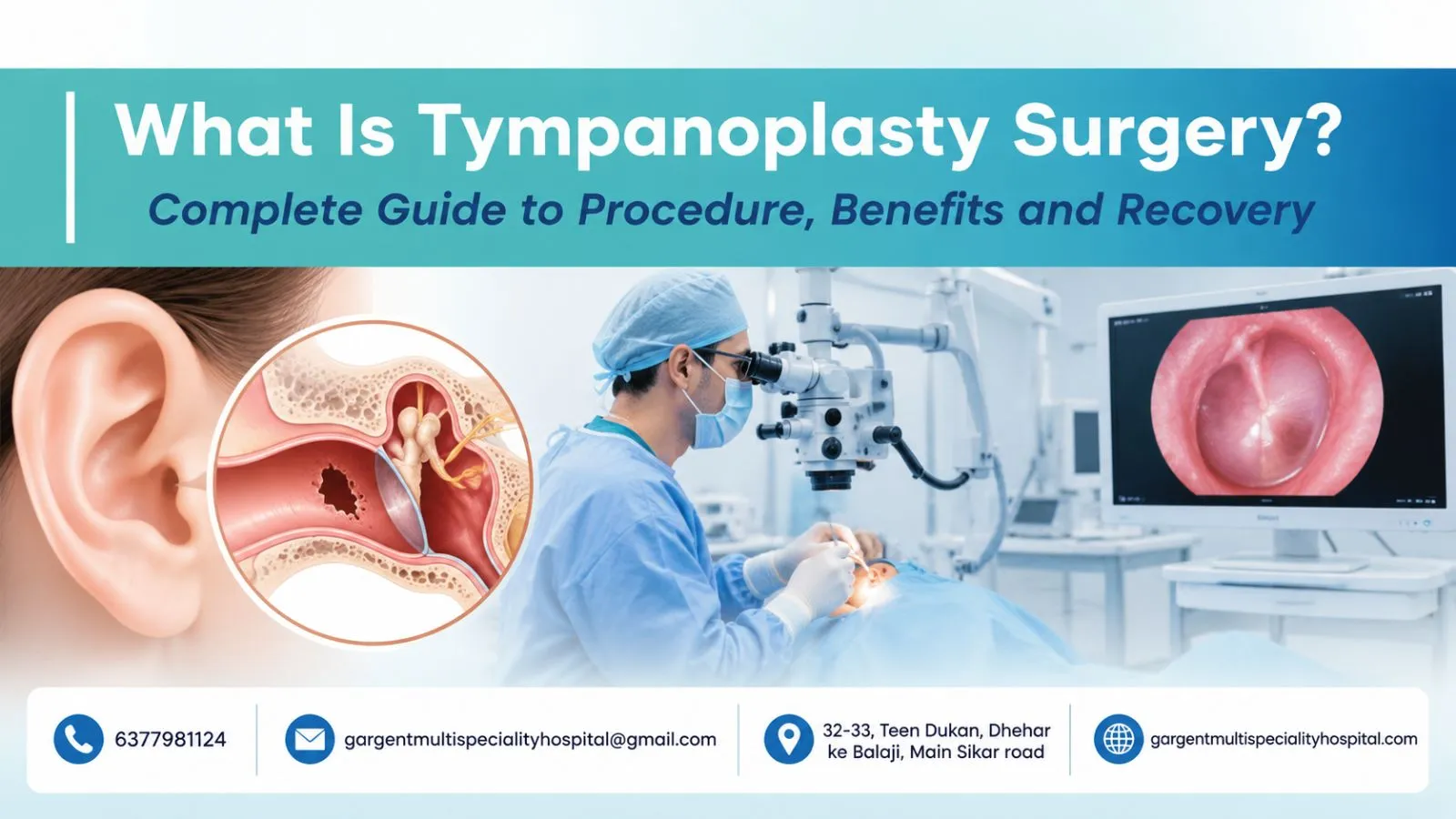
    The eardrum plays a vital role in hearing by transmitting sound vibrations from the outer ear to the middle ear. When the eardrum becomes damaged due to infection, injury, or trauma, it can lead to hearing problems, recurring ear infections, and discomfort. In such situations, doctors may recommend tympanoplasty, a specialized surgical procedure designed to repair the damaged eardrum and restore ear function.

    Tympanoplasty is one of the most commonly performed ENT surgeries for patients with chronic ear conditions. Understanding how the procedure works, who may need it, and what recovery involves can help patients make informed decisions about their treatment.

    Understanding Tympanoplasty Surgery

    A healthy eardrum is essential for proper hearing and ear protection. When the eardrum develops a hole or tear, medical intervention may be required to prevent complications and improve hearing outcomes.

    Modern tympanoplasty techniques offer high success rates and can significantly improve a patient’s quality of life.

    What Is Tympanoplasty?

    Many patients ask what is tympanoplasty and how it helps restore hearing. Tympanoplasty is a surgical procedure performed to repair a perforated or damaged eardrum. The goal is to close the hole in the eardrum and improve hearing function while preventing recurrent infections.

    The tympanoplasty definition in medical practice refers to reconstructive surgery of the eardrum, sometimes involving the middle ear structures if they are damaged.

    Healthcare providers often recommend surgery when a perforation fails to heal naturally or continues to cause symptoms.

    Why Is Tympanoplasty Performed?

    Doctors perform tympanoplasty surgery to address problems caused by eardrum damage and chronic middle ear conditions.

    Common reasons for surgery include:

    • Persistent eardrum perforation
    • Recurrent ear infections
    • Hearing loss
    • Ear discharge
    • Water entering the middle ear
    • Damage caused by trauma

    Repairing the eardrum helps restore its protective function and improves sound transmission to the hearing structures within the ear.

    Early treatment can also reduce the risk of future complications.

    Who Needs This Ear Surgery?

    Not every eardrum perforation requires surgery. Small tears may heal naturally with proper care. However, larger or long-standing perforations often require intervention.

    Candidates for ear surgery tympanoplasty may include:

    • Patients with chronic perforations
    • Individuals experiencing repeated ear infections
    • People with hearing difficulties related to eardrum damage
    • Patients with persistent ear discharge
    • Individuals whose perforations fail to heal over time

    An ENT specialist determines whether surgery is appropriate after evaluating the patient’s ear health and hearing status.

    Conditions Treated with Tympanoplasty

    Tympanoplasty is primarily used to repair eardrum defects and address complications associated with chronic middle ear disease. Successful treatment can improve both hearing and overall ear health.

    Understanding the conditions treated by tympanoplasty helps patients recognize when medical evaluation may be necessary.

    Perforated Eardrum

    A perforated eardrum is one of the most common reasons for undergoing surgery.

    Causes of eardrum perforation include:

    • Ear infections
    • Trauma
    • Sudden pressure changes
    • Foreign object injuries
    • Previous ear surgeries

    Symptoms often include hearing loss, ear discomfort, ringing in the ears, and increased sensitivity to water exposure.

    When the perforation does not heal naturally, surgical repair may be recommended to restore normal function.

    Chronic Ear Infections

    Repeated middle ear infections can damage the eardrum and surrounding structures. Persistent infections may result in recurring discharge, hearing difficulties, and inflammation.

    Signs of chronic ear infection include:

    • Frequent ear discharge
    • Hearing problems
    • Ear pain
    • Recurrent infections
    • Persistent ear fullness

    Repairing the eardrum helps reduce the risk of future infections by restoring the natural protective barrier between the outer and middle ear.

    Hearing Loss Due to Eardrum Damage

    The eardrum plays a crucial role in transmitting sound waves to the middle ear. Damage can interfere with this process and result in hearing impairment.

    Patients may experience:

    • Reduced hearing sensitivity
    • Difficulty understanding conversations
    • Muffled sounds
    • Hearing fluctuations

    Many individuals undergoing what is tympanoplasty surgery consultations seek treatment specifically to improve hearing affected by eardrum perforation.

    The degree of hearing improvement varies depending on the extent of damage and the overall health of the middle ear.

    How the Tympanoplasty Procedure Works

    Tympanoplasty is typically performed by an ENT surgeon under local or general anesthesia. The exact surgical approach depends on the size and location of the perforation and whether additional ear structures require repair.

    Advancements in surgical techniques have improved outcomes and reduced recovery times for many patients.

    Pre-Surgery Evaluation

    Before surgery, patients undergo a comprehensive evaluation to assess ear health and determine the most appropriate treatment approach.

    The assessment may include:

    • Medical history review
    • Ear examination
    • Hearing tests
    • Tympanometry
    • Imaging studies when necessary

    These evaluations help identify the extent of damage and ensure that surgery is likely to provide meaningful benefits.

    Patients are also given instructions regarding medications and preparation before the procedure.

    Surgical Steps

    The tympanoplasty procedure generally involves repairing the damaged eardrum using tissue grafts obtained from the patient’s own body.

    The surgery typically includes:

    1. Administration of anesthesia
    2. Accessing the eardrum through the ear canal or a small incision
    3. Preparing the perforation edges
    4. Placing the graft material
    5. Supporting the graft during healing

    The procedure usually takes one to three hours, depending on complexity.

    Most patients can return home on the same day unless additional treatment is required.

    Graft Placement Techniques

    Several grafting techniques are available depending on the location and size of the perforation.

    Common graft materials include:

    • Temporalis fascia tissue
    • Cartilage grafts
    • Perichondrium tissue

    The surgeon carefully positions the graft to encourage proper healing and closure of the perforation.

    Modern surgical techniques provide excellent success rates and long-term durability when performed by experienced ENT specialists.

    Recovery, Results and Success Rate

    Recovery after tympanoplasty is generally straightforward, although healing takes time. Following post-operative instructions carefully helps maximize the chances of successful outcomes.

    Most patients experience gradual improvements in hearing and ear health as the healing process progresses.

    Healing Timeline

    Recovery varies depending on the extent of surgery and individual healing factors.

    Typical recovery milestones include:

    • First week: mild discomfort and ear fullness
    • Two to four weeks: gradual healing begins
    • Six to eight weeks: significant healing progress
    • Two to three months: complete recovery in most cases

    Patients should avoid activities that create excessive pressure in the ear during the healing phase.

    Follow-up appointments allow the surgeon to monitor graft healing and address any concerns.

    Hearing Improvement Expectations

    One of the primary goals of tympanoplasty is to improve hearing by restoring eardrum integrity.

    Many patients notice:

    • Better sound clarity
    • Improved hearing sensitivity
    • Reduced ear discharge
    • Fewer infections
    • Enhanced overall ear function

    The degree of improvement depends on several factors, including the size of the perforation and whether the middle ear structures remain intact.

    Hearing continues to improve gradually as healing progresses.

    Post-Surgery Care Tips

    Proper post-operative care is essential for achieving optimal results.

    Patients are commonly advised to:

    • Keep the ear dry
    • Avoid forceful nose blowing
    • Take medications as prescribed
    • Attend follow-up appointments
    • Avoid strenuous physical activity temporarily

    Following these recommendations helps protect the surgical repair and supports successful healing.

    Patients should contact their healthcare provider if they experience severe pain, excessive bleeding, or signs of infection during recovery.

    Conclusion

    Tympanoplasty is a highly effective surgical procedure used to repair damaged eardrums, improve hearing, and reduce recurrent ear infections. For patients with chronic perforations or hearing loss related to eardrum damage, surgery can significantly enhance quality of life and long-term ear health.

    Understanding the procedure, recovery process, and expected outcomes allows patients to approach treatment with confidence. If you experience persistent ear discharge, hearing difficulties, or a perforated eardrum, an ENT specialist can determine whether tympanoplasty is the right solution for your condition.

    At Garg ENT & Multispeciality Hospital, experienced ENT specialists provide comprehensive evaluation and advanced surgical care for patients with chronic ear conditions and hearing concerns.

    FAQs

    1. What is tympanoplasty?

    Tympanoplasty is a surgical procedure performed to repair a damaged or perforated eardrum and improve hearing function.

    2. Why is tympanoplasty surgery performed?

    The surgery is commonly performed to treat eardrum perforations, recurrent ear infections, and hearing loss caused by eardrum damage.

    3. How long does tympanoplasty recovery take?

    Most patients recover within two to three months, although initial healing begins within the first few weeks after surgery.

    4. Is tympanoplasty a successful procedure?

    Yes. Tympanoplasty generally has a high success rate when performed by experienced ENT surgeons and when post-operative care instructions are followed.

    5. Will my hearing improve after tympanoplasty?

    Many patients experience improved hearing after surgery, although the degree of improvement depends on the extent of ear damage and overall ear health.
  • Adenoidectomy Surgery: Procedure, Benefits, Recovery, Risks & Cost Guide

    Adenoidectomy Surgery: Procedure, Benefits, Recovery, Risks & Cost Guide

    Breathing difficulties, chronic nasal blockage, persistent snoring, and recurrent ear infections are common problems caused by enlarged adenoids. These issues are especially common in children, although adults can also experience symptoms related to enlarged adenoid tissue. When medications and conservative treatments fail to provide relief, doctors may recommend Adenoidectomy Surgery as a safe and effective solution.

    This procedure involves removing the adenoid glands located behind the nose. By eliminating the source of airway obstruction and repeated infections, patients often experience better breathing, improved sleep quality, fewer ear infections, and an overall improvement in daily life.

    In this guide, you will learn everything about Adenoidectomy Surgery, including the procedure, benefits, recovery process, possible risks, and treatment costs.

    What Is Adenoidectomy Surgery?

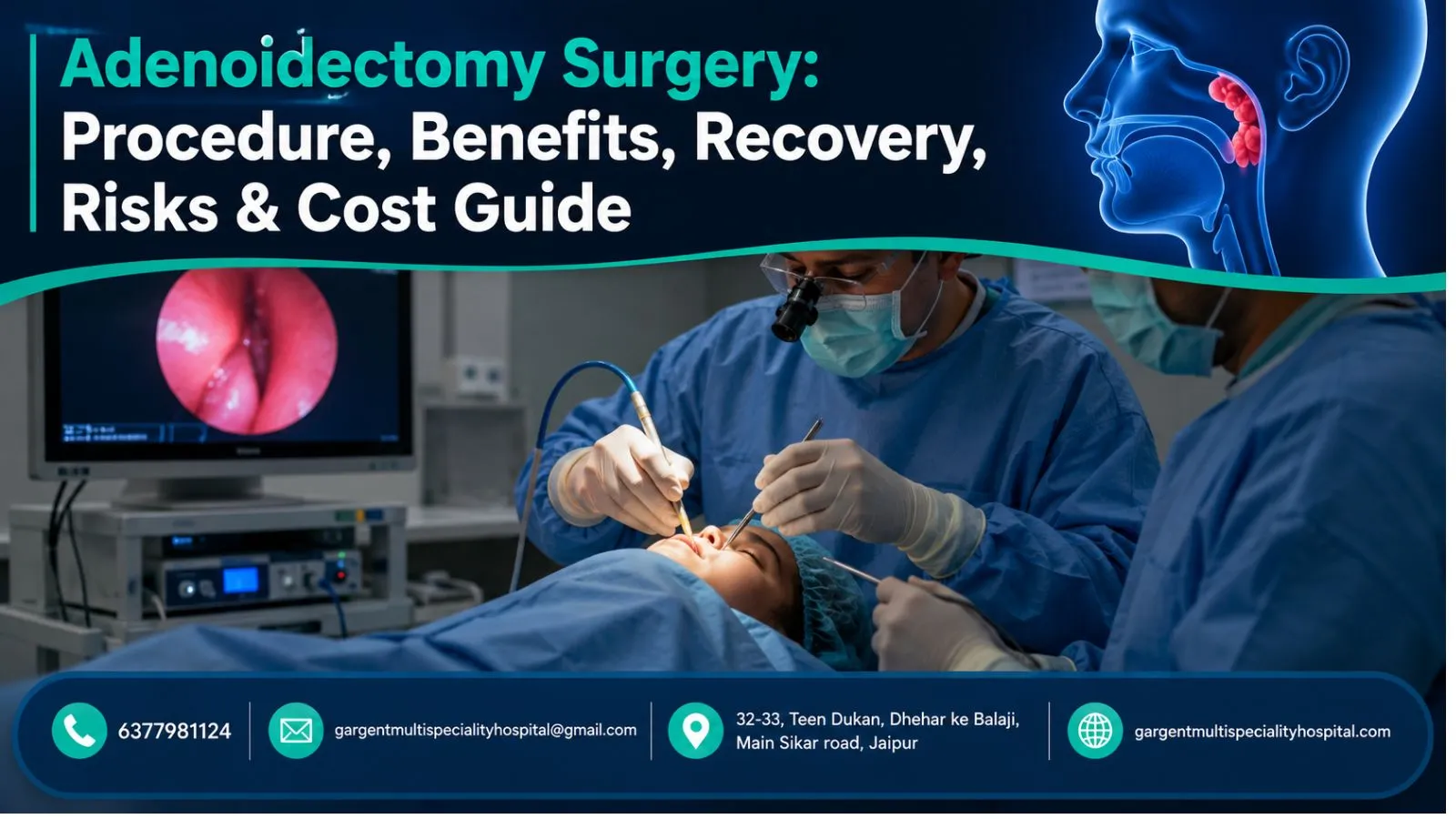
    Adenoidectomy Surgery is a surgical procedure performed to remove enlarged or infected adenoid glands. Adenoids are a mass of lymphatic tissue located at the back of the nasal cavity. They play a role in the immune system during early childhood by helping the body fight infections.

    However, when adenoids become enlarged or repeatedly infected, they can create more problems than benefits. Enlarged adenoids may block airflow through the nose, affect sleep, and contribute to ear and sinus infections.

    The surgery is generally performed under general anaesthesia and is considered one of the most common ENT procedures worldwide. Most patients can return home on the same day, making it a convenient and effective treatment option.

    Key Facts About Adenoidectomy Surgery

    • Removes enlarged or infected adenoid tissue
    • Usually performed under general anaesthesia
    • Takes approximately 30–45 minutes
    • Commonly recommended for children
    • Often performed as a day-care procedure
    • May be combined with tonsil removal surgery

    Why Is Adenoidectomy Surgery Performed?

    Doctors recommend surgery when enlarged adenoids begin affecting a patient’s health, sleep, breathing, or hearing. The decision is based on symptoms, examination findings, and response to previous treatments.

    Common Reasons for Adenoid Removal

    • Chronic nasal blockage
    • Persistent mouth breathing
    • Loud snoring
    • Obstructive sleep apnea
    • Recurrent ear infections
    • Frequent sinus infections
    • Hearing loss caused by glue ear
    • Sleep disturbances affecting daily life

    For many patients, surgery becomes necessary when medications provide only temporary relief or fail to resolve symptoms completely.

    Symptoms That May Indicate Enlarged Adenoids

    Many parents are unaware that enlarged adenoids can affect multiple aspects of a child’s health. Symptoms often develop gradually and may worsen over time.

    Common Signs and Symptoms

    • Difficulty breathing through the nose
    • Constant mouth breathing
    • Frequent snoring
    • Restless sleep
    • Daytime fatigue
    • Recurrent ear infections
    • Hearing difficulties
    • Nasal-sounding speech
    • Chronic sinus congestion

    Children with severe adenoid enlargement may also experience poor concentration, irritability, and reduced academic performance due to disrupted sleep.

    Who Needs Adenoidectomy Surgery?

    The procedure is most commonly performed in children between three and eight years of age. However, older children, teenagers, and adults may also require treatment if enlarged adenoids continue to cause symptoms.

    Patients Who May Benefit Most

    • Children with repeated ear infections
    • Patients with chronic nasal obstruction
    • Individuals diagnosed with sleep apnea
    • Children with glue ear and hearing loss
    • Patients with persistent snoring
    • Adults with enlarged adenoids confirmed through endoscopy

    An ENT specialist evaluates each case individually before recommending surgery.

    How Is Adenoid Enlargement Diagnosed?

    Accurate diagnosis is essential before planning treatment. ENT specialists use modern diagnostic tools to determine the severity of adenoid enlargement and its impact on breathing and hearing.

    Clinical Examination

    The doctor reviews symptoms, medical history, and previous treatments to understand the condition.

    Nasal Endoscopy

    A thin camera is inserted through the nose to directly visualize the adenoid tissue. This is one of the most reliable methods for diagnosing enlarged adenoids.

    Hearing Assessment

    Patients with recurrent ear infections or glue ear may require hearing tests to evaluate hearing function.

    Sleep Evaluation

    If sleep apnea is suspected, additional testing may be recommended to assess breathing patterns during sleep.

    Types of Adenoidectomy Surgery

    Several surgical techniques are available today. The choice depends on the patient’s condition, surgeon experience, and hospital facilities.

    Traditional Adenoidectomy

    Traditional adenoid removal uses specialized surgical instruments to remove the enlarged tissue through the mouth.

    Advantages

    • Widely available
    • Effective for most cases
    • Short procedure time

    Although reliable, this method provides limited direct visualization of the surgical field.

    Endoscopic Adenoidectomy

    Endoscopic surgery uses a camera inserted through the nose, allowing surgeons to see the adenoid tissue clearly throughout the procedure.

    Benefits of Endoscopic Technique

    • Better surgical precision
    • More complete tissue removal
    • Reduced risk of regrowth
    • Improved visualization
    • Enhanced safety

    Many modern ENT centers now prefer this approach because of its accuracy and effectiveness.

    Coblation Adenoidectomy

    Coblation technology removes tissue using radiofrequency energy and saline at lower temperatures than conventional surgical methods.

    Advantages of Coblation Surgery

    • Less post-operative pain
    • Reduced bleeding
    • Faster healing
    • Minimal tissue damage
    • Greater patient comfort

    Coblation has become increasingly popular because it improves the recovery experience without compromising treatment outcomes.

    Adenoidectomy Surgery Procedure: Step-by-Step Process

    Understanding the surgical process helps patients and parents feel more confident before treatment.

    Step 1: Preoperative Evaluation

    The ENT specialist performs a detailed examination and reviews diagnostic reports before scheduling surgery.

    Step 2: Administration of Anaesthesia

    General anaesthesia is administered to ensure the patient remains comfortable and pain-free during the procedure.

    Step 3: Removal of Adenoid Tissue

    The surgeon removes the enlarged adenoid tissue using the selected surgical technique.

    Step 4: Bleeding Control

    Any minor bleeding is controlled before completing the procedure.

    Step 5: Recovery Room Monitoring

    After surgery, the patient is monitored until fully awake and stable.

    Most patients can return home on the same day.

    Recovery After Adenoidectomy Surgery

    Recovery following adenoid surgery is usually smooth and uncomplicated. Most patients return to normal activities within a short period.

    Days 1–2

    Patients may experience:

    • Mild throat discomfort
    • Nasal congestion
    • Slight fever
    • Reduced appetite

    Adequate rest and hydration are important during this phase.

    Days 3–5

    Healing continues steadily. Some patients may still experience mild discomfort.

    Soft foods and plenty of fluids are recommended.

    Days 6–10

    Most children return to school and normal daily activities.

    Breathing often improves significantly during this stage.

    Weeks 2–4

    Internal healing continues, and symptoms such as snoring and mouth breathing improve considerably.

    Weeks 4–6

    Full recovery is usually achieved, and patients experience the complete benefits of surgery.

    Benefits of Adenoidectomy Surgery

    The procedure offers several short-term and long-term health benefits.

    Improved Breathing

    Removal of enlarged adenoids restores normal airflow through the nasal passages.

    Better Sleep Quality

    Patients often experience:

    • Reduced snoring
    • Fewer breathing interruptions
    • More restful sleep

    Improved sleep contributes to better concentration and energy levels.

    Fewer Ear Infections

    Children with recurrent ear infections frequently experience a significant reduction in infection frequency after surgery.

    Improved Hearing

    Patients affected by glue ear often notice improved hearing following treatment.

    Better Quality of Life

    Many families report improvements in:

    • School performance
    • Daily energy levels
    • Behaviour
    • Overall wellbeing

    Risks and Possible Complications

    Like any surgical procedure, adenoidectomy carries some risks. Fortunately, serious complications are rare when the procedure is performed by an experienced ENT surgeon.

    Common Temporary Side Effects

    • Mild throat pain
    • Nasal congestion
    • Temporary bad breath
    • Low-grade fever
    • Slight voice changes

    These symptoms generally resolve within a few days.

    Rare Complications

    • Bleeding
    • Infection
    • Anaesthesia-related complications
    • Delayed healing
    • Adenoid regrowth

    Prompt medical attention helps manage these issues effectively if they occur.

    Cost of Adenoidectomy Surgery in India

    The cost of treatment varies depending on several factors, including the surgical technique used, hospital facilities, and geographic location.

    Factors Affecting Cost

    • Type of surgery performed
    • Hospital infrastructure
    • Surgeon expertise
    • Diagnostic investigations
    • Combined procedures such as tonsillectomy

    Estimated Cost Range

    Procedure Type Approximate Cost
    Traditional Adenoidectomy ₹15,000 – ₹35,000
    Endoscopic Adenoidectomy ₹30,000 – ₹60,000
    Coblation Adenoidectomy ₹40,000 – ₹75,000
    Adenoidectomy with Tonsillectomy ₹35,000 – ₹90,000

    Most health insurance policies cover adenoidectomy when medically necessary.

    When Should You Contact Your Doctor After Surgery?

    Recovery is usually uncomplicated, but certain symptoms require immediate medical attention.

    Seek Medical Help If You Experience

    • Bright red bleeding from the nose or mouth
    • High fever above 38.5°C
    • Difficulty breathing
    • Severe pain that worsens over time
    • Persistent vomiting
    • Inability to drink fluids
    • Signs of dehydration

    Early intervention helps prevent complications and supports a smooth recovery.

    Conclusion

    Adenoidectomy Surgery is a safe, effective, and commonly performed ENT procedure that helps treat enlarged or chronically infected adenoids. By improving airflow, reducing infections, and enhancing sleep quality, the surgery can significantly improve a patient’s quality of life.

    Modern techniques such as endoscopic and coblation adenoidectomy have made the procedure more precise, safer, and more comfortable than ever before. If persistent nasal blockage, snoring, recurrent ear infections, or sleep disturbances are affecting daily life, consulting an experienced ENT specialist can help determine whether adenoidectomy is the right treatment option.

    Frequently Asked Questions

    1. Is Adenoidectomy Surgery painful?

    Most patients experience only mild to moderate discomfort after surgery. Pain is usually manageable with prescribed medications and improves within a few days.

    2. How long does Adenoidectomy Surgery take?

    The procedure typically takes between 30 and 45 minutes, depending on the complexity of the case.

    3. Can adenoids grow back after surgery?

    In rare cases, small amounts of adenoid tissue may regrow. This is less common with modern endoscopic surgical techniques.

    4. How soon can a child return to school after surgery?

    Most children return to school within 7 to 10 days, depending on their recovery progress.

    5. Is Adenoidectomy Surgery covered by insurance?

    Yes. Most health insurance providers in India cover adenoidectomy when it is medically recommended by a specialist.

  • Eardrum Repair and Hearing Restoration: Advanced Treatment for Eardrum Perforation

    Eardrum Repair and Hearing Restoration: Advanced Treatment for Eardrum Perforation

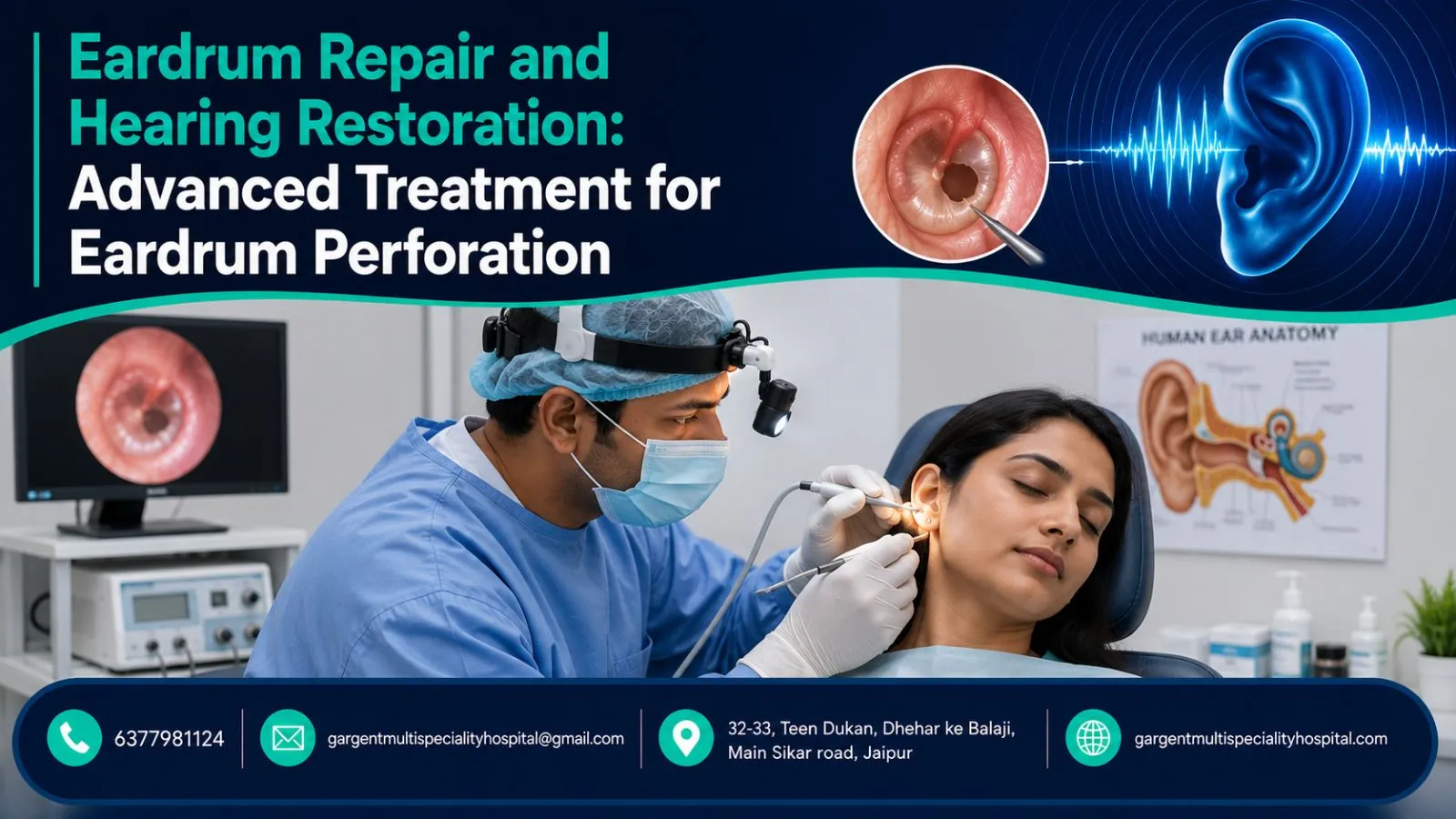
    The eardrum, medically known as the tympanic membrane, plays a crucial role in hearing and protecting the middle ear from infections and external contaminants. It acts as a barrier that prevents bacteria and foreign particles from entering the middle ear while also transmitting sound vibrations necessary for normal hearing.

    When the eardrum becomes damaged or perforated, patients may experience symptoms such as ear pain, hearing loss, ear discharge, recurrent infections, and ringing sounds in the ear. If left untreated, these problems can progress into chronic ear disease and may lead to long-term hearing impairment.

    At Garg ENT Multispeciality Hospital, patients receive comprehensive evaluation and advanced treatment for eardrum disorders under the care of Dr. Prateek Garg. Modern diagnostic techniques, specialized medical management, and advanced tympanoplasty procedures help restore hearing, prevent infections, and improve overall ear health.

    What is the Eardrum and Why is it Important?

    The eardrum is a thin membrane that separates the outer ear from the middle ear. Although delicate, it performs two essential functions that are critical for healthy hearing.

    Hearing Function

    The eardrum receives sound waves and converts them into vibrations. These vibrations are transmitted to the tiny hearing bones within the middle ear, allowing sound signals to reach the inner ear and ultimately the brain.

    Protective Function

    The eardrum also serves as a protective barrier that prevents bacteria, water, dust, and other harmful substances from entering the middle ear. This protective mechanism helps reduce the risk of infections and related complications.

    Damage to the eardrum can occur due to:

    • Chronic ear infections
    • Trauma or injury
    • Sudden pressure changes
    • Insertion of foreign objects into the ear
    • Exposure to loud blasts or explosions

    Early diagnosis and treatment are important to prevent further complications and preserve hearing function.

    Clinical Scenario

    A patient visited Garg ENT Multispeciality Hospital with complaints of persistent ear pain, hearing difficulties, ringing sensations inside the ear, and recurrent ear discharge. The symptoms had been present for several months and were gradually affecting daily communication and overall quality of life.

    The patient reported difficulty hearing conversations from one side and frequently experienced discomfort due to recurring ear infections. A comprehensive examination was performed by Dr. Prateek Garg to determine the underlying cause of the symptoms.

    Following detailed assessment and diagnostic testing, the patient was diagnosed with:

    • Eardrum perforation
    • Middle ear infection
    • Associated hearing impairment

    A personalized treatment plan was developed to address the infection, repair the damaged eardrum, and improve hearing function.

    Common Symptoms of Eardrum Damage

    The severity of symptoms often depends on the size of the perforation and the presence of infection. Recognizing these warning signs can help patients seek treatment before complications develop.

    Ear Pain and Discomfort

    Persistent ear pain is a common symptom of eardrum injury or infection. Patients may experience irritation, sensitivity, or pressure within the affected ear.

    Hearing Loss

    A damaged eardrum can interfere with the transmission of sound vibrations, resulting in reduced hearing ability. The degree of hearing loss varies depending on the extent of the perforation.

    Ear Discharge

    Fluid, pus, or discharge from the ear may indicate an underlying infection associated with the eardrum damage. Recurrent discharge often requires prompt medical evaluation.

    Tinnitus

    Many patients report ringing, buzzing, or humming sounds inside the ear. This condition, known as tinnitus, may improve once the underlying problem is treated.

    Additional Symptoms

    Other symptoms may include:

    • Ear fullness
    • Dizziness
    • Balance disturbances
    • Increased sensitivity to sound
    • Recurrent ear infections

    Diagnosis and Assessment

    Accurate diagnosis is essential for determining the most appropriate treatment approach. At Garg ENT Multispeciality Hospital, patients undergo a comprehensive ear examination using modern diagnostic equipment.

    The evaluation process may include:

    • Detailed ENT examination
    • Ear canal and eardrum assessment
    • Microscopic ear evaluation
    • Hearing tests (Audiometry)
    • Assessment of middle ear function
    • Evaluation for active infection

    These investigations help determine the size and location of the perforation, the severity of hearing loss, and the presence of any associated complications.

    Treatment Approach

    Treatment depends on the size of the perforation, the severity of symptoms, and the overall condition of the middle ear.

    Medical Management and Infection Control

    The first step in treatment is controlling any active infection and reducing inflammation within the ear.

    Medical treatment may include:

    • Antibiotics when required
    • Anti-inflammatory medications
    • Ear protection measures
    • Preventive care instructions

    Proper infection management creates an ideal environment for healing and reduces the risk of complications.

    Observation for Small Perforations

    Some small eardrum perforations can heal naturally over time. In such cases, patients are monitored closely with regular follow-up examinations.

    During the healing period, patients are advised to:

    • Keep the ear dry
    • Avoid inserting objects into the ear
    • Prevent water entry while bathing
    • Follow ENT specialist recommendations

    Regular monitoring helps ensure proper healing and early detection of any problems.

    Tympanoplasty (Eardrum Repair Surgery)

    For larger perforations or cases that do not heal naturally, tympanoplasty may be recommended. This advanced surgical procedure repairs the damaged eardrum and restores its normal structure.

    The goals of tympanoplasty include:

    • Repairing the perforated eardrum
    • Improving hearing function
    • Preventing recurrent infections
    • Protecting the middle ear

    Modern surgical techniques allow for precise repair with excellent success rates and favorable long-term outcomes.

    Hearing Restoration and Long-Term Care

    Following successful treatment, patients receive ongoing hearing assessments and follow-up care to monitor recovery and ensure long-term ear health.

    Post-treatment care may include:

    • Hearing evaluations
    • Ear protection guidance
    • Follow-up examinations
    • Preventive ear care recommendations

    This comprehensive approach helps maintain hearing improvement and reduces the risk of future complications.

    Clinical Expertise

    Successful management of eardrum disorders requires specialized expertise in ear surgery and hearing restoration. At Garg ENT Multispeciality Hospital, Dr. Prateek Garg provides advanced care for patients with eardrum perforations, chronic ear infections, and hearing-related disorders.

    His expertise includes:

    • Tympanoplasty surgery
    • Hearing restoration procedures
    • Chronic ear infection management
    • Microscopic ear surgery
    • Comprehensive hearing assessment

    Using modern surgical techniques and evidence-based treatment protocols, patients receive personalized care focused on achieving the best possible outcomes.

    Duration and Recovery

    Recovery varies depending on the severity of the condition and the treatment performed. However, modern treatment methods have significantly improved patient comfort and healing.

    Typical Recovery Timeline

    • Consultation Duration: 20–30 minutes
    • Surgical Procedure: Usually day-care or short stay
    • Initial Healing: Several weeks
    • Hearing Improvement: Gradual recovery over time
    • Follow-Up Visits: Scheduled as needed

    Most patients experience progressive improvement in hearing and a significant reduction in symptoms following successful treatment.

    Outcomes and Patient Benefits

    Advanced eardrum treatment offers numerous benefits that contribute to improved hearing and overall quality of life.

    Improved Hearing Function

    Repairing the eardrum restores the normal transmission of sound vibrations, leading to better hearing clarity and communication.

    Reduced Risk of Infection

    Successful treatment helps prevent recurrent middle ear infections and chronic ear discharge.

    Safe and Effective Repair

    Modern tympanoplasty techniques provide reliable repair of eardrum perforations with minimal complications and excellent success rates.

    Enhanced Quality of Life

    Patients often experience:

    • Relief from ear pain
    • Better hearing ability
    • Improved communication
    • Greater confidence in daily activities
    • Improved overall ear health

    Conclusion

    This case highlights the importance of timely diagnosis and treatment for eardrum perforation and related ear disorders. Symptoms such as ear pain, hearing loss, ear discharge, and recurrent infections should never be ignored, as delayed treatment may result in long-term complications.

    Through modern medical management, advanced tympanoplasty procedures, and comprehensive hearing restoration strategies, patients can achieve significant improvement in hearing and ear health.

    At Garg ENT Multispeciality Hospital, Dr. Prateek Garg provides specialized care using advanced diagnostic and surgical techniques designed to restore hearing, prevent recurrent infections, and support long-term recovery.

    Frequently Asked Questions

    1. What causes an eardrum perforation?

    Common causes include chronic ear infections, trauma, sudden pressure changes, insertion of objects into the ear, and loud blast injuries.

    2. Can a perforated eardrum heal on its own?

    Small perforations may heal naturally with proper care. Larger perforations often require medical treatment or surgical repair.

    3. What is tympanoplasty?

    Tympanoplasty is a surgical procedure used to repair a damaged or perforated eardrum and improve hearing function.

    4. How long does recovery take after eardrum repair surgery?

    Most patients experience gradual healing over several weeks, with hearing improvement continuing during the recovery period.

    5. Will hearing improve after treatment?

    In many cases, successful treatment significantly improves hearing and reduces symptoms such as ear discharge, infections, and tinnitus.