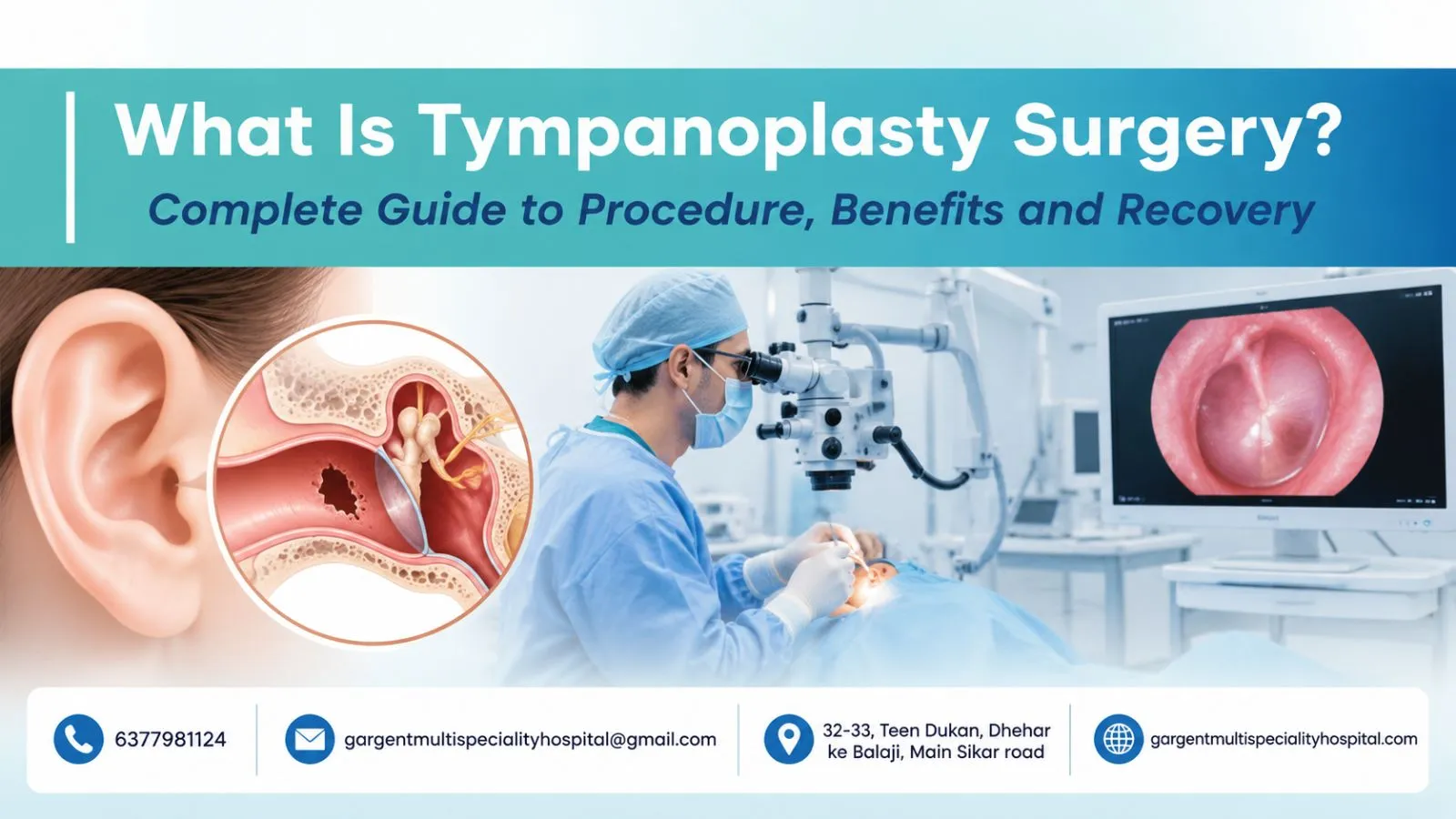
The eardrum plays a vital role in hearing by transmitting sound vibrations from the outer ear to the middle ear. When the eardrum becomes damaged due to infection, injury, or trauma, it can lead to hearing problems, recurring ear infections, and discomfort. In such situations, doctors may recommend tympanoplasty, a specialized surgical procedure designed to repair the damaged eardrum and restore ear function.
Tympanoplasty is one of the most commonly performed ENT surgeries for patients with chronic ear conditions. Understanding how the procedure works, who may need it, and what recovery involves can help patients make informed decisions about their treatment.
Understanding Tympanoplasty Surgery
A healthy eardrum is essential for proper hearing and ear protection. When the eardrum develops a hole or tear, medical intervention may be required to prevent complications and improve hearing outcomes.
Modern tympanoplasty techniques offer high success rates and can significantly improve a patient’s quality of life.
What Is Tympanoplasty?
Many patients ask what is tympanoplasty and how it helps restore hearing. Tympanoplasty is a surgical procedure performed to repair a perforated or damaged eardrum. The goal is to close the hole in the eardrum and improve hearing function while preventing recurrent infections.
The tympanoplasty definition in medical practice refers to reconstructive surgery of the eardrum, sometimes involving the middle ear structures if they are damaged.
Healthcare providers often recommend surgery when a perforation fails to heal naturally or continues to cause symptoms.
Why Is Tympanoplasty Performed?
Doctors perform tympanoplasty surgery to address problems caused by eardrum damage and chronic middle ear conditions.
Common reasons for surgery include:
- Persistent eardrum perforation
- Recurrent ear infections
- Hearing loss
- Ear discharge
- Water entering the middle ear
- Damage caused by trauma
Repairing the eardrum helps restore its protective function and improves sound transmission to the hearing structures within the ear.
Early treatment can also reduce the risk of future complications.
Who Needs This Ear Surgery?
Not every eardrum perforation requires surgery. Small tears may heal naturally with proper care. However, larger or long-standing perforations often require intervention.
Candidates for ear surgery tympanoplasty may include:
- Patients with chronic perforations
- Individuals experiencing repeated ear infections
- People with hearing difficulties related to eardrum damage
- Patients with persistent ear discharge
- Individuals whose perforations fail to heal over time
An ENT specialist determines whether surgery is appropriate after evaluating the patient’s ear health and hearing status.
Conditions Treated with Tympanoplasty
Tympanoplasty is primarily used to repair eardrum defects and address complications associated with chronic middle ear disease. Successful treatment can improve both hearing and overall ear health.
Understanding the conditions treated by tympanoplasty helps patients recognize when medical evaluation may be necessary.
Perforated Eardrum
A perforated eardrum is one of the most common reasons for undergoing surgery.
Causes of eardrum perforation include:
- Ear infections
- Trauma
- Sudden pressure changes
- Foreign object injuries
- Previous ear surgeries
Symptoms often include hearing loss, ear discomfort, ringing in the ears, and increased sensitivity to water exposure.
When the perforation does not heal naturally, surgical repair may be recommended to restore normal function.
Chronic Ear Infections
Repeated middle ear infections can damage the eardrum and surrounding structures. Persistent infections may result in recurring discharge, hearing difficulties, and inflammation.
Signs of chronic ear infection include:
- Frequent ear discharge
- Hearing problems
- Ear pain
- Recurrent infections
- Persistent ear fullness
Repairing the eardrum helps reduce the risk of future infections by restoring the natural protective barrier between the outer and middle ear.
Hearing Loss Due to Eardrum Damage
The eardrum plays a crucial role in transmitting sound waves to the middle ear. Damage can interfere with this process and result in hearing impairment.
Patients may experience:
- Reduced hearing sensitivity
- Difficulty understanding conversations
- Muffled sounds
- Hearing fluctuations
Many individuals undergoing what is tympanoplasty surgery consultations seek treatment specifically to improve hearing affected by eardrum perforation.
The degree of hearing improvement varies depending on the extent of damage and the overall health of the middle ear.
How the Tympanoplasty Procedure Works
Tympanoplasty is typically performed by an ENT surgeon under local or general anesthesia. The exact surgical approach depends on the size and location of the perforation and whether additional ear structures require repair.
Advancements in surgical techniques have improved outcomes and reduced recovery times for many patients.
Pre-Surgery Evaluation
Before surgery, patients undergo a comprehensive evaluation to assess ear health and determine the most appropriate treatment approach.
The assessment may include:
- Medical history review
- Ear examination
- Hearing tests
- Tympanometry
- Imaging studies when necessary
These evaluations help identify the extent of damage and ensure that surgery is likely to provide meaningful benefits.
Patients are also given instructions regarding medications and preparation before the procedure.
Surgical Steps
The tympanoplasty procedure generally involves repairing the damaged eardrum using tissue grafts obtained from the patient’s own body.
The surgery typically includes:
- Administration of anesthesia
- Accessing the eardrum through the ear canal or a small incision
- Preparing the perforation edges
- Placing the graft material
- Supporting the graft during healing
The procedure usually takes one to three hours, depending on complexity.
Most patients can return home on the same day unless additional treatment is required.
Graft Placement Techniques
Several grafting techniques are available depending on the location and size of the perforation.
Common graft materials include:
- Temporalis fascia tissue
- Cartilage grafts
- Perichondrium tissue
The surgeon carefully positions the graft to encourage proper healing and closure of the perforation.
Modern surgical techniques provide excellent success rates and long-term durability when performed by experienced ENT specialists.
Recovery, Results and Success Rate
Recovery after tympanoplasty is generally straightforward, although healing takes time. Following post-operative instructions carefully helps maximize the chances of successful outcomes.
Most patients experience gradual improvements in hearing and ear health as the healing process progresses.
Healing Timeline
Recovery varies depending on the extent of surgery and individual healing factors.
Typical recovery milestones include:
- First week: mild discomfort and ear fullness
- Two to four weeks: gradual healing begins
- Six to eight weeks: significant healing progress
- Two to three months: complete recovery in most cases
Patients should avoid activities that create excessive pressure in the ear during the healing phase.
Follow-up appointments allow the surgeon to monitor graft healing and address any concerns.
Hearing Improvement Expectations
One of the primary goals of tympanoplasty is to improve hearing by restoring eardrum integrity.
Many patients notice:
- Better sound clarity
- Improved hearing sensitivity
- Reduced ear discharge
- Fewer infections
- Enhanced overall ear function
The degree of improvement depends on several factors, including the size of the perforation and whether the middle ear structures remain intact.
Hearing continues to improve gradually as healing progresses.
Post-Surgery Care Tips
Proper post-operative care is essential for achieving optimal results.
Patients are commonly advised to:
- Keep the ear dry
- Avoid forceful nose blowing
- Take medications as prescribed
- Attend follow-up appointments
- Avoid strenuous physical activity temporarily
Following these recommendations helps protect the surgical repair and supports successful healing.
Patients should contact their healthcare provider if they experience severe pain, excessive bleeding, or signs of infection during recovery.
Conclusion
Tympanoplasty is a highly effective surgical procedure used to repair damaged eardrums, improve hearing, and reduce recurrent ear infections. For patients with chronic perforations or hearing loss related to eardrum damage, surgery can significantly enhance quality of life and long-term ear health.
Understanding the procedure, recovery process, and expected outcomes allows patients to approach treatment with confidence. If you experience persistent ear discharge, hearing difficulties, or a perforated eardrum, an ENT specialist can determine whether tympanoplasty is the right solution for your condition.
At Garg ENT & Multispeciality Hospital, experienced ENT specialists provide comprehensive evaluation and advanced surgical care for patients with chronic ear conditions and hearing concerns.
FAQs
1. What is tympanoplasty?
Tympanoplasty is a surgical procedure performed to repair a damaged or perforated eardrum and improve hearing function.
2. Why is tympanoplasty surgery performed?
The surgery is commonly performed to treat eardrum perforations, recurrent ear infections, and hearing loss caused by eardrum damage.
3. How long does tympanoplasty recovery take?
Most patients recover within two to three months, although initial healing begins within the first few weeks after surgery.
4. Is tympanoplasty a successful procedure?
Yes. Tympanoplasty generally has a high success rate when performed by experienced ENT surgeons and when post-operative care instructions are followed.
5. Will my hearing improve after tympanoplasty?
Many patients experience improved hearing after surgery, although the degree of improvement depends on the extent of ear damage and overall ear health.