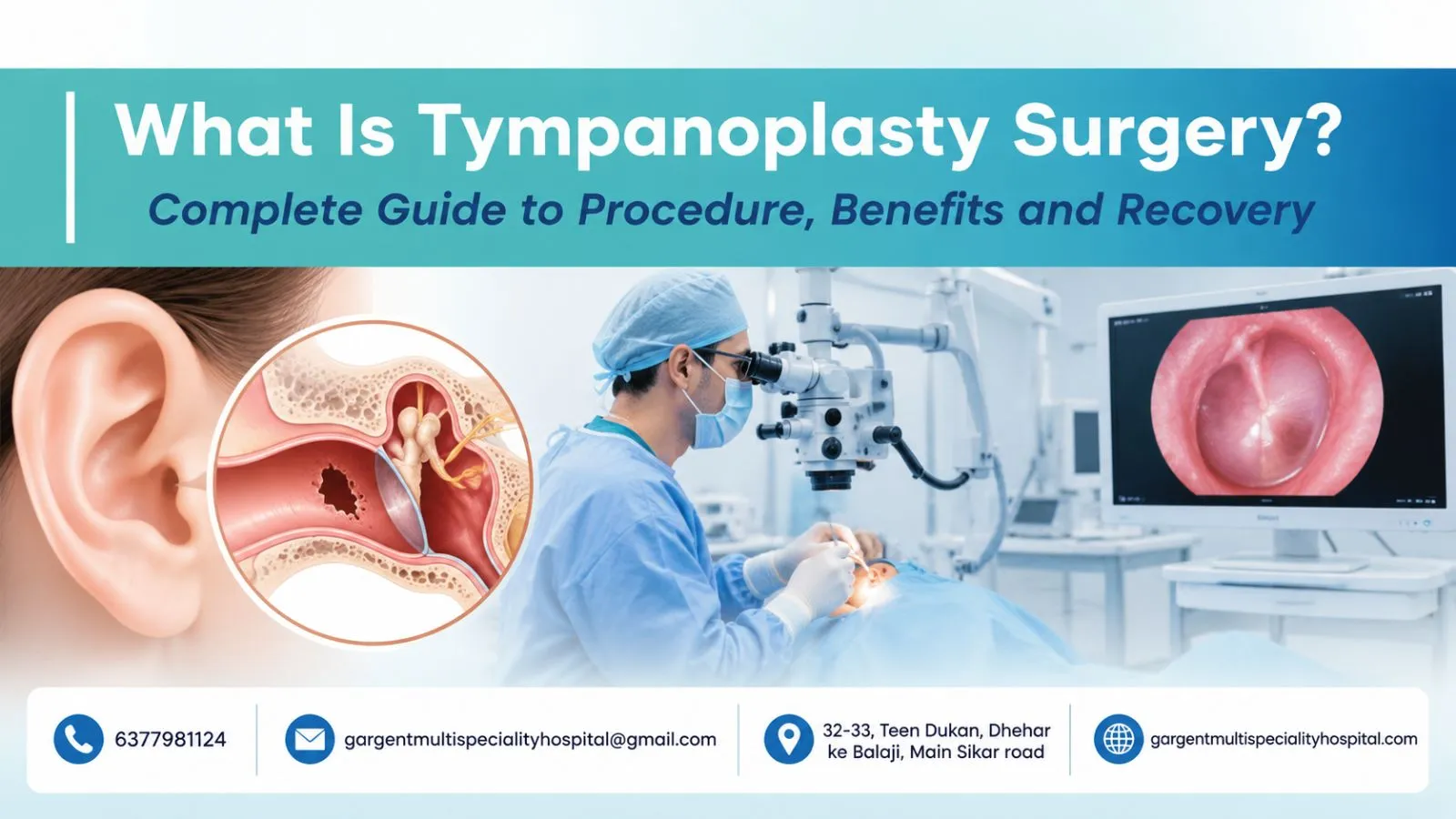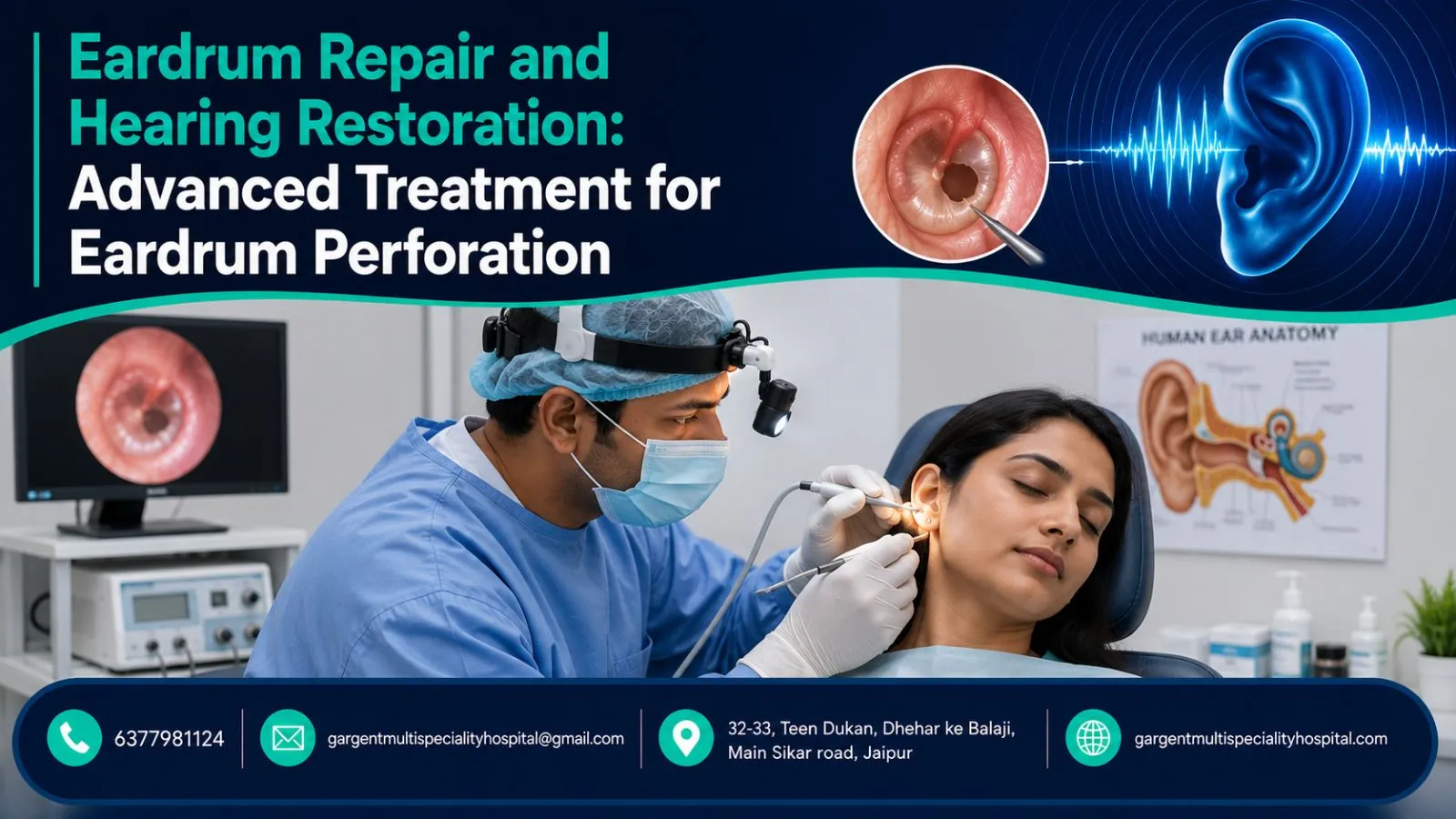
The eardrum, medically known as the tympanic membrane, plays a crucial role in hearing and protecting the middle ear from infections and external contaminants. It acts as a barrier that prevents bacteria and foreign particles from entering the middle ear while also transmitting sound vibrations necessary for normal hearing.
When the eardrum becomes damaged or perforated, patients may experience symptoms such as ear pain, hearing loss, ear discharge, recurrent infections, and ringing sounds in the ear. If left untreated, these problems can progress into chronic ear disease and may lead to long-term hearing impairment.
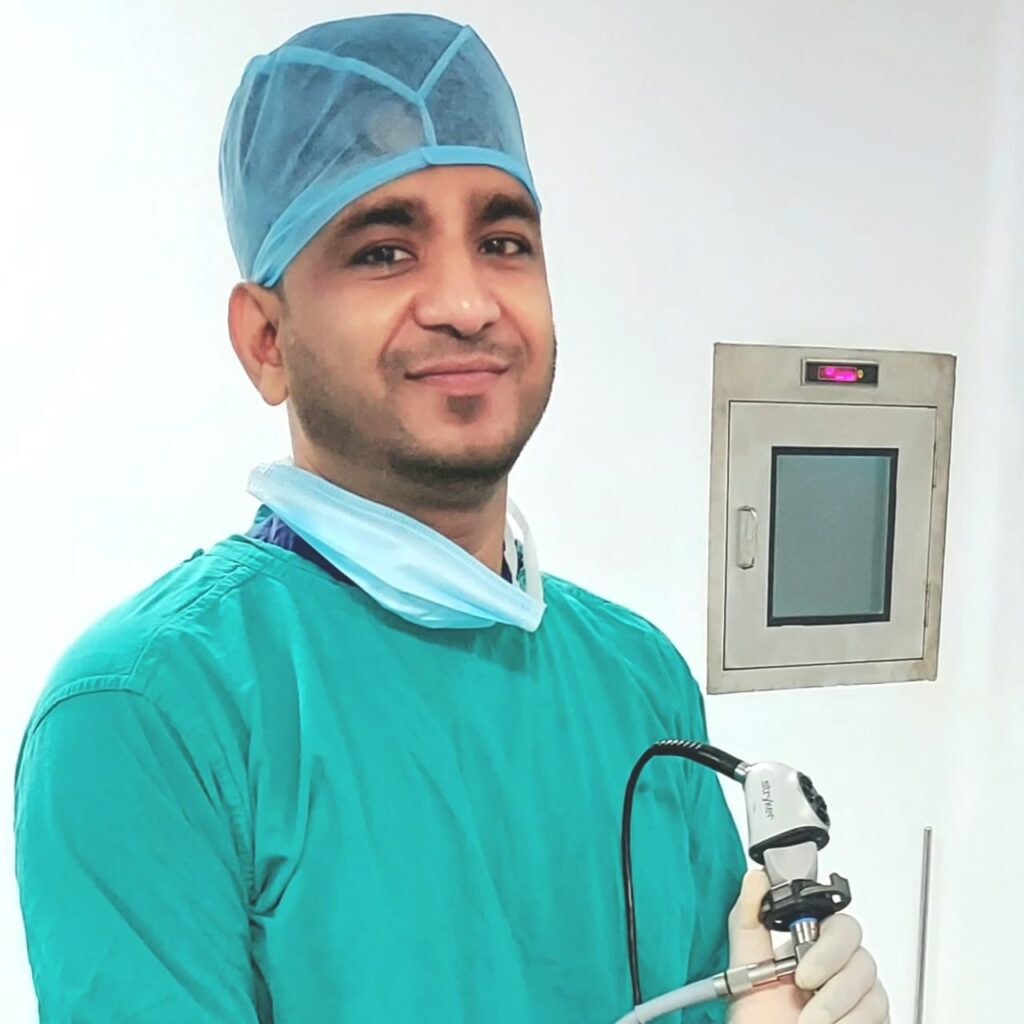
At Garg ENT Multispeciality Hospital, patients receive comprehensive evaluation and advanced treatment for eardrum disorders under the care of Dr. Prateek Garg. Modern diagnostic techniques, specialized medical management, and advanced tympanoplasty procedures help restore hearing, prevent infections, and improve overall ear health.
What is the Eardrum and Why is it Important?
The eardrum is a thin membrane that separates the outer ear from the middle ear. Although delicate, it performs two essential functions that are critical for healthy hearing.
Hearing Function
The eardrum receives sound waves and converts them into vibrations. These vibrations are transmitted to the tiny hearing bones within the middle ear, allowing sound signals to reach the inner ear and ultimately the brain.
Protective Function
The eardrum also serves as a protective barrier that prevents bacteria, water, dust, and other harmful substances from entering the middle ear. This protective mechanism helps reduce the risk of infections and related complications.
Damage to the eardrum can occur due to:
- Chronic ear infections
- Trauma or injury
- Sudden pressure changes
- Insertion of foreign objects into the ear
- Exposure to loud blasts or explosions
Early diagnosis and treatment are important to prevent further complications and preserve hearing function.
Clinical Scenario
A patient visited Garg ENT Multispeciality Hospital with complaints of persistent ear pain, hearing difficulties, ringing sensations inside the ear, and recurrent ear discharge. The symptoms had been present for several months and were gradually affecting daily communication and overall quality of life.
The patient reported difficulty hearing conversations from one side and frequently experienced discomfort due to recurring ear infections. A comprehensive examination was performed by Dr. Prateek Garg to determine the underlying cause of the symptoms.
Following detailed assessment and diagnostic testing, the patient was diagnosed with:
- Eardrum perforation
- Middle ear infection
- Associated hearing impairment
A personalized treatment plan was developed to address the infection, repair the damaged eardrum, and improve hearing function.
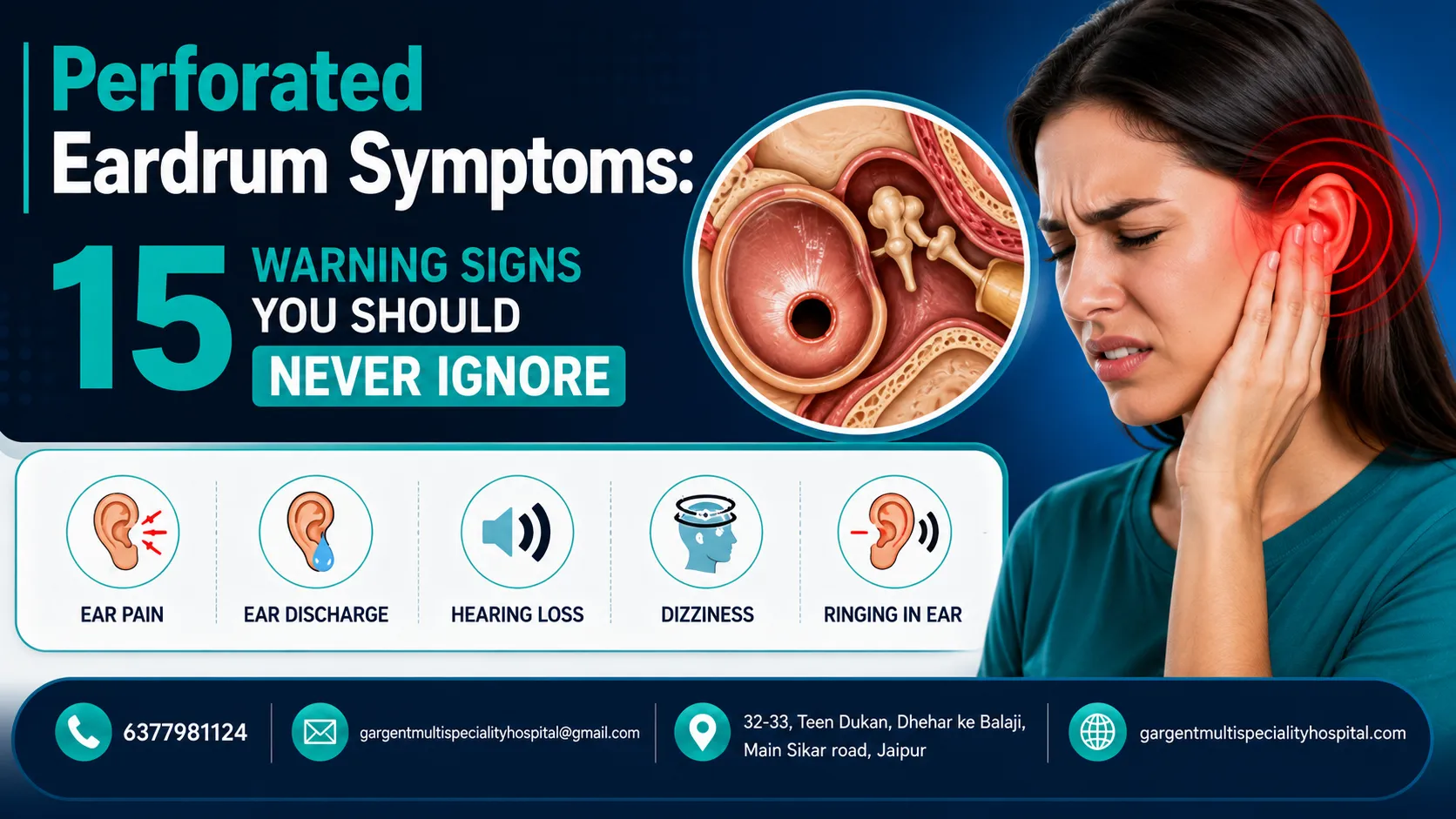
Common Symptoms of Eardrum Damage
The severity of symptoms often depends on the size of the perforation and the presence of infection. Recognizing these warning signs can help patients seek treatment before complications develop.
Ear Pain and Discomfort
Persistent ear pain is a common symptom of eardrum injury or infection. Patients may experience irritation, sensitivity, or pressure within the affected ear.
Hearing Loss
A damaged eardrum can interfere with the transmission of sound vibrations, resulting in reduced hearing ability. The degree of hearing loss varies depending on the extent of the perforation.
Ear Discharge
Fluid, pus, or discharge from the ear may indicate an underlying infection associated with the eardrum damage. Recurrent discharge often requires prompt medical evaluation.
Tinnitus
Many patients report ringing, buzzing, or humming sounds inside the ear. This condition, known as tinnitus, may improve once the underlying problem is treated.
Additional Symptoms
Other symptoms may include:
- Ear fullness
- Dizziness
- Balance disturbances
- Increased sensitivity to sound
- Recurrent ear infections
Diagnosis and Assessment
Accurate diagnosis is essential for determining the most appropriate treatment approach. At Garg ENT Multispeciality Hospital, patients undergo a comprehensive ear examination using modern diagnostic equipment.
The evaluation process may include:
- Detailed ENT examination
- Ear canal and eardrum assessment
- Microscopic ear evaluation
- Hearing tests (Audiometry)
- Assessment of middle ear function
- Evaluation for active infection
These investigations help determine the size and location of the perforation, the severity of hearing loss, and the presence of any associated complications.
Treatment Approach
Treatment depends on the size of the perforation, the severity of symptoms, and the overall condition of the middle ear.
Medical Management and Infection Control
The first step in treatment is controlling any active infection and reducing inflammation within the ear.
Medical treatment may include:
- Antibiotics when required
- Anti-inflammatory medications
- Ear protection measures
- Preventive care instructions
Proper infection management creates an ideal environment for healing and reduces the risk of complications.
Observation for Small Perforations
Some small eardrum perforations can heal naturally over time. In such cases, patients are monitored closely with regular follow-up examinations.
During the healing period, patients are advised to:
- Keep the ear dry
- Avoid inserting objects into the ear
- Prevent water entry while bathing
- Follow ENT specialist recommendations
Regular monitoring helps ensure proper healing and early detection of any problems.
Tympanoplasty (Eardrum Repair Surgery)
For larger perforations or cases that do not heal naturally, tympanoplasty may be recommended. This advanced surgical procedure repairs the damaged eardrum and restores its normal structure.
The goals of tympanoplasty include:
- Repairing the perforated eardrum
- Improving hearing function
- Preventing recurrent infections
- Protecting the middle ear
Modern surgical techniques allow for precise repair with excellent success rates and favorable long-term outcomes.
Hearing Restoration and Long-Term Care
Following successful treatment, patients receive ongoing hearing assessments and follow-up care to monitor recovery and ensure long-term ear health.
Post-treatment care may include:
- Hearing evaluations
- Ear protection guidance
- Follow-up examinations
- Preventive ear care recommendations
This comprehensive approach helps maintain hearing improvement and reduces the risk of future complications.
Clinical Expertise
Successful management of eardrum disorders requires specialized expertise in ear surgery and hearing restoration. At Garg ENT Multispeciality Hospital, Dr. Prateek Garg provides advanced care for patients with eardrum perforations, chronic ear infections, and hearing-related disorders.
His expertise includes:
- Tympanoplasty surgery
- Hearing restoration procedures
- Chronic ear infection management
- Microscopic ear surgery
- Comprehensive hearing assessment
Using modern surgical techniques and evidence-based treatment protocols, patients receive personalized care focused on achieving the best possible outcomes.
Duration and Recovery
Recovery varies depending on the severity of the condition and the treatment performed. However, modern treatment methods have significantly improved patient comfort and healing.
Typical Recovery Timeline
- Consultation Duration: 20–30 minutes
- Surgical Procedure: Usually day-care or short stay
- Initial Healing: Several weeks
- Hearing Improvement: Gradual recovery over time
- Follow-Up Visits: Scheduled as needed
Most patients experience progressive improvement in hearing and a significant reduction in symptoms following successful treatment.
Outcomes and Patient Benefits
Advanced eardrum treatment offers numerous benefits that contribute to improved hearing and overall quality of life.
Improved Hearing Function
Repairing the eardrum restores the normal transmission of sound vibrations, leading to better hearing clarity and communication.
Reduced Risk of Infection
Successful treatment helps prevent recurrent middle ear infections and chronic ear discharge.
Safe and Effective Repair
Modern tympanoplasty techniques provide reliable repair of eardrum perforations with minimal complications and excellent success rates.
Enhanced Quality of Life
Patients often experience:
- Relief from ear pain
- Better hearing ability
- Improved communication
- Greater confidence in daily activities
- Improved overall ear health
Conclusion
This case highlights the importance of timely diagnosis and treatment for eardrum perforation and related ear disorders. Symptoms such as ear pain, hearing loss, ear discharge, and recurrent infections should never be ignored, as delayed treatment may result in long-term complications.
Through modern medical management, advanced tympanoplasty procedures, and comprehensive hearing restoration strategies, patients can achieve significant improvement in hearing and ear health.
At Garg ENT Multispeciality Hospital, Dr. Prateek Garg provides specialized care using advanced diagnostic and surgical techniques designed to restore hearing, prevent recurrent infections, and support long-term recovery.
Frequently Asked Questions
1. What causes an eardrum perforation?
Common causes include chronic ear infections, trauma, sudden pressure changes, insertion of objects into the ear, and loud blast injuries.
2. Can a perforated eardrum heal on its own?
Small perforations may heal naturally with proper care. Larger perforations often require medical treatment or surgical repair.
3. What is tympanoplasty?
Tympanoplasty is a surgical procedure used to repair a damaged or perforated eardrum and improve hearing function.
4. How long does recovery take after eardrum repair surgery?
Most patients experience gradual healing over several weeks, with hearing improvement continuing during the recovery period.
5. Will hearing improve after treatment?
In many cases, successful treatment significantly improves hearing and reduces symptoms such as ear discharge, infections, and tinnitus.