Category: Head & Neck Surgery

  • Mouth Opening Problem: Could It Be a Sign of OSMF or Oral Cancer?

    Mouth Opening Problem: Could It Be a Sign of OSMF or Oral Cancer?

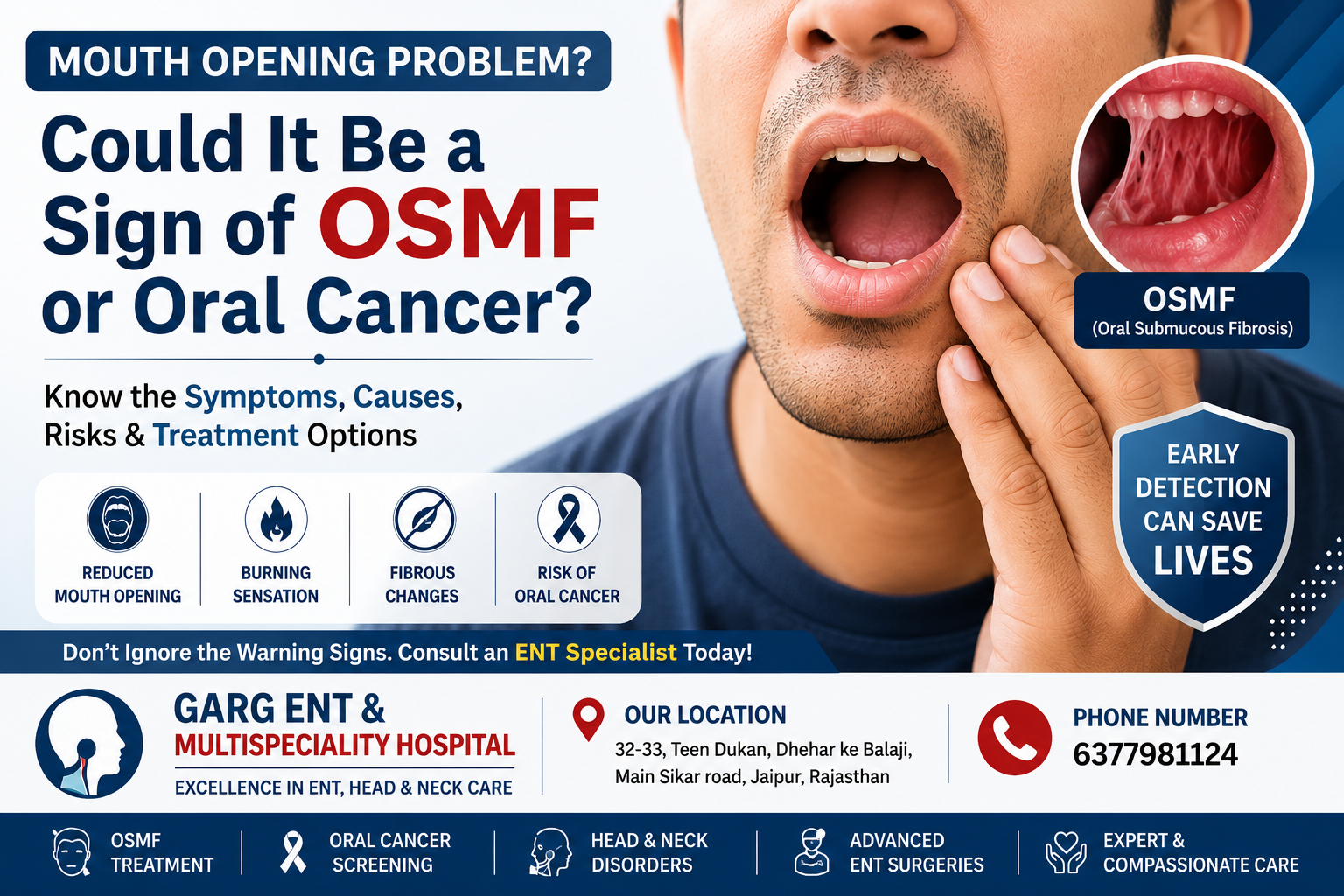
    Many people ignore difficulty in opening their mouth, assuming it is a temporary issue. However, if your mouth opening has gradually reduced over time, especially if you consume gutkha, tobacco, paan masala, or supari, it could be an early sign of Oral Submucous Fibrosis (OSMF).

    OSMF is a potentially serious condition that affects the tissues inside the mouth and may increase the risk of oral cancer if left untreated.

    Understanding the early warning signs can help you seek timely treatment and prevent complications.

    Quick Answer

    If your mouth is opening less than before and you regularly consume gutkha, tobacco, paan masala, or supari, you may be developing Oral Submucous Fibrosis (OSMF). Early diagnosis and treatment can help slow progression and reduce the risk of serious complications.

    What Is OSMF?

    Oral Submucous Fibrosis (OSMF) is a chronic condition that causes the tissues inside the mouth to become stiff and less flexible.

    As the disease progresses:

    • Mouth opening gradually decreases
    • Chewing becomes difficult
    • Speaking may become uncomfortable
    • Swallowing can be painful
    • Daily activities become challenging

    OSMF is considered a potentially malignant disorder because it may increase the risk of developing oral cancer over time.

    Common Causes of Reduced Mouth Opening

    1. Gutkha Consumption

    Gutkha contains harmful substances that damage the tissues inside the mouth and contribute to fibrosis.

    2. Supari (Areca Nut)

    Many people believe supari is harmless, but it is one of the leading causes of OSMF in India.

    3. Tobacco Chewing

    Tobacco causes chronic irritation and significantly increases the risk of oral diseases.

    4. Paan Masala

    Regular consumption of paan masala can trigger changes in oral tissues and contribute to restricted mouth opening.

    Early Symptoms of OSMF

    Recognizing symptoms early can help prevent disease progression.

    Burning Sensation While Eating Spicy Foods

    One of the earliest warning signs is a burning feeling when consuming spicy or hot foods.

    Tightness Inside the Cheeks

    You may notice that the tissues inside your cheeks feel tight or less flexible.

    Frequent Mouth Ulcers

    Recurring ulcers and irritation inside the mouth are common symptoms.

    Gradual Reduction in Mouth Opening

    Many patients realize they can no longer open their mouth as widely as before.

    Advanced Symptoms You Should Not Ignore

    As OSMF progresses, symptoms may become more severe:

    • Significant restriction in mouth opening
    • Difficulty chewing food
    • Difficulty speaking clearly
    • Pain while swallowing
    • White or pale patches inside the mouth
    • Fibrous bands inside the cheeks
    • Reduced tongue mobility

    These symptoms require prompt medical evaluation.

    Could It Be a Sign of Oral Cancer?

    Not every case of reduced mouth opening indicates cancer. However, untreated OSMF can increase the risk of oral cancer.

    Seek immediate medical attention if you notice:

    • White or red patches inside the mouth
    • Non-healing mouth ulcers
    • Bleeding from oral lesions
    • Persistent pain
    • Difficulty swallowing
    • A lump in the neck or mouth

    Early detection significantly improves treatment outcomes.

    When Should You See an ENT Specialist?

    You should consult a doctor if:

    ✔ Your mouth opening is becoming progressively smaller

    ✔ You consume gutkha, tobacco, paan masala, or supari

    ✔ You experience persistent burning sensations inside the mouth

    ✔ Eating or speaking has become difficult

    ✔ You notice unusual patches, ulcers, or swelling

    Early intervention can prevent long-term complications.

    How Is OSMF Diagnosed?

    An ENT specialist may perform:

    Clinical Examination

    A detailed examination of the oral cavity to identify fibrous bands and tissue changes.

    Mouth Opening Assessment

    Measurement of jaw mobility and mouth opening range.

    Oral Cancer Screening

    Additional investigations may be recommended if suspicious lesions are present.

    Biopsy (If Required)

    In selected cases, a biopsy may be performed to evaluate abnormal tissue.

    Treatment Options for OSMF

    Stop Tobacco and Gutkha Immediately

    The most important step in treatment is discontinuing all forms of tobacco, gutkha, supari, and paan masala.

    Medications and Nutritional Support

    Doctors may prescribe:

    • Antioxidants
    • Vitamin supplements
    • Anti-inflammatory medications
    • Supportive therapies

    Mouth Opening Exercises

    Jaw stretching exercises can help improve mobility and maintain function.

    Advanced Surgical Treatment

    Patients with severe restriction may require surgical intervention to release fibrous bands and improve mouth opening.

    Can OSMF Be Prevented?

    Yes. Prevention is possible through healthy lifestyle choices.

    Tips to Reduce Your Risk

    • Avoid gutkha and tobacco products
    • Stop chewing supari
    • Maintain good oral hygiene
    • Eat a balanced diet rich in vitamins
    • Schedule regular oral health check-ups
    • Seek medical advice when symptoms first appear

    Expert Insight

    Many patients seek medical attention only after significant restriction in mouth opening has already occurred. Early diagnosis and timely treatment offer the best opportunity to control disease progression and maintain oral function.

    Frequently Asked Questions

    Is reduced mouth opening always caused by OSMF?

    No. Other conditions affecting the jaw joint, muscles, or oral tissues can also cause restricted mouth opening. A medical evaluation is necessary for an accurate diagnosis.

    Can OSMF lead to oral cancer?

    OSMF is considered a potentially malignant condition and may increase the risk of oral cancer if left untreated.

    Does supari cause OSMF?

    Yes. Regular consumption of areca nut (supari) is one of the most common causes of OSMF.

    Which doctor should I consult for OSMF?

    An ENT specialist or Head and Neck specialist experienced in oral disorders can diagnose and manage OSMF.

    Can OSMF be cured?

    Early-stage OSMF can often be effectively managed, and disease progression may be slowed with proper treatment and complete cessation of harmful habits.

    Conclusion

    A mouth opening problem should never be ignored, especially if you regularly consume gutkha, tobacco, paan masala, or supari. What may seem like a minor inconvenience today could be an early sign of Oral Submucous Fibrosis (OSMF), a condition that can seriously affect your quality of life and increase the risk of oral cancer.

    Early diagnosis, lifestyle changes, and appropriate treatment can make a significant difference. If you notice persistent symptoms, consult an ENT specialist without delay.
  • Post-Traumatic Tracheal Injury

    Post-Traumatic Tracheal Injury

    Introduction

    Critical airway management in ICU and emergency tracheal repair are essential in treating post-traumatic tracheal injury. Advanced procedures like endoscopic airway surgery, airway reconstruction surgery, and tracheal stenosis surgery play a vital role in managing airway obstruction and restoring breathing.

    In complex cases requiring neck trauma surgery, modern advanced airway surgery techniques ensure timely and effective treatment.

    At Garg ENT Multispeciality Hospital, under the expertise of Dr. Prateek Garg, patients receive the best tracheal surgery in Jaipur, ensuring faster intervention, improved survival, and successful recovery outcomes.

    What is Post-Traumatic Tracheal Injury?

    Post-traumatic tracheal injury is a severe condition where the trachea (windpipe) gets damaged due to trauma, leading to airway obstruction or tracheal stenosis.

    Immediate treatment is crucial and involves:

    • ICU airway management
    • Emergency tracheal repair
    • Endoscopic airway surgery
    • Airway reconstruction surgery
    • Tracheal stenosis surgery

    Seeking expert tracheal surgery in Jaipur ensures quick recovery and effective treatment outcomes.

    Clinical Scenario

    An 18-year-old male patient was admitted to the ICU at Garg ENT Multispeciality Hospital after a severe road accident with a critically blocked airway.

    Under the guidance of Dr. Prateek Garg, immediate post-traumatic tracheal injury treatment was initiated, including:

    • Emergency tracheostomy
    • Endoscopic airway surgery
    • Tracheal manipulation

    Further treatment involved:

    • Trachea repair surgery
    • Tracheal stenosis surgery
    • Complex neck trauma surgery

    All procedures were performed by expert specialists in tracheal surgery in Jaipur.

    Diagnosis

    Advanced imaging revealed:

    • Severe tracheal damage
    • Extreme airway narrowing
    • Near-complete airway blockage

    Immediate ICU airway management and emergency trachea repair were required.

    Advanced procedures used:

    • Endoscopic airway surgery
    • Tracheal stenosis surgery
    • Airway reconstruction surgery

    Timely diagnosis and treatment by Dr. Prateek Garg ensured successful tracheal surgery in Jaipur.

    Treatment Approach (Advanced Airway Surgery)

    1. ICU Airway Management

    The patient was stabilized with airway management in ICU, ensuring oxygen supply and preparing for surgery.

    2. Endoscopic Airway Surgery

    Minimally invasive endoscopic airway surgery was used to evaluate and treat airway obstruction.

    3. Emergency Trachea Repair & Tracheal Stenosis Surgery

    Immediate emergency tracheal repair and tracheal stenosis surgery restored airway continuity.

    4. Airway Reconstruction & Neck Trauma Surgery

    Advanced airway reconstruction surgery combined with neck trauma surgery ensured full structural recovery.

    Clinical Expertise

    Dr. Prateek Garg at Garg ENT Multispeciality Hospital demonstrates excellence in:

    • Post-traumatic tracheal injury treatment
    • ICU airway management
    • Endoscopic airway surgery
    • Tracheal stenosis surgery
    • Airway reconstruction surgery

    The hospital is known for advanced tracheal surgery in Jaipur, delivering successful outcomes in critical cases.

    Duration & Recovery

    • ICU Stay: Required for airway management in ICU
    • Surgery Duration: Depends on complexity of tracheal surgery
    • Recovery Time: Gradual recovery with follow-up care

    Outcomes & Patient Benefits

    1. Restoration of Airway Function

    Successful airway reconstruction surgery and tracheal stenosis surgery restored normal breathing.

    2. Effective Tracheal Repair

    Emergency tracheal repair ensured complete healing of the trachea.

    3. Comprehensive Trauma Management

    Combination of neck trauma surgery and advanced airway surgery treated multiple injuries.

    4. Faster Recovery

    Proper ICU airway management and expert tracheal surgery in Jaipur enabled quick recovery and return to normal life.

    Conclusion

    This case highlights the importance of early intervention in post-traumatic tracheal injury using:

    • ICU airway management
    • Emergency tracheal repair
    • Endoscopic airway surgery
    • Tracheal stenosis surgery
    • Airway reconstruction surgery

    At Garg ENT Multispeciality Hospital, expert care by Dr. Prateek Garg ensures life-saving tracheal surgery in Jaipur, faster recovery, and improved quality of life.

    FAQs

    1. What is post-traumatic tracheal injury?

    It is a serious condition where the trachea is damaged due to trauma, causing airway obstruction or tracheal stenosis.

    2. What are the symptoms of tracheal injury?

    Common symptoms include:

    • Difficulty breathing
    • Airway blockage
    • Neck swelling
    • Voice changes

    3. How is tracheal injury treated?

    Treatment includes:

    • ICU airway management
    • Emergency tracheal repair
    • Endoscopic airway surgery
    • Airway reconstruction surgery

    4. What is tracheal stenosis surgery?

    It is a procedure to treat narrowing of the trachea and restore normal airflow.

    5. Who is the best doctor for tracheal surgery in Jaipur?

    Dr. Prateek Garg at Garg ENT Multispeciality Hospital is known for expert tracheal surgery in Jaipur.

    6. How long does recovery take after tracheal surgery?

    Recovery depends on the severity of injury but usually involves ICU care followed by gradual healing.

    7. Is tracheal surgery safe?

    Yes, when performed by experts using advanced airway surgery techniques, it is safe and highly effective.

  • Parotid Gland Tumor Surgery

    Parotid Gland Tumor Surgery

    Introduction:

    Parotid gland tumour surgery is an advanced type of surgery that removes tumours from the parotid glands, which are located next to the ears. Tumours such as pleomorphic adenoma must be diagnosed and treated early to avoid complications and recurrences.

    Patients at Garg ENT Multispeciality Hospital benefit from the advanced parotid surgery techniques offered by Dr. Prateek Garg. This allows for safe removal of tumours while maintaining the function of the facial nerve. In some cases, with complex tumours that have recurred, surgeons utilise newer surgical techniques to achieve complete removal of the tumour and ensure successful long-term outcomes.

    Patients undergoing surgery for tumours of the salivary glands can expect safer procedures, lower rates for cancers to recur, and improved outcomes after their surgery due to improvements in surgical techniques.

    What is Parotid Gland Tumor Surgery?

    Parotid Gland Tumor Surgery, which involves the careful removal of the parotid gland’s mass to treat a variety of illnesses (including pleomorphic adenomas), is an example of the most current technology for treating parotid tumors; it’s an extremely safe way to perform benign parotid tumor treatment; however, it may take several surgeries to completely remove any recurrent parotid tumor. More importantly, modern advanced parotid surgery techniques provide sufficient treatment for symptomatic swelling below the ear.

    Clinical Scenario

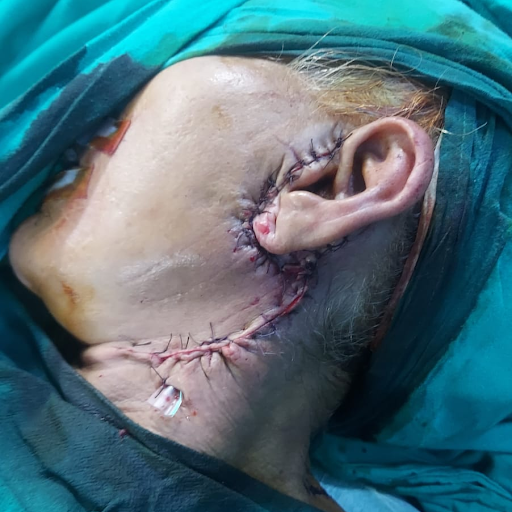
    A 65-year-old female patient came to Garg ENT Multispeciality Hospital because of continuing swelling under her ear that continues to get worse with multiple infections, and drainage despite her not having had many previous successful treatments

    An extensive examination conducted by Dr. Prateek Garg revealed that a mass was developing within the parotid gland due to a pleomorphic adenoma (a recurrent tumor), requiring further surgical intervention.

    Treatment Approach (Parotid Surgery)

    The patient underwent Parotid Gland Tumor Surgery at Garg ENT Multispeciality Hospital, performed by Dr. Prateek Garg using advanced surgical techniques. 

    1. Parotid Tumor Removal: Removal of a parotid gland tumor was achieved by utilizing a highly advanced surgical procedure for removing saliva-producing tissues from the Parotid gland to completely treat the patient for the presence of a Pleomorphic Adenoma.

    2. Management of Recurrent Tumors of the Parotid Gland: A minimally invasive and focused surgical procedure was performed on a recurrent Parotid gland tumor resulting from tissue remaining from the previous surgical procedure that took place on the same patient in the past. This procedure utilized the most advanced modern surgical techniques available in treating benign tumors of the Parotid gland.

    3. Total Removal of Salivary Gland Tumor with Plastic/Reconstructive Procedures: An extensive program for surgical removal of Parotid gland tumors using Plastic/Reconstructive surgical procedures for the purpose of restoring function and aesthetic appearance following surgical removal of the Parotid gland tumor will result in the successful treatment of patients suffering from Pleomorphic Adenomas long-term.

    4. Management of Infection & Symptoms After Surgery: Post-operative care provided infection intervention and assisted in healing through the use of proper treatment for swelling below the ear to complete the overall treatment of the Parotid gland tumor, resulting in improved healing outcome.

    Clinical Expertise

    At Garg ENT Multispecialty Hospital, Dr. Prateek Garg shows great expertise in surgery for tumors of the parotid gland and the recurrence of parotid tumors. He also has experience with salivary gland surgery. He uses modern surgical techniques to remove tumors accurately while preserving the facial nerves and giving patients excellent results, even for complex surgical cases.

    Duration & Recovery

    • Surgery Duration: 2–3 hours
    • Hospital Stay: Short duration with monitored recovery
    • Recovery Time: Gradual healing with follow-up care 

    Outcomes & Patient Benefits:

    1. Full Tumor Removal: Full removal of the parotid gland mass during the Parotid Gland Tumor Surgery allowed us to complete the treatment of the Pleomorphic Adenoma tumor using the latest Salivary Gland Tumor Surgery methods.

    2. Resolution of Infection and Symptoms: Successfully treated swelling below the ear with the removal of the Infection and Discharge from Benign Parotid Tumors that helps the patient to recover completely after Advanced Parotid Surgery.

    3. Successful surgery and reconstruction for healing and function: Advanced Salivary Gland Surgery method with reconstruction of the Salivary Glands will promote better healing and function for patients who underwent both Parotid Gland Tumor Surgeries and Recurrent Parotid Gland Tumor Surgeries.

    4. Long-term disease-free outcome: Results from expert Recurrent Parotid Gland Tumor Surgery and total removal of the Parotid Gland Tumor during surgery will result in long-term success and no recurrence of the tumor, demonstrating the effectiveness of today’s modern advanced surgery.

    Conclusion:

    The effectiveness of modern-day surgery for parotid gland tumors is demonstrated in this case study, where patients with complex or recurrent problems have received the best possible care by Dr. Prateek Garg at Garg ENT Specialty Hospital using cutting-edge surgical techniques, allowing for safer tumor excision, quick recovery times, and lasting relief.

    The modern-day advancement of surgical procedures for treating parotid gland tumors has led to improved patient outcomes, decreased complications from surgery, and overall enhanced quality of life for each patient experiencing the benefits of these surgeries.