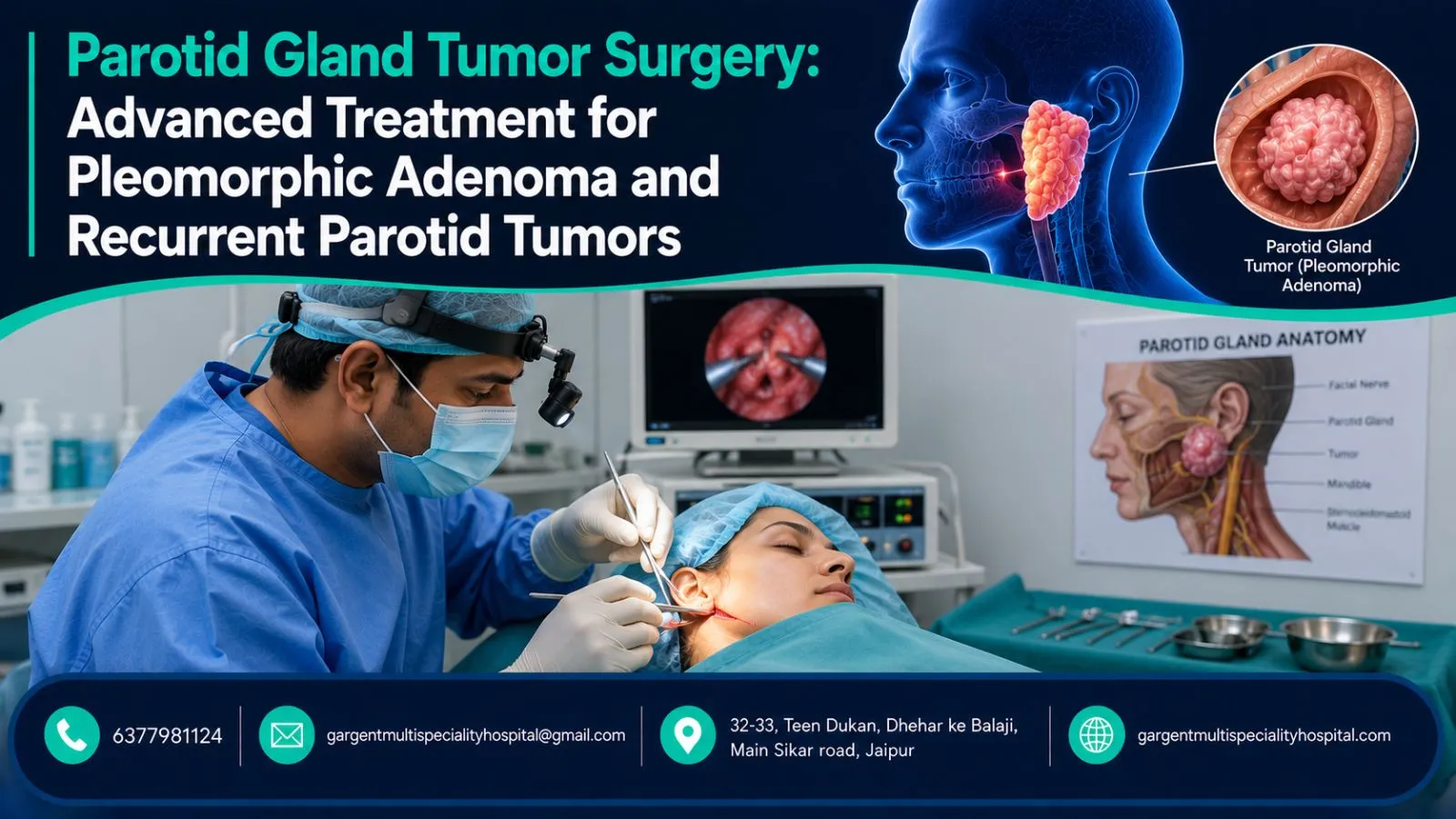
Parotid gland tumor surgery is a specialized procedure performed to remove tumors that develop in the parotid glands, the largest salivary glands located on either side of the face near the ears. While many parotid tumors are benign, they can continue to grow over time and may cause facial swelling, discomfort, recurrent infections, and cosmetic concerns. Early diagnosis and timely treatment are essential to prevent complications and reduce the risk of recurrence.
At Garg ENT Multispeciality Hospital, patients benefit from advanced surgical techniques designed to remove tumors safely while preserving important structures such as the facial nerve. Under the expertise of Dr. Prateek Garg, even complex and recurrent parotid tumors can be treated effectively using modern surgical approaches. These advancements have significantly improved patient outcomes, resulting in safer procedures, faster recovery, and long-term disease control.
What is Parotid Gland Tumor Surgery?
Parotid Gland Tumor Surgery is a procedure performed to remove abnormal growths from the parotid gland while preserving normal facial function. The surgery is commonly recommended for benign tumors such as pleomorphic adenoma, as well as for recurrent or more complex parotid gland masses.
The primary objective of surgery is complete tumor removal while minimizing damage to surrounding tissues, particularly the facial nerve. Depending on the size, location, and nature of the tumor, surgeons may remove a portion of the gland or perform a more extensive procedure to ensure complete disease clearance.
Modern surgical techniques allow for greater precision, lower complication rates, and improved cosmetic outcomes. These methods are particularly valuable when managing recurrent tumors, where scar tissue and previous surgeries can make treatment more challenging.
Clinical Scenario
A 65-year-old female patient visited Garg ENT Multispeciality Hospital with complaints of persistent swelling below the ear. Over time, the swelling had gradually increased in size and was associated with recurrent infections and intermittent discharge. Despite receiving treatment elsewhere, her symptoms continued to worsen.
Following a detailed clinical evaluation, Dr. Prateek Garg identified a recurrent pleomorphic adenoma involving the parotid gland. Diagnostic investigations confirmed the presence of a tumor that required surgical intervention to prevent further progression and eliminate the risk of ongoing complications.
Due to the recurrent nature of the condition, a carefully planned surgical strategy was developed to achieve complete tumor removal while preserving facial nerve function and ensuring optimal long-term outcomes.
Treatment Approach
The patient underwent Parotid Gland Tumor Surgery using advanced surgical techniques tailored to the complexity of the case.
Complete Tumor Removal
The primary goal of surgery was complete excision of the tumor from the parotid gland. Advanced surgical methods were used to accurately identify and remove the affected tissue while preserving healthy surrounding structures. Complete removal is essential in cases of pleomorphic adenoma because incomplete excision may increase the likelihood of recurrence.
Management of Recurrent Parotid Tumor
Recurrent tumors require special attention due to the presence of scar tissue from previous procedures. In this case, meticulous dissection techniques were used to safely separate the tumor from surrounding tissues. This approach minimized surgical trauma and improved the chances of long-term disease control.
Reconstructive and Functional Preservation Techniques
In selected cases, reconstructive procedures may be performed following tumor removal to maintain facial symmetry and restore normal function. Careful preservation of facial nerve branches was prioritized throughout the surgery to reduce the risk of facial weakness and ensure a satisfactory cosmetic outcome.
Post-Operative Management
Comprehensive post-operative care was provided to support healing and reduce the risk of infection. The treatment plan included wound care, monitoring for complications, pain management, and scheduled follow-up visits to evaluate recovery progress.
Clinical Expertise
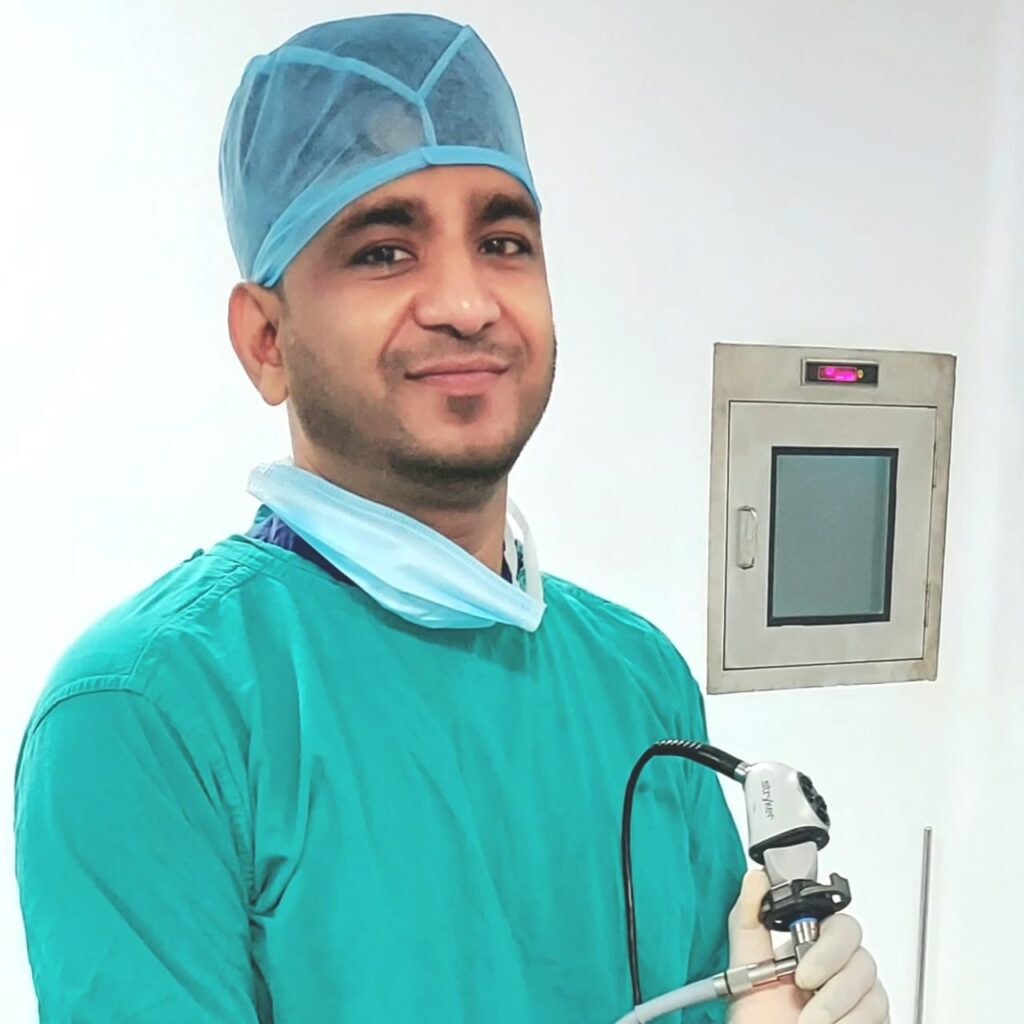
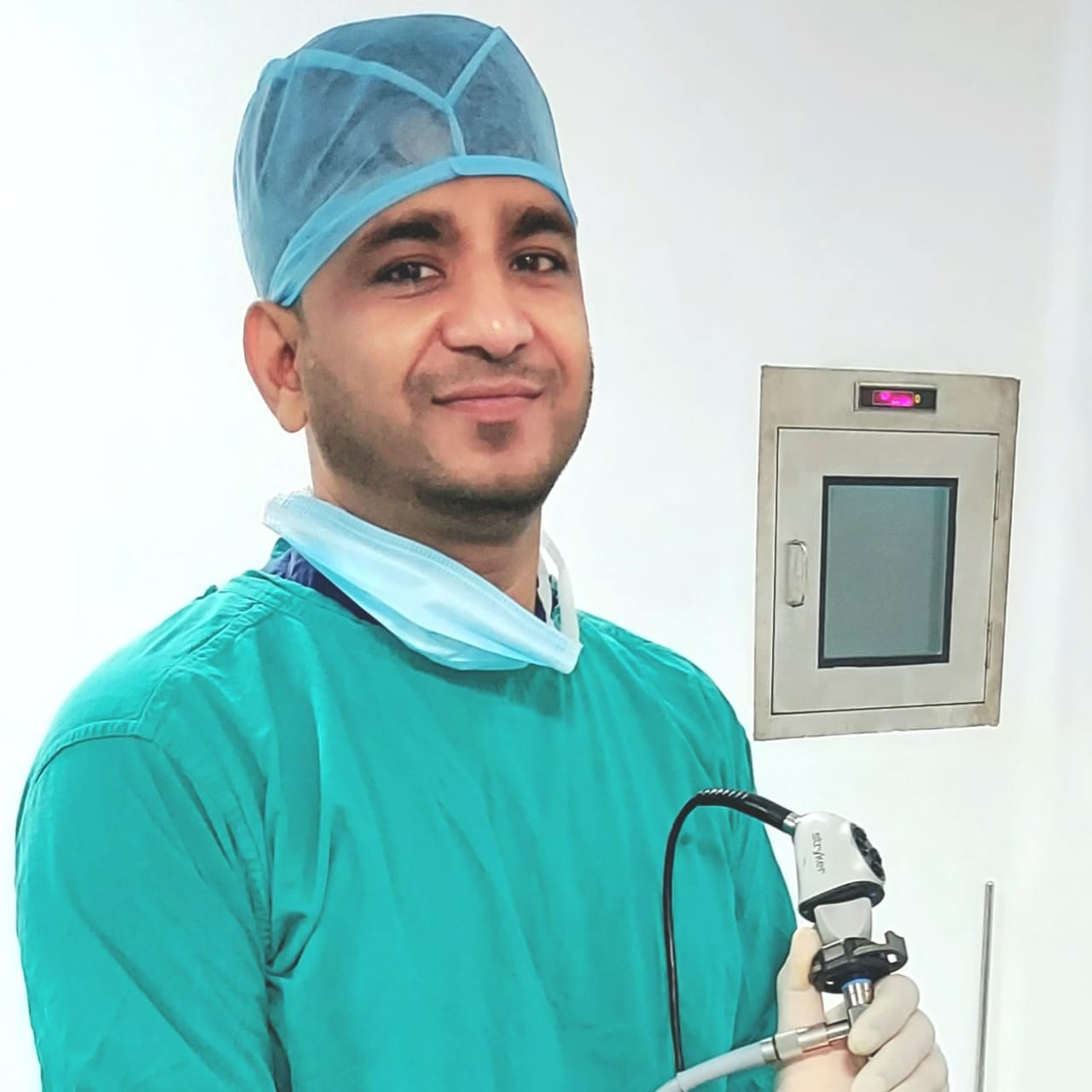
Successful management of parotid gland tumors requires extensive surgical experience and a thorough understanding of head and neck anatomy. At Garg ENT Multispeciality Hospital, Dr. Prateek Garg specializes in advanced salivary gland and parotid gland surgeries, including complex recurrent tumor cases.
His expertise allows for precise tumor removal while protecting critical structures such as the facial nerve. By utilizing modern surgical techniques and evidence-based treatment protocols, patients receive personalized care aimed at achieving the best possible outcomes.
The hospital’s multidisciplinary approach further enhances patient safety and supports comprehensive treatment from diagnosis through recovery.
Duration and Recovery
Recovery following parotid gland surgery depends on the complexity of the procedure and the patient’s overall health. However, advances in surgical techniques have significantly improved the recovery experience for most patients.
Treatment Timeline
- Surgery Duration: Approximately 2–3 hours
- Hospital Stay: Short monitored stay
- Recovery Period: Gradual healing over several weeks
- Follow-Up Visits: Scheduled to monitor healing and long-term outcomes
Most patients can return to routine activities within a few weeks, although complete healing may take longer depending on the extent of surgery performed.
Outcomes and Patient Benefits
Modern parotid gland surgery offers several important benefits that contribute to improved patient outcomes and quality of life.
Complete Tumor Removal
Successful surgery enables complete removal of the tumor, reducing the risk of recurrence and providing long-term disease control. This is especially important for recurrent pleomorphic adenomas, which can become more challenging to treat over time.
Resolution of Symptoms
Following surgery, patients often experience significant relief from symptoms such as swelling, discomfort, recurrent infections, and discharge. Eliminating the underlying cause helps restore comfort and improve daily functioning.
Preservation of Facial Function
One of the major goals of modern parotid surgery is preserving the facial nerve. Advanced surgical techniques help maintain normal facial movement while achieving complete tumor excision.
Improved Healing and Cosmetic Results
Careful surgical planning and reconstructive techniques support better healing and help maintain facial symmetry. Patients benefit from improved cosmetic outcomes and greater confidence following recovery.
Long-Term Disease-Free Outcome
With complete tumor removal and appropriate follow-up care, many patients achieve excellent long-term results without recurrence. Ongoing monitoring ensures early detection should any future concerns arise.
Why Modern Parotid Surgery is More Effective
Compared with older surgical approaches, modern parotid gland surgery offers greater precision and safety. Enhanced imaging, refined surgical instruments, and improved understanding of facial nerve anatomy allow surgeons to perform complex procedures with higher success rates.
Key advantages include:
- Greater surgical precision
- Reduced risk of recurrence
- Better facial nerve preservation
- Faster recovery
- Improved cosmetic outcomes
- Enhanced patient satisfaction
These advancements have transformed the treatment of both primary and recurrent parotid gland tumors.
Conclusion
This case highlights the effectiveness of modern Parotid Gland Tumor Surgery in managing complex and recurrent tumors. Through advanced surgical techniques and meticulous planning, complete tumor removal can be achieved while preserving facial nerve function and supporting long-term recovery.
At Garg ENT Multispeciality Hospital, Dr. Prateek Garg combines surgical expertise with patient-centered care to deliver safe and effective treatment for parotid gland tumors. Early diagnosis, timely intervention, and expert management remain the key factors in achieving successful outcomes and improving quality of life.
Frequently Asked Questions
1. What is a parotid gland tumor?
A parotid gland tumor is an abnormal growth that develops within the parotid salivary gland located near the ear. Most are benign, but some may require surgical removal to prevent complications.
2. Is parotid gland tumor surgery safe?
Yes. When performed by an experienced surgeon, parotid gland surgery is generally safe and highly effective. Modern techniques help reduce complications and preserve facial nerve function.
3. Can a pleomorphic adenoma come back after surgery?
Recurrence is possible if the tumor is not completely removed. However, advanced surgical techniques significantly reduce the risk of recurrence.
4. How long does recovery take after parotid surgery?
Most patients recover within a few weeks, although complete healing may vary depending on the complexity of the procedure.
5. Will surgery affect facial movement?
Preserving the facial nerve is a major priority during surgery. In most cases, facial function is maintained, particularly when the procedure is performed by an experienced specialist.