Category: Head & Neck Treatments

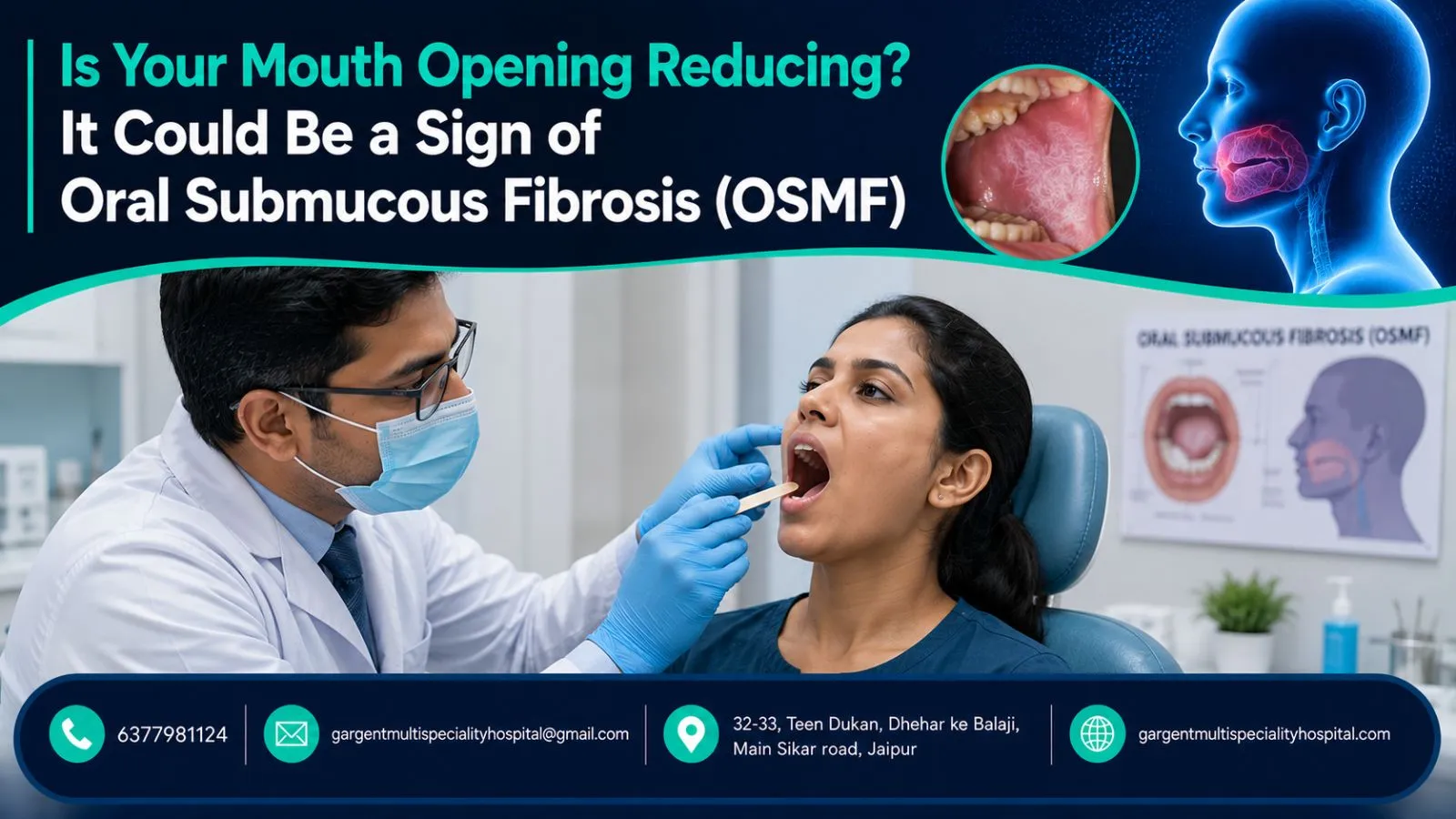
  • Is Your Mouth Opening Reducing? It Could Be a Sign of Oral Submucous Fibrosis (OSMF)

    Is Your Mouth Opening Reducing? It Could Be a Sign of Oral Submucous Fibrosis (OSMF)

    Many people ignore difficulty in opening their mouth. They often think it is a temporary problem that will improve on its own. However, if your mouth opening has gradually reduced over time, it should not be ignored. This is especially important if you regularly consume gutkha, tobacco, paan masala, or supari.

    One possible reason for reduced mouth opening is Oral Submucous Fibrosis (OSMF). It is a chronic condition that affects the tissues inside the mouth and makes them stiff. As the disease progresses, normal activities such as eating, speaking, and swallowing can become difficult.

    OSMF is also considered a potentially malignant disorder. This means it can increase the risk of oral cancer if left untreated. Early diagnosis and timely treatment can help control the condition and improve quality of life. Understanding the warning signs is the first step toward protecting your oral health.

    Quick Answer

    If your mouth is opening less than before and you regularly consume gutkha, tobacco, paan masala, or supari, you may be developing Oral Submucous Fibrosis (OSMF).

    This condition causes gradual stiffening of the tissues inside the mouth. As a result, mouth opening becomes restricted and daily activities become difficult. Early medical evaluation can help slow the progression of the disease and reduce complications.

    What Is Oral Submucous Fibrosis (OSMF)?

    Oral Submucous Fibrosis is a long-term condition that affects the lining of the mouth. It causes the oral tissues to become thick, stiff, and less flexible. Over time, scar-like fibrous bands develop inside the cheeks and other areas of the mouth.

    As these tissues lose flexibility, mouth opening gradually decreases. Many patients first notice that they are unable to open their mouth as wide as before. Others experience discomfort while eating spicy foods or chewing meals.

    The condition is most commonly linked to the use of areca nut products such as supari, gutkha, and paan masala. Tobacco consumption further increases the risk and may worsen the severity of the disease.

    Why Does OSMF Develop?

    Several habits can contribute to the development of Oral Submucous Fibrosis. Continuous irritation inside the mouth causes inflammation and tissue damage. Over time, this leads to fibrosis and reduced mouth opening.

    The most common causes include:

    • Gutkha consumption
    • Supari (areca nut) chewing
    • Tobacco use
    • Paan masala consumption
    • Poor oral health habits
    • Nutritional deficiencies

    Among these factors, areca nut is considered one of the biggest contributors to OSMF in India.

    Common Causes of Reduced Mouth Opening

    Reduced mouth opening does not happen overnight. In most cases, it develops gradually over months or years. Understanding the causes can help identify the problem early.

    Gutkha Consumption

    Gutkha contains areca nut, tobacco, and several chemical additives. These substances damage the oral tissues and increase the risk of fibrosis.

    People who consume gutkha regularly often experience burning sensations, ulcers, and stiffness inside the mouth before noticing reduced mouth opening.

    Supari (Areca Nut)

    Many people believe that supari is harmless because it is commonly available. However, medical studies have shown that areca nut is one of the leading causes of OSMF.

    Regular use can slowly damage the tissues inside the mouth and reduce their elasticity.

    Tobacco Chewing

    Tobacco causes chronic irritation of the oral lining. It also increases the risk of oral cancer and other serious oral diseases.

    When combined with areca nut products, the harmful effects become even greater.

    Paan Masala

    Paan masala products often contain ingredients that contribute to tissue changes inside the mouth. Long-term use can lead to fibrosis and restricted jaw movement.

    Early Symptoms of OSMF

    Recognizing early symptoms is important because treatment is more effective during the initial stages of the disease.

    Burning Sensation While Eating

    Many patients notice a burning feeling while eating spicy, hot, or acidic foods. This is often one of the first symptoms of OSMF.

    Tightness Inside the Mouth

    The cheeks may feel tight or less flexible than before. Some patients describe it as a stretching sensation inside the mouth.

    Recurrent Mouth Ulcers

    Frequent ulcers, soreness, and irritation are common during the early stages of the condition.

    Reduced Mouth Opening

    Gradual reduction in mouth opening is one of the most important warning signs. Patients often notice that yawning, eating, or visiting the dentist becomes more difficult.

    Advanced Symptoms You Should Not Ignore

    As Oral Submucous Fibrosis progresses, symptoms become more noticeable and start affecting everyday activities.

    Common advanced symptoms include:

    • Significant restriction in mouth opening
    • Difficulty chewing food
    • Pain while swallowing
    • Difficulty speaking clearly
    • Reduced tongue movement
    • White patches inside the mouth
    • Pale oral tissues
    • Fibrous bands inside the cheeks

    These symptoms require prompt medical evaluation and treatment.

    Can Reduced Mouth Opening Be a Sign of Oral Cancer?

    Not every case of reduced mouth opening means cancer. However, OSMF is a potentially malignant condition. This means that the risk of oral cancer is higher compared to the general population.

    You should seek immediate medical attention if you notice:

    • White patches inside the mouth
    • Red patches that do not heal
    • Persistent mouth ulcers
    • Unexplained bleeding
    • Continuous pain
    • Difficulty swallowing
    • A lump in the mouth or neck

    Early diagnosis greatly improves treatment outcomes and helps detect serious problems before they become advanced.

    When Should You See an ENT Specialist?

    Many people wait too long before seeking medical advice. Unfortunately, delayed treatment can allow the disease to progress further.

    You should consult an ENT specialist if:

    • Your mouth opening is gradually decreasing
    • You consume gutkha, tobacco, paan masala, or supari
    • You experience burning while eating
    • Speaking or chewing has become difficult
    • You have persistent ulcers or oral irritation
    • You notice unusual patches inside the mouth

    Early consultation can help prevent long-term complications and preserve normal oral function.

    How Is OSMF Diagnosed?

    Doctors use several methods to diagnose Oral Submucous Fibrosis and determine its severity.

    Clinical Examination

    The oral cavity is carefully examined for tissue changes, fibrous bands, ulcers, and signs of stiffness.

    Mouth Opening Measurement

    The doctor measures how wide the mouth can open. This helps assess the severity of restriction and monitor treatment progress.

    Oral Cancer Screening

    If suspicious patches or lesions are present, further evaluation may be recommended.

    Biopsy

    In selected cases, a small tissue sample may be taken for laboratory examination to confirm the diagnosis.

    Treatment Options for OSMF

    Treatment focuses on controlling symptoms, improving mouth opening, and preventing disease progression.

    Stop Gutkha and Tobacco Immediately

    The most important step is completely stopping:

    • Gutkha
    • Tobacco
    • Supari
    • Paan masala

    Continuing these habits can worsen the disease and reduce treatment effectiveness.

    Medications and Nutritional Support

    Doctors may prescribe:

    • Antioxidants
    • Vitamin supplements
    • Anti-inflammatory medicines
    • Supportive nutritional therapy

    These treatments help improve tissue health and reduce inflammation.

    Mouth Opening Exercises

    Regular stretching exercises can improve jaw mobility and help maintain mouth opening.

    Patients are often advised to perform these exercises consistently for the best results.

    Advanced Surgical Treatment

    Patients with severe restriction may require surgery. Surgical treatment helps release fibrous bands and improve mouth opening.

    The choice of treatment depends on the severity of the disease and the patient’s condition.

    Can OSMF Be Prevented?

    Yes. In many cases, Oral Submucous Fibrosis can be prevented through lifestyle changes and avoidance of harmful habits.

    Prevention Tips

    Follow these simple steps:

    • Avoid gutkha completely
    • Stop chewing tobacco
    • Avoid supari products
    • Limit paan masala consumption
    • Maintain good oral hygiene
    • Eat a healthy and balanced diet
    • Visit a specialist regularly
    • Seek treatment when symptoms first appear

    Prevention is always easier and more effective than treatment.

    Expert Insight

    Many patients seek treatment only after severe restriction in mouth opening has developed. At this stage, the disease may already be affecting normal eating and speaking functions.

    Early diagnosis provides the best opportunity to control disease progression. Patients who stop harmful habits early and follow medical advice generally experience better outcomes and improved oral function.

    Conclusion

    Reduced mouth opening should never be ignored. If you regularly consume gutkha, tobacco, paan masala, or supari, this symptom could be an early warning sign of Oral Submucous Fibrosis (OSMF).

    The condition can affect eating, speaking, and overall quality of life. It may also increase the risk of oral cancer if left untreated. Fortunately, early diagnosis and timely treatment can help manage symptoms and slow disease progression.

    If you notice persistent burning sensations, mouth stiffness, or difficulty opening your mouth, consult an ENT specialist as soon as possible. Taking action early can protect your oral health and prevent serious complications in the future.

    Frequently Asked Questions

    1. Is reduced mouth opening always caused by OSMF?

    No. Other conditions affecting the jaw joint, facial muscles, infections, or oral tissues can also cause restricted mouth opening. A proper medical examination is necessary for an accurate diagnosis.

    2. Can OSMF lead to oral cancer?

    Yes. OSMF is considered a potentially malignant disorder and may increase the risk of oral cancer if not treated properly.

    3. Does supari cause OSMF?

    Yes. Regular consumption of areca nut (supari) is one of the most common causes of Oral Submucous Fibrosis.

    4. Which doctor should I consult for OSMF?

    An ENT specialist, oral surgeon, or head and neck specialist can diagnose and manage OSMF effectively.

    5. Can OSMF be cured completely?

    Early-stage OSMF can often be managed successfully. Stopping harmful habits and following the recommended treatment plan can help slow disease progression and improve oral function.
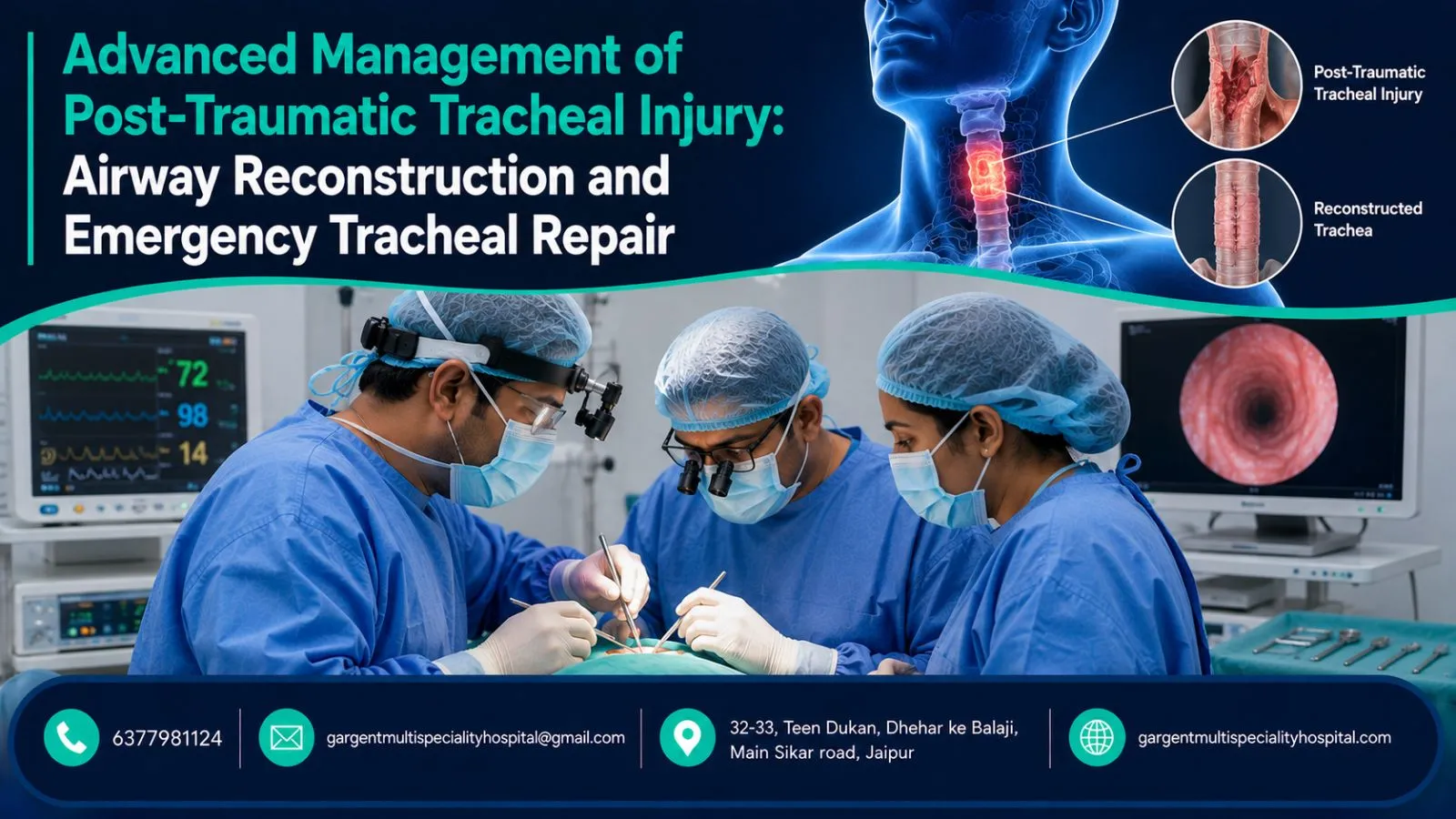
  • Advanced Management of Post-Traumatic Tracheal Injury: Airway Reconstruction and Emergency Tracheal Repair

    Advanced Management of Post-Traumatic Tracheal Injury: Airway Reconstruction and Emergency Tracheal Repair

    Post-traumatic tracheal injury is a rare but life-threatening condition that requires immediate medical attention. Damage to the trachea can result in severe airway obstruction, breathing difficulties, and potentially fatal complications if not treated promptly. Early diagnosis and timely intervention are critical to restoring normal airway function and preventing long-term respiratory problems.

    Modern advancements in airway surgery have significantly improved the management of complex tracheal injuries. Procedures such as endoscopic airway surgery, tracheal reconstruction, emergency tracheal repair, and tracheal stenosis surgery allow specialists to restore airway patency while minimizing complications. These techniques have become essential in managing patients with severe neck trauma and airway compromise.

    At Garg ENT Multispeciality Hospital, advanced airway procedures are performed under the expertise of Dr. Prateek Garg. Through a combination of critical care management and specialized surgical techniques, patients receive timely treatment aimed at achieving the best possible outcomes.

    Understanding Post-Traumatic Tracheal Injury

    The trachea, commonly known as the windpipe, is a vital structure that carries air from the throat to the lungs. Trauma caused by road accidents, blunt neck injuries, penetrating wounds, or severe facial injuries can damage the trachea and disrupt normal breathing.

    When the trachea is injured, patients may experience narrowing of the airway, known as tracheal stenosis, or complete airway obstruction. Because breathing can rapidly become compromised, emergency medical intervention is often required.

    Common signs and symptoms include:

    • Difficulty breathing
    • Noisy breathing or wheezing
    • Voice changes
    • Neck swelling
    • Persistent cough
    • Airway obstruction
    • Respiratory distress

    Prompt evaluation and specialized treatment are essential to prevent serious complications and preserve airway function.

    Clinical Scenario

    An 18-year-old male patient was admitted to the Intensive Care Unit (ICU) at Garg ENT Multispeciality Hospital following a severe road traffic accident. Upon arrival, the patient was experiencing significant breathing difficulty due to a critically narrowed airway.

    Given the severity of the condition, immediate airway stabilization was initiated under the supervision of Dr. Prateek Garg. Emergency interventions were required to secure the airway and prevent further respiratory compromise.

    Following stabilization, a detailed assessment was performed to determine the extent of the injury and develop an appropriate treatment plan. Due to the complexity of the trauma, a multidisciplinary approach was adopted to ensure comprehensive care and successful recovery.

    Diagnosis and Evaluation

    Accurate diagnosis is crucial in patients with suspected tracheal injuries. Advanced imaging studies and endoscopic examinations help identify the location and severity of airway damage while guiding treatment decisions.

    Diagnostic investigations in this case revealed:

    • Severe tracheal injury
    • Significant airway narrowing
    • Near-complete airway obstruction
    • Damage to surrounding soft tissues

    The findings confirmed the need for urgent surgical intervention. Early diagnosis allowed the medical team to initiate treatment before permanent airway damage or life-threatening complications developed.

    Advanced airway assessment techniques also enabled surgeons to carefully plan the reconstruction process and improve the chances of successful recovery.

    Treatment Approach

    Management of post-traumatic tracheal injury requires a combination of intensive care support and advanced surgical intervention. The treatment strategy in this case focused on restoring airway function, repairing damaged structures, and preventing future complications.

    ICU Airway Management

    The first priority was securing the patient’s airway and ensuring adequate oxygen delivery. Intensive care specialists closely monitored respiratory function and stabilized the patient before definitive surgical treatment.

    Critical care management included:

    • Continuous oxygen support
    • Airway monitoring
    • Respiratory stabilization
    • Hemodynamic assessment
    • Emergency airway access when required

    Early ICU intervention played a vital role in preventing further deterioration and preparing the patient for surgery.

    Endoscopic Airway Surgery

    Once the patient was stabilized, endoscopic airway evaluation was performed. This minimally invasive procedure allowed surgeons to directly visualize the airway and assess the extent of injury.

    Using advanced endoscopic equipment, the surgical team identified damaged areas and planned a targeted treatment strategy. The procedure also helped minimize surgical trauma while improving precision and safety.

    Emergency Tracheal Repair

    Because of the severity of the injury, emergency tracheal repair was necessary to restore airway continuity. Specialized surgical techniques were used to repair damaged tracheal structures and re-establish normal airflow.

    The primary objectives of the repair included:

    • Restoring airway stability
    • Eliminating obstruction
    • Preserving respiratory function
    • Preventing future complications

    Successful repair significantly improved breathing and reduced the risk of long-term airway problems.

    Airway Reconstruction and Neck Trauma Surgery

    Following tracheal repair, advanced airway reconstruction procedures were performed to restore the structural integrity of the airway. In addition, associated neck injuries were carefully managed to ensure complete recovery.

    Airway reconstruction is particularly important in patients with severe trauma because it helps maintain long-term airway function and reduces the likelihood of recurrent narrowing or scarring.

    Clinical Expertise

    Managing complex airway injuries requires extensive experience and specialized surgical skills. At Garg ENT Multispeciality Hospital, Dr. Prateek Garg has significant expertise in treating advanced airway disorders and traumatic tracheal injuries.

    His areas of specialization include:

    • Post-traumatic airway reconstruction
    • Tracheal injury management
    • Endoscopic airway procedures
    • Tracheal stenosis treatment
    • Complex neck trauma surgery

    Through the use of modern surgical techniques and evidence-based treatment protocols, patients receive personalized care focused on safety, recovery, and long-term success.

    Duration and Recovery

    Recovery from tracheal surgery depends on the severity of the injury and the complexity of the procedure performed. However, advancements in surgical techniques and critical care management have significantly improved recovery outcomes.

    Typical Recovery Timeline

    • ICU Stay: Required for close airway monitoring
    • Surgery Duration: Varies depending on injury severity
    • Hospital Stay: Based on recovery progress
    • Follow-Up Care: Regular airway assessments and imaging

    Most patients require gradual rehabilitation and periodic follow-up evaluations to ensure proper healing and airway function.

    Outcomes and Patient Benefits

    Successful management of post-traumatic tracheal injury provides several important benefits that contribute to improved quality of life and long-term respiratory health.

    Restoration of Normal Breathing

    Repair and reconstruction of the airway restore normal airflow, allowing patients to breathe comfortably without obstruction.

    Effective Tracheal Healing

    Advanced surgical techniques promote proper healing of damaged tracheal tissues and reduce the risk of future complications.

    Comprehensive Trauma Management

    The combination of airway reconstruction and neck trauma surgery addresses multiple injuries simultaneously, supporting complete recovery.

    Reduced Risk of Long-Term Complications

    Timely treatment helps prevent chronic airway narrowing, recurrent infections, and permanent respiratory impairment.

    Improved Recovery and Quality of Life

    With expert surgical care and structured rehabilitation, patients can return to normal activities and enjoy improved overall well-being.

    Why Early Treatment is Important

    Tracheal injuries can rapidly become life-threatening if not treated promptly. Delayed intervention may lead to progressive airway narrowing, severe breathing difficulties, and irreversible damage to respiratory structures.

    Early diagnosis allows specialists to:

    • Secure the airway quickly
    • Prevent respiratory failure
    • Reduce surgical complications
    • Improve treatment outcomes
    • Enhance long-term recovery

    For patients with significant neck trauma or breathing difficulties following an accident, immediate medical evaluation is essential.

    Conclusion

    This case highlights the critical importance of early intervention in the management of post-traumatic tracheal injury. Through timely diagnosis, advanced airway surgery, emergency tracheal repair, and comprehensive critical care support, successful restoration of airway function can be achieved even in complex cases.

    At Garg ENT Multispeciality Hospital, Dr. Prateek Garg utilizes modern surgical techniques and specialized expertise to provide life-saving treatment for severe airway injuries. With a focus on patient safety, functional recovery, and long-term outcomes, advanced airway reconstruction continues to transform the management of traumatic tracheal disorders.

    Frequently Asked Questions

    1. What is post-traumatic tracheal injury?

    Post-traumatic tracheal injury occurs when the windpipe is damaged due to trauma such as road accidents, blunt neck injuries, or penetrating wounds. It can lead to airway obstruction and breathing difficulties.

    2. What are the common symptoms of tracheal injury?

    Common symptoms include difficulty breathing, voice changes, neck swelling, noisy breathing, coughing, and respiratory distress.

    3. How is a tracheal injury diagnosed?

    Diagnosis typically involves clinical examination, imaging studies such as CT scans, and endoscopic evaluation of the airway to determine the extent of damage.

    4. What treatments are available for tracheal injury?

    Treatment may include airway stabilization, endoscopic procedures, emergency tracheal repair, airway reconstruction surgery, and intensive care management depending on the severity of the injury.

    5. How long does recovery take after tracheal surgery?

    Recovery varies according to the extent of the injury and surgical procedure performed. Most patients require close monitoring and follow-up care to ensure proper healing.

    Is tracheal surgery safe?

    Yes. When performed by experienced specialists using advanced surgical techniques, tracheal surgery is considered safe and highly effective for restoring airway function.

    When should someone seek emergency medical care after neck trauma?

    Immediate medical attention is necessary if there is difficulty breathing, airway obstruction, severe neck swelling, voice changes, or any signs of respiratory distress following trauma.

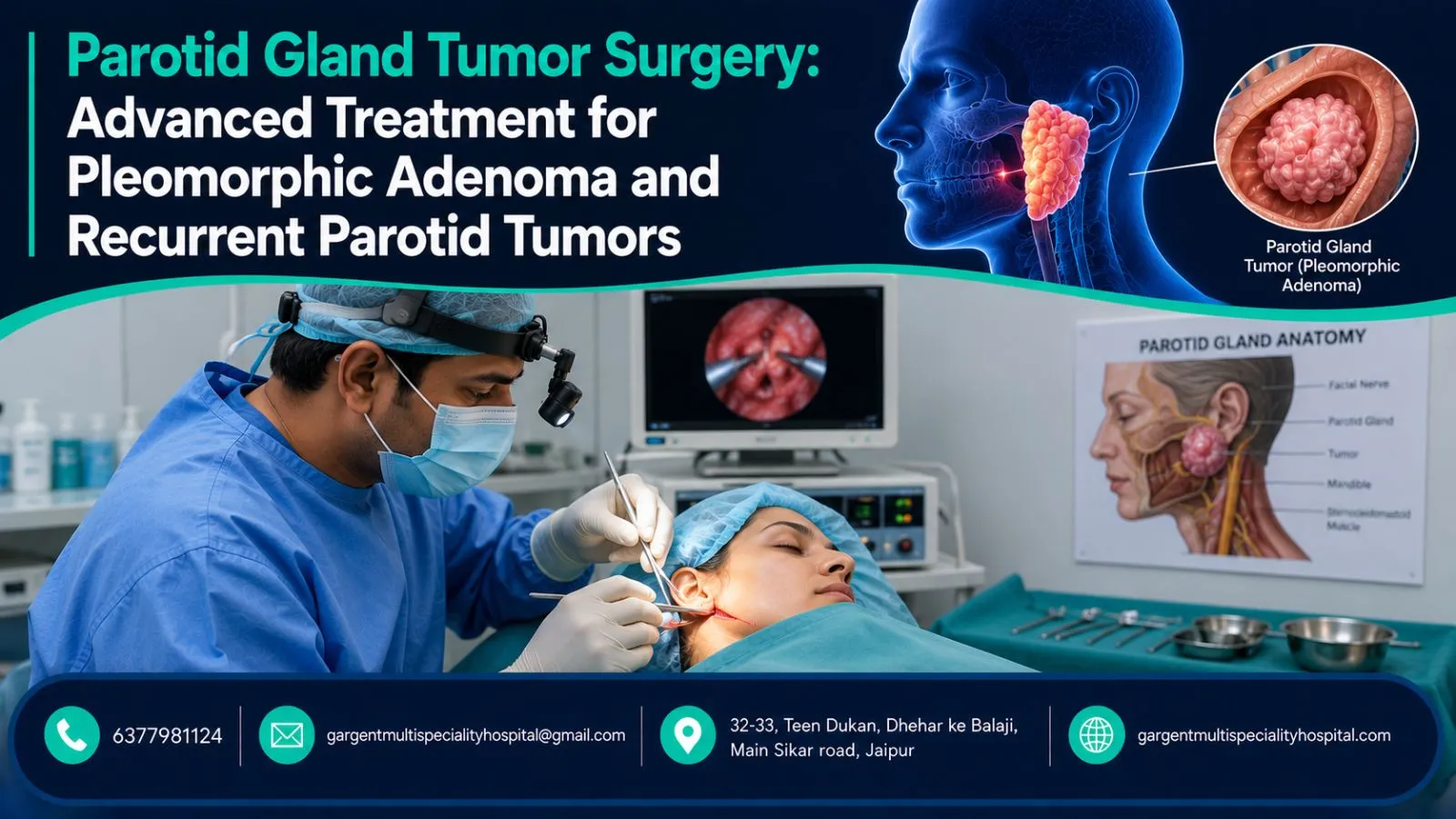
  • Parotid Gland Tumor Surgery: Advanced Treatment for Pleomorphic Adenoma and Recurrent Parotid Tumors

    Parotid Gland Tumor Surgery: Advanced Treatment for Pleomorphic Adenoma and Recurrent Parotid Tumors

    Parotid gland tumor surgery is a specialized procedure performed to remove tumors that develop in the parotid glands, the largest salivary glands located on either side of the face near the ears. While many parotid tumors are benign, they can continue to grow over time and may cause facial swelling, discomfort, recurrent infections, and cosmetic concerns. Early diagnosis and timely treatment are essential to prevent complications and reduce the risk of recurrence.

    At Garg ENT Multispeciality Hospital, patients benefit from advanced surgical techniques designed to remove tumors safely while preserving important structures such as the facial nerve. Under the expertise of Dr. Prateek Garg, even complex and recurrent parotid tumors can be treated effectively using modern surgical approaches. These advancements have significantly improved patient outcomes, resulting in safer procedures, faster recovery, and long-term disease control.

    What is Parotid Gland Tumor Surgery?

    Parotid Gland Tumor Surgery is a procedure performed to remove abnormal growths from the parotid gland while preserving normal facial function. The surgery is commonly recommended for benign tumors such as pleomorphic adenoma, as well as for recurrent or more complex parotid gland masses.

    The primary objective of surgery is complete tumor removal while minimizing damage to surrounding tissues, particularly the facial nerve. Depending on the size, location, and nature of the tumor, surgeons may remove a portion of the gland or perform a more extensive procedure to ensure complete disease clearance.

    Modern surgical techniques allow for greater precision, lower complication rates, and improved cosmetic outcomes. These methods are particularly valuable when managing recurrent tumors, where scar tissue and previous surgeries can make treatment more challenging.

    Clinical Scenario

    A 65-year-old female patient visited Garg ENT Multispeciality Hospital with complaints of persistent swelling below the ear. Over time, the swelling had gradually increased in size and was associated with recurrent infections and intermittent discharge. Despite receiving treatment elsewhere, her symptoms continued to worsen.

    Following a detailed clinical evaluation, Dr. Prateek Garg identified a recurrent pleomorphic adenoma involving the parotid gland. Diagnostic investigations confirmed the presence of a tumor that required surgical intervention to prevent further progression and eliminate the risk of ongoing complications.

    Due to the recurrent nature of the condition, a carefully planned surgical strategy was developed to achieve complete tumor removal while preserving facial nerve function and ensuring optimal long-term outcomes.

    Treatment Approach

    The patient underwent Parotid Gland Tumor Surgery using advanced surgical techniques tailored to the complexity of the case.

    Complete Tumor Removal

    The primary goal of surgery was complete excision of the tumor from the parotid gland. Advanced surgical methods were used to accurately identify and remove the affected tissue while preserving healthy surrounding structures. Complete removal is essential in cases of pleomorphic adenoma because incomplete excision may increase the likelihood of recurrence.

    Management of Recurrent Parotid Tumor

    Recurrent tumors require special attention due to the presence of scar tissue from previous procedures. In this case, meticulous dissection techniques were used to safely separate the tumor from surrounding tissues. This approach minimized surgical trauma and improved the chances of long-term disease control.

    Reconstructive and Functional Preservation Techniques

    In selected cases, reconstructive procedures may be performed following tumor removal to maintain facial symmetry and restore normal function. Careful preservation of facial nerve branches was prioritized throughout the surgery to reduce the risk of facial weakness and ensure a satisfactory cosmetic outcome.

    Post-Operative Management

    Comprehensive post-operative care was provided to support healing and reduce the risk of infection. The treatment plan included wound care, monitoring for complications, pain management, and scheduled follow-up visits to evaluate recovery progress.

    Clinical Expertise

    Successful management of parotid gland tumors requires extensive surgical experience and a thorough understanding of head and neck anatomy. At Garg ENT Multispeciality Hospital, Dr. Prateek Garg specializes in advanced salivary gland and parotid gland surgeries, including complex recurrent tumor cases.

    His expertise allows for precise tumor removal while protecting critical structures such as the facial nerve. By utilizing modern surgical techniques and evidence-based treatment protocols, patients receive personalized care aimed at achieving the best possible outcomes.

    The hospital’s multidisciplinary approach further enhances patient safety and supports comprehensive treatment from diagnosis through recovery.

    Duration and Recovery

    Recovery following parotid gland surgery depends on the complexity of the procedure and the patient’s overall health. However, advances in surgical techniques have significantly improved the recovery experience for most patients.

    Treatment Timeline

    • Surgery Duration: Approximately 2–3 hours
    • Hospital Stay: Short monitored stay
    • Recovery Period: Gradual healing over several weeks
    • Follow-Up Visits: Scheduled to monitor healing and long-term outcomes

    Most patients can return to routine activities within a few weeks, although complete healing may take longer depending on the extent of surgery performed.

    Outcomes and Patient Benefits

    Modern parotid gland surgery offers several important benefits that contribute to improved patient outcomes and quality of life.

    Complete Tumor Removal

    Successful surgery enables complete removal of the tumor, reducing the risk of recurrence and providing long-term disease control. This is especially important for recurrent pleomorphic adenomas, which can become more challenging to treat over time.

    Resolution of Symptoms

    Following surgery, patients often experience significant relief from symptoms such as swelling, discomfort, recurrent infections, and discharge. Eliminating the underlying cause helps restore comfort and improve daily functioning.

    Preservation of Facial Function

    One of the major goals of modern parotid surgery is preserving the facial nerve. Advanced surgical techniques help maintain normal facial movement while achieving complete tumor excision.

    Improved Healing and Cosmetic Results

    Careful surgical planning and reconstructive techniques support better healing and help maintain facial symmetry. Patients benefit from improved cosmetic outcomes and greater confidence following recovery.

    Long-Term Disease-Free Outcome

    With complete tumor removal and appropriate follow-up care, many patients achieve excellent long-term results without recurrence. Ongoing monitoring ensures early detection should any future concerns arise.

    Why Modern Parotid Surgery is More Effective

    Compared with older surgical approaches, modern parotid gland surgery offers greater precision and safety. Enhanced imaging, refined surgical instruments, and improved understanding of facial nerve anatomy allow surgeons to perform complex procedures with higher success rates.

    Key advantages include:

    • Greater surgical precision
    • Reduced risk of recurrence
    • Better facial nerve preservation
    • Faster recovery
    • Improved cosmetic outcomes
    • Enhanced patient satisfaction

    These advancements have transformed the treatment of both primary and recurrent parotid gland tumors.

    Conclusion

    This case highlights the effectiveness of modern Parotid Gland Tumor Surgery in managing complex and recurrent tumors. Through advanced surgical techniques and meticulous planning, complete tumor removal can be achieved while preserving facial nerve function and supporting long-term recovery.

    At Garg ENT Multispeciality Hospital, Dr. Prateek Garg combines surgical expertise with patient-centered care to deliver safe and effective treatment for parotid gland tumors. Early diagnosis, timely intervention, and expert management remain the key factors in achieving successful outcomes and improving quality of life.

    Frequently Asked Questions

    1. What is a parotid gland tumor?

    A parotid gland tumor is an abnormal growth that develops within the parotid salivary gland located near the ear. Most are benign, but some may require surgical removal to prevent complications.

    2. Is parotid gland tumor surgery safe?

    Yes. When performed by an experienced surgeon, parotid gland surgery is generally safe and highly effective. Modern techniques help reduce complications and preserve facial nerve function.

    3. Can a pleomorphic adenoma come back after surgery?

    Recurrence is possible if the tumor is not completely removed. However, advanced surgical techniques significantly reduce the risk of recurrence.

    4. How long does recovery take after parotid surgery?

    Most patients recover within a few weeks, although complete healing may vary depending on the complexity of the procedure.

    5. Will surgery affect facial movement?

    Preserving the facial nerve is a major priority during surgery. In most cases, facial function is maintained, particularly when the procedure is performed by an experienced specialist.

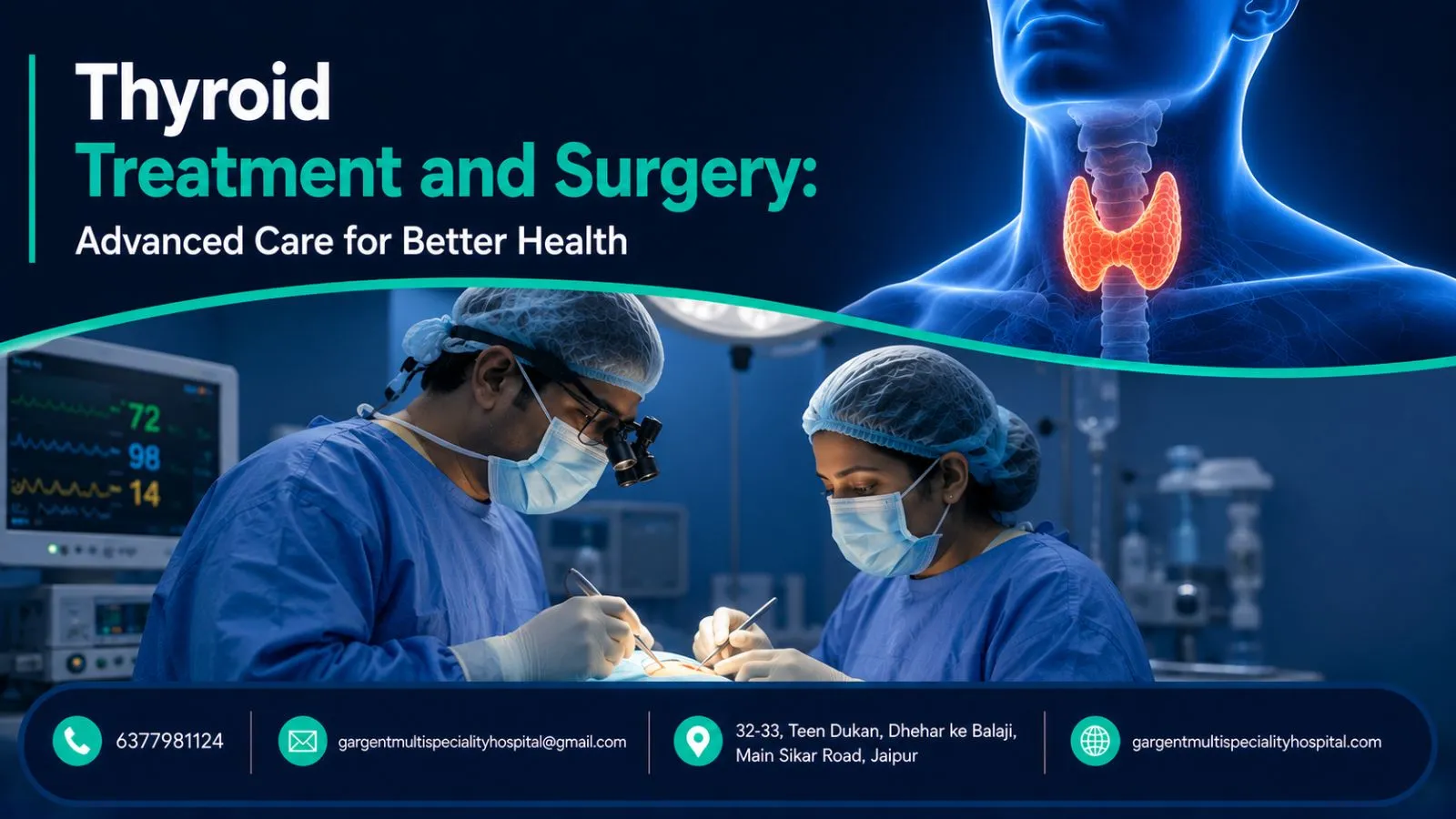
  • Thyroid Treatment and Surgery: Advanced Care for Better Health

    Thyroid Treatment and Surgery: Advanced Care for Better Health

    The thyroid gland is a small but essential hormone-producing gland located at the front of the neck. It plays a critical role in regulating metabolism, energy levels, body temperature, and overall bodily functions. When thyroid disorders such as nodules, goiter, or thyroid cancer develop, they can significantly affect a person’s health and quality of life.

    Early diagnosis and timely medical intervention are crucial for managing thyroid conditions effectively. Modern healthcare facilities now offer advanced diagnostic tools and treatment options that help patients achieve better outcomes with improved safety and faster recovery.

    Many international patients choose India for thyroid treatment because of its combination of affordable healthcare, experienced specialists, and advanced medical infrastructure. Patients can access world-class treatment at a fraction of the cost compared to many other countries while maintaining high standards of care and safety.

    What is Thyroid Treatment and Surgery?

    Thyroid treatment includes both surgical and non-surgical approaches, depending on the type and severity of the condition. For benign thyroid nodules and certain early-stage conditions, medications, monitoring, and other non-surgical thyroid tumor treatment options may be recommended by specialists.

    However, surgery remains the most effective treatment for many thyroid cancers and complex thyroid disorders. Thyroidectomy, the surgical removal of part or all of the thyroid gland, is often performed to eliminate diseased tissue and prevent further complications.

    The choice of treatment depends on several factors, including:

    • Size and location of the thyroid tumor

    • Presence of cancerous cells

    • Hormone production levels

    • Patient’s overall health condition

    • Risk of disease progression

    Patients seeking safe treatment and successful outcomes often prefer healthcare centers that provide advanced thyroid care with experienced specialists and modern surgical facilities.

    Clinical Scenario: Common Symptoms of Thyroid Disorders

    Thyroid disorders can present with various symptoms that affect daily life and overall health. Understanding these warning signs can help patients seek medical attention before complications develop.

    Hormonal Imbalance

    When the thyroid gland produces too much or too little hormone, patients may experience significant changes in metabolism, energy levels, mood, and body weight. Proper medical evaluation is necessary to identify the underlying cause and develop an effective treatment plan.

    Neck Swelling or Lump

    One of the most common signs of thyroid disease is a visible lump or swelling in the neck. This may result from thyroid nodules, enlargement of the gland, or tumor growth. Early assessment by a thyroid specialist is essential for accurate diagnosis and timely intervention.

    Difficulty in Swallowing or Breathing

    Large thyroid tumors or enlarged glands can put pressure on nearby structures, including the windpipe and esophagus. This pressure may lead to swallowing difficulties, breathing problems, or persistent discomfort in the neck region.

    Fatigue and Weakness

    Many thyroid conditions affect hormone production, resulting in persistent fatigue, muscle weakness, reduced concentration, and decreased physical performance. Long-term monitoring and appropriate treatment are often required to restore normal function.

    Patients experiencing these symptoms should consult a qualified thyroid specialist for a comprehensive evaluation and personalized treatment plan.

    Treatment Approach: Thyroid Surgery (Thyroidectomy)

    Thyroidectomy is one of the most effective procedures for treating thyroid cancer, large nodules, and severe thyroid disorders. The surgery may involve removing a portion of the thyroid gland or the entire gland, depending on the patient’s condition.

    The primary objectives of thyroid surgery include:

    • Removal of cancerous thyroid tissue

    • Elimination of problematic thyroid nodules

    • Prevention of disease progression

    • Restoration of hormonal balance

    • Improvement of overall quality of life

    Modern surgical techniques have significantly improved the safety and precision of thyroid procedures. Minimally invasive approaches, advanced imaging technology, and improved surgical tools help reduce complications and support faster recovery.

    In many cases, patients can return to their normal activities within a few weeks following surgery.

    Clinical Expertise and Advanced Thyroid Care

    Successful thyroid treatment requires more than surgery alone. It involves a multidisciplinary approach that includes endocrinologists, thyroid surgeons, radiologists, pathologists, and specialized nursing teams.

    Advanced thyroid care focuses on:

    • Accurate diagnosis using modern imaging techniques

    • Personalized treatment planning

    • Safe and precise surgical procedures

    • Continuous follow-up and monitoring

    • Long-term hormone management

    Experienced specialists are trained to handle complex thyroid conditions while minimizing surgical risks and preserving important structures around the thyroid gland. Their expertise contributes significantly to successful outcomes and patient satisfaction.

    Healthcare institutions that prioritize advanced thyroid care often achieve better treatment success rates and improved long-term patient outcomes.

    Duration and Recovery After Thyroid Surgery

    Recovery from thyroid surgery is generally smooth when performed by experienced specialists and supported by proper post-operative care.

    Typical Treatment Timeline

    • Surgery Duration: 1–2 hours

    • Hospital Stay: 1–3 days

    • Recovery Period: 1–2 weeks

    • Return to Normal Activities: Usually within 2–3 weeks

    Most patients experience mild discomfort during the initial recovery period. Temporary soreness, swelling, or voice changes may occur but usually improve within a short time.

    Doctors provide detailed recovery guidelines that may include:

    • Wound care instructions

    • Medication management

    • Dietary recommendations

    • Follow-up appointments

    • Hormone monitoring when required

    Following these recommendations helps ensure a smooth recovery and optimal long-term results.

    Outcomes and Patient Benefits

    Proper thyroid management offers numerous benefits that extend beyond symptom relief. With timely diagnosis and expert treatment, patients can achieve excellent long-term health outcomes.

    Effective Disease Control

    Successful treatment helps eliminate cancerous tissue, control disease progression, and reduce the risk of recurrence. This is particularly important for patients diagnosed with thyroid cancer.

    Relief from Symptoms

    Many patients experience significant improvement in symptoms such as neck swelling, discomfort, hormonal imbalances, fatigue, and difficulty swallowing.

    Improved Quality of Life

    Restoring thyroid function and addressing underlying disease allows patients to regain energy, improve metabolism, and return to normal daily activities.

    Access to Affordable Treatment

    India has become a preferred destination for thyroid treatment due to its affordability and availability of highly qualified medical professionals. Patients can receive quality care without the financial burden often associated with treatment in many developed countries.

    Continuous Specialist Support

    Regular follow-up visits and ongoing monitoring help ensure long-term success. Specialist guidance allows patients to manage their health effectively and address any concerns promptly.

    Why Patients Choose India for Thyroid Treatment

    India has emerged as a leading destination for medical tourism, particularly for specialized procedures such as thyroid surgery. Several factors contribute to its growing popularity among domestic and international patients.

    Key advantages include:

    • Highly experienced thyroid surgeons

    • Advanced medical technology

    • International treatment standards

    • Affordable healthcare costs

    • Short waiting times

    • Comprehensive patient support services

    Many hospitals offer integrated treatment programs that include diagnosis, surgery, recovery, and follow-up care under one roof. This streamlined approach enhances patient convenience and treatment effectiveness.

    As a result, patients from different parts of the world continue to choose India for safe and cost-effective thyroid treatment solutions.

    Conclusion

    Thyroid disorders should never be ignored, as delayed diagnosis and treatment can lead to serious health complications. Whether the condition involves thyroid nodules, goiter, hormonal imbalance, or thyroid cancer, timely medical attention plays a vital role in achieving successful outcomes.

    Modern healthcare has transformed thyroid treatment through advanced diagnostic tools, specialized surgical techniques, and comprehensive patient care programs. Patients today have access to both surgical and non-surgical treatment options tailored to their individual needs.

    With experienced ENT specialists, advanced medical facilities, and affordable treatment options, patients can receive safe, effective, and personalized thyroid care. Early detection, expert guidance, and a well-planned treatment strategy significantly improve recovery rates and help patients maintain a healthy and active lifestyle for years to come.