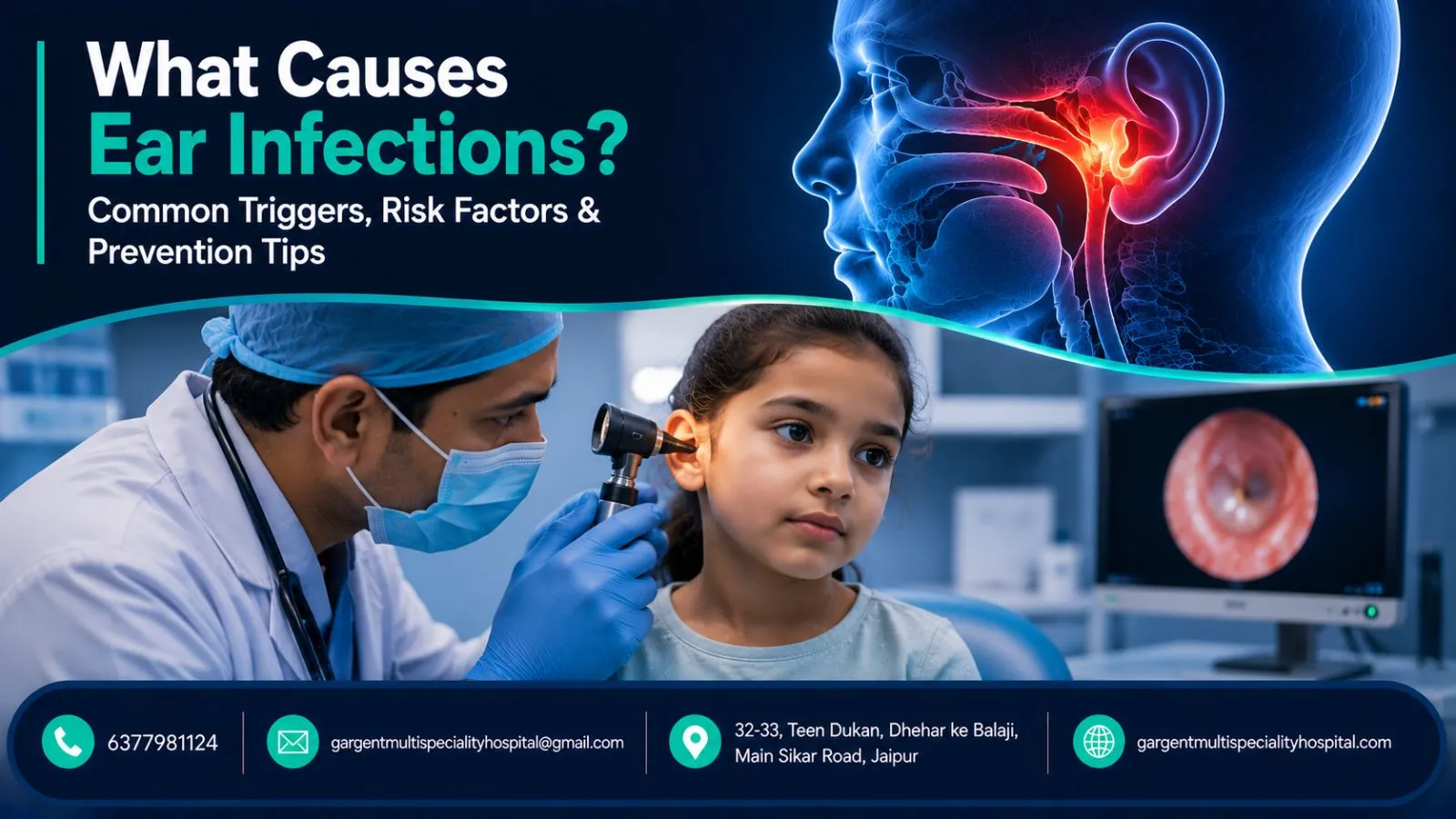
Ear infections are among the most common health problems affecting both children and adults. They can develop suddenly, causing pain, pressure, temporary hearing difficulties, and discomfort during daily activities. Understanding ear infection causes is important because many cases are linked to preventable factors such as respiratory infections, moisture buildup, allergies, and poor ear hygiene practices.
In recent years, ENT specialists have reported increased awareness about ear health, especially among people who regularly use earbuds, swim frequently, or experience recurring allergies. Knowing how infections develop and identifying risk factors early can help reduce complications and support faster recovery.
How Ear Infections Develop
The ear is a complex organ that helps with hearing and balance. An infection occurs when harmful microorganisms enter the ear and trigger inflammation. Although symptoms may appear similar, the underlying cause can vary significantly from one person to another.
Many people ask what causes ear infections because symptoms often appear after a cold, allergy flare-up, or water exposure. Understanding the development process helps explain why some individuals experience occasional infections while others face recurring episodes.
Understanding the Structure of the Ear
The ear consists of three main sections: the outer ear, middle ear, and inner ear. Each section performs a specific role in hearing and balance. The outer ear collects sound waves, while the middle ear contains tiny bones that transmit sound. The inner ear converts sound signals into messages for the brain.
When any of these sections become irritated or blocked, fluid may accumulate. This creates an environment where bacteria, viruses, or fungi can grow. The middle ear is especially vulnerable because it connects to the throat through the Eustachian tube, which can become blocked during illness.
How Germs Enter the Ear Canal
Microorganisms can enter the ear through several pathways. In some cases, germs travel from the nose and throat after a respiratory infection. In other situations, contaminated water or excessive moisture introduces microbes into the ear canal.
Common pathways include:
- Colds and upper respiratory infections
- Allergic reactions causing congestion
- Swimming in untreated water
- Skin damage inside the ear canal
- Improper use of cotton swabs
These pathways explain why infections are often associated with seasonal illnesses and environmental exposure.
Why Inflammation Causes Infection
Inflammation is the body’s natural response to irritation or infection. When tissues inside the ear become swollen, normal drainage may be blocked. Trapped fluid creates a favorable environment for microorganisms to multiply.
This process is often the primary reason for ear infection development. Swelling reduces airflow and prevents fluids from draining properly. As pressure increases, symptoms such as pain, fullness, and temporary hearing loss become more noticeable.
Most Common Causes of Ear Infections
Several different microorganisms can cause ear infections. Identifying the source is important because treatment approaches vary depending on whether the infection is bacterial, viral, or fungal.
Healthcare professionals evaluate symptoms, medical history, and physical examination findings to determine the likely cause. Understanding the most common triggers helps individuals recognize symptoms earlier and seek appropriate care.
Bacterial Infections and Bacterial Ear Infection
A bacterial ear infection develops when bacteria multiply within the ear after fluid becomes trapped. This often happens following a cold or sinus infection. Children are particularly vulnerable because their Eustachian tubes are shorter and more easily blocked.
Common bacterial organisms include Streptococcus pneumoniae and Haemophilus influenzae. These bacteria can cause significant inflammation and discomfort.
Typical symptoms include:
- Sharp ear pain
- Fever
- Fluid drainage
- Reduced hearing
- Pressure inside the ear
Medical treatment may involve antibiotics when a healthcare professional confirms a bacterial cause. Early intervention can help prevent complications and reduce symptom duration.
Viral Infections and Viral Ear Infection
A viral ear infection usually occurs alongside illnesses such as influenza, the common cold, or other respiratory infections. Viruses can trigger inflammation and fluid buildup without the presence of bacteria.
Many viral infections improve without antibiotics because the immune system gradually clears the virus. However, symptoms may still cause considerable discomfort.
Common viral triggers include:
- Influenza viruses
- Rhinoviruses
- Respiratory syncytial virus
- Adenoviruses
During viral infections, maintaining hydration and following medical advice can help support recovery. Monitoring symptoms is important because viral infections sometimes create conditions that later allow bacterial growth.
Fungal Ear Infections and Fungal Ear Infection Causes
Although less common than bacterial or viral infections, fungal infections can affect the ear canal, especially in warm and humid environments. Understanding fungal ear infection causes is important for people who swim frequently or live in regions with high humidity.
Fungi thrive in moist conditions and may grow when the ear canal remains damp for extended periods. Excessive cleaning can also remove protective earwax, increasing vulnerability.
Common signs include:
- Persistent itching
- Ear discomfort
- Flaky skin
- Thick discharge
- Mild hearing changes
Treatment usually involves antifungal medications prescribed by a healthcare professional after proper diagnosis.
Risk Factors That Increase Ear Infection Chances
Not everyone exposed to germs develops an ear infection. Certain lifestyle habits, medical conditions, and environmental factors can significantly increase risk.
Research and clinical experience show that preventing these risk factors may reduce the frequency of recurring infections. Understanding personal risk factors is often the first step toward better ear health.
Colds, Sinus Problems and Allergies
Respiratory illnesses frequently contribute to ear infections. Congestion can block the Eustachian tubes, preventing proper drainage from the middle ear. When fluid remains trapped, microorganisms can multiply more easily.
Seasonal allergies may create a similar effect. Swollen nasal passages and increased mucus production can interfere with normal ear function.
This connection explains why ear infection happens more frequently during allergy seasons and periods of widespread respiratory illness. Managing allergies effectively may help lower the risk of future infections.
Excess Moisture and Swimming
Water exposure is one of the most overlooked risk factors. Swimmers often experience prolonged moisture retention in the ear canal, creating conditions favorable for microbial growth.
People who swim regularly should pay attention to ear protection and drying techniques. Risk increases when:
- Water remains trapped after swimming
- Ear canals are frequently exposed to moisture
- Swimming occurs in contaminated water
- Humid environments prevent proper drying
Professional swimmers and recreational swimmers alike can benefit from preventive ear care practices.
Poor Ear Cleaning Habits
Many individuals believe aggressive cleaning improves ear hygiene. In reality, excessive cleaning can increase infection risk. Cotton swabs may push earwax deeper into the canal and create small injuries that allow microorganisms to enter.
Earwax plays a protective role by trapping debris and limiting microbial growth. Removing too much wax may disrupt this natural defense mechanism.
A second important reason for ear infection development is accidental damage caused by improper cleaning tools. Gentle hygiene practices are usually more beneficial than frequent deep cleaning.
How to Prevent Ear Infections
Prevention focuses on maintaining healthy ear conditions and minimizing exposure to known risk factors. While not every infection can be avoided, many cases can be prevented through simple daily habits.
Modern ENT recommendations emphasize a combination of hygiene, allergy management, and early medical evaluation when symptoms appear. These strategies are effective for both children and adults.
Keep Ears Clean and Dry
Keeping ears dry is one of the simplest preventive measures. After bathing or swimming, gently dry the outer ear using a clean towel. Avoid inserting objects deep into the ear canal.
Helpful prevention tips include:
- Dry ears after water exposure
- Use protective swim gear when necessary
- Avoid sharing earbuds
- Limit unnecessary ear cleaning
- Follow professional ear care advice
These habits can reduce moisture buildup and support the ear’s natural protective mechanisms.
Manage Allergies and Respiratory Infections
Addressing underlying respiratory conditions can significantly reduce infection risk. Treating congestion promptly may improve Eustachian tube function and support proper fluid drainage.
Healthcare professionals often recommend:
- Managing seasonal allergies
- Staying hydrated during illnesses
- Practicing good hand hygiene
- Avoiding exposure to respiratory infections
- Following prescribed treatment plans
These measures help address several major ear infection causes before they lead to complications.
When to Visit an ENT Specialist
Although many mild infections improve with appropriate care, some situations require specialist evaluation. Persistent symptoms, recurring infections, or hearing changes should never be ignored.
A second look at what causes ear infections becomes especially important when infections repeatedly return despite preventive efforts. An ENT specialist can identify structural issues, chronic inflammation, or underlying medical conditions that may contribute to ongoing problems.
You should consider medical evaluation if you experience:
- Severe ear pain
- High fever
- Hearing loss
- Recurrent infections
- Persistent discharge
- Symptoms lasting longer than expected
Specialist assessment can help determine whether a bacterial ear infection, viral ear infection, or issues related to fungal ear infection causes are responsible for recurring symptoms.
Understanding ear infection causes allows individuals to make informed decisions about prevention, treatment, and long-term ear health. Identifying triggers early often leads to better outcomes and fewer complications.
FAQs
1. What are the most common ear infection causes?
The most common ear infection causes include bacterial infections, viral illnesses, allergies, sinus congestion, trapped moisture, and poor ear hygiene practices.
2. Why does swimming increase the risk of ear infections?
Swimming can leave moisture trapped inside the ear canal, creating conditions that support microbial growth and irritation.
3. Why ear infection happens more often in children?
A common reason why ear infection happens more frequently in children is that their Eustachian tubes are shorter and more prone to blockage.
4. Can allergies lead to ear infections?
Yes. Allergies can cause congestion and inflammation that block normal drainage, increasing the likelihood of fluid buildup and infection.
5. When should I see a doctor for an ear infection?
You should seek medical attention if symptoms are severe, hearing is affected, fever develops, or infections occur repeatedly.