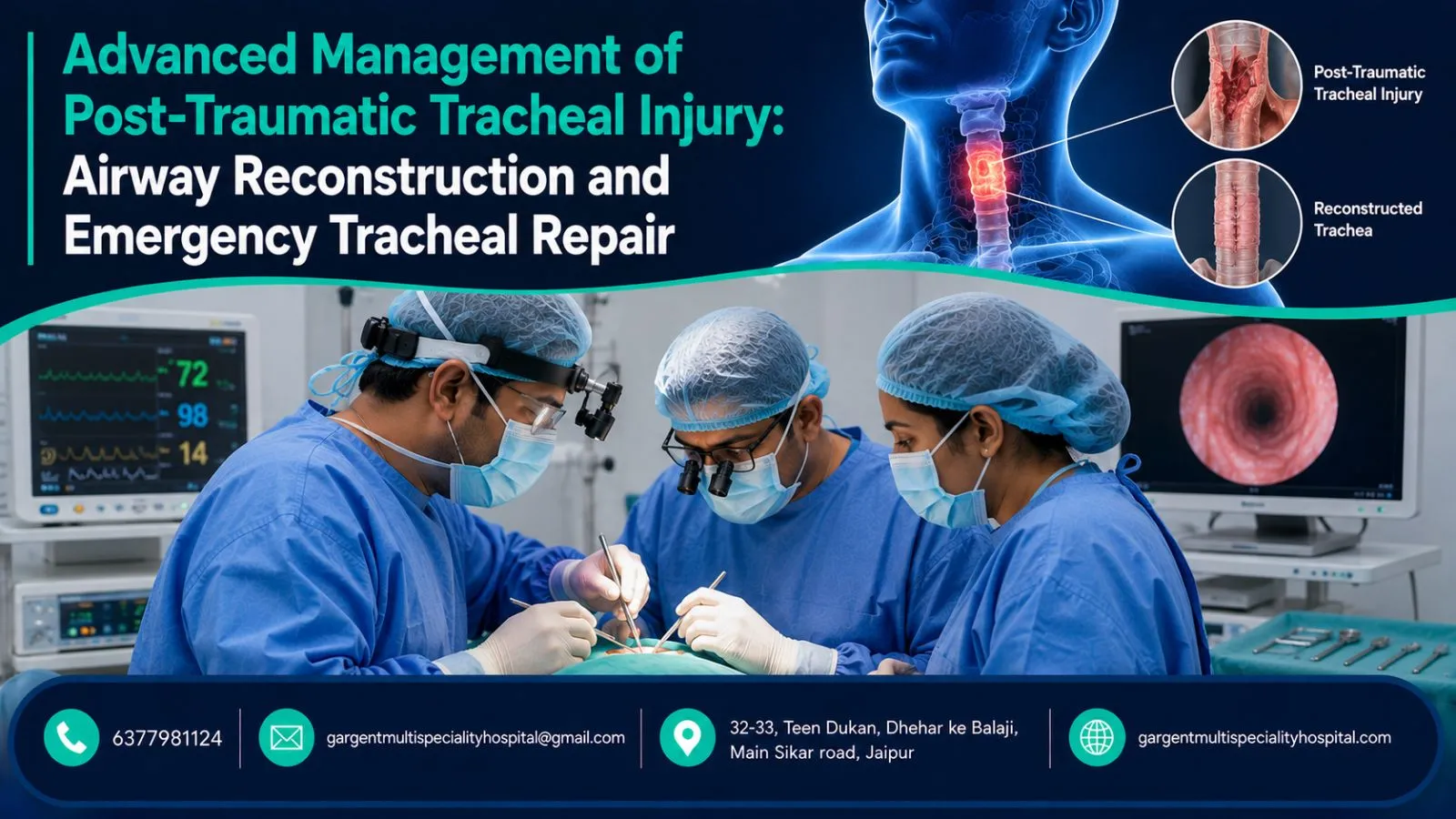
Post-traumatic tracheal injury is a rare but life-threatening condition that requires immediate medical attention. Damage to the trachea can result in severe airway obstruction, breathing difficulties, and potentially fatal complications if not treated promptly. Early diagnosis and timely intervention are critical to restoring normal airway function and preventing long-term respiratory problems.
Modern advancements in airway surgery have significantly improved the management of complex tracheal injuries. Procedures such as endoscopic airway surgery, tracheal reconstruction, emergency tracheal repair, and tracheal stenosis surgery allow specialists to restore airway patency while minimizing complications. These techniques have become essential in managing patients with severe neck trauma and airway compromise.
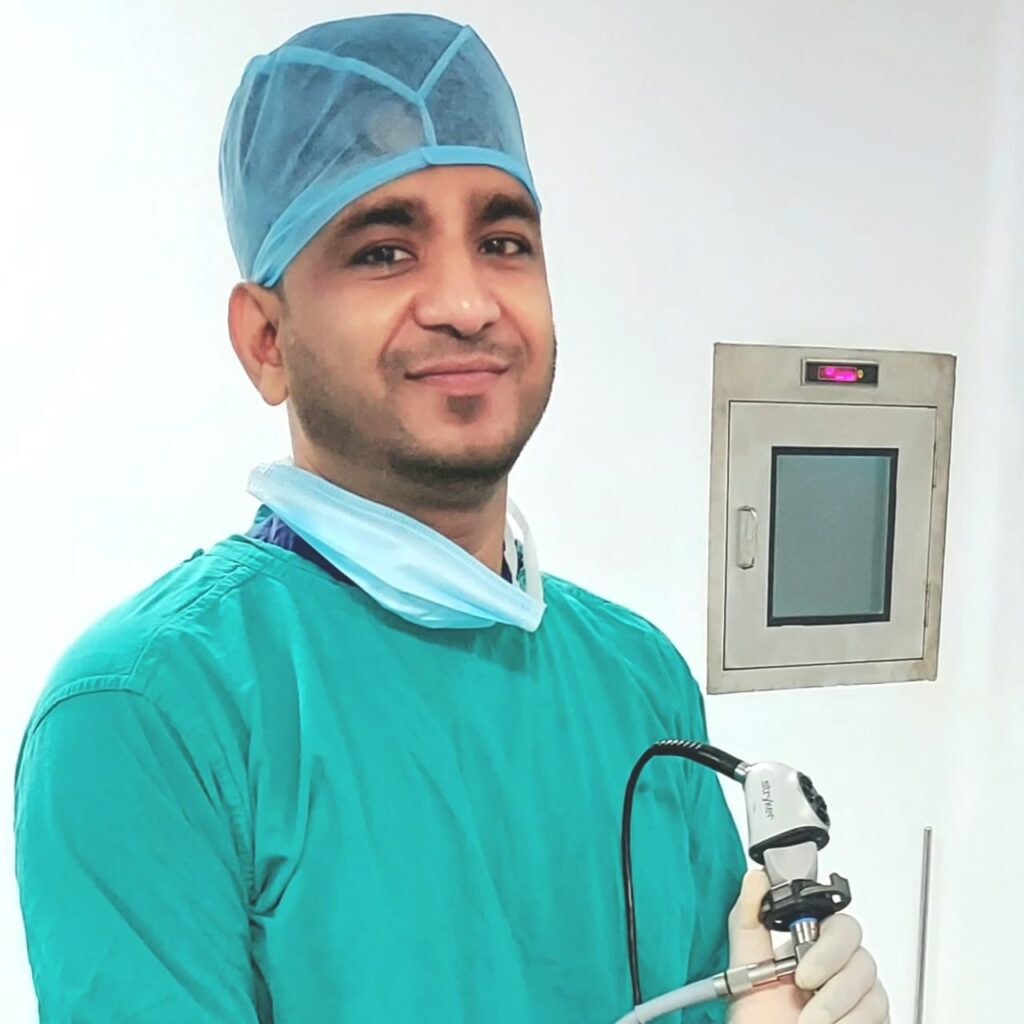
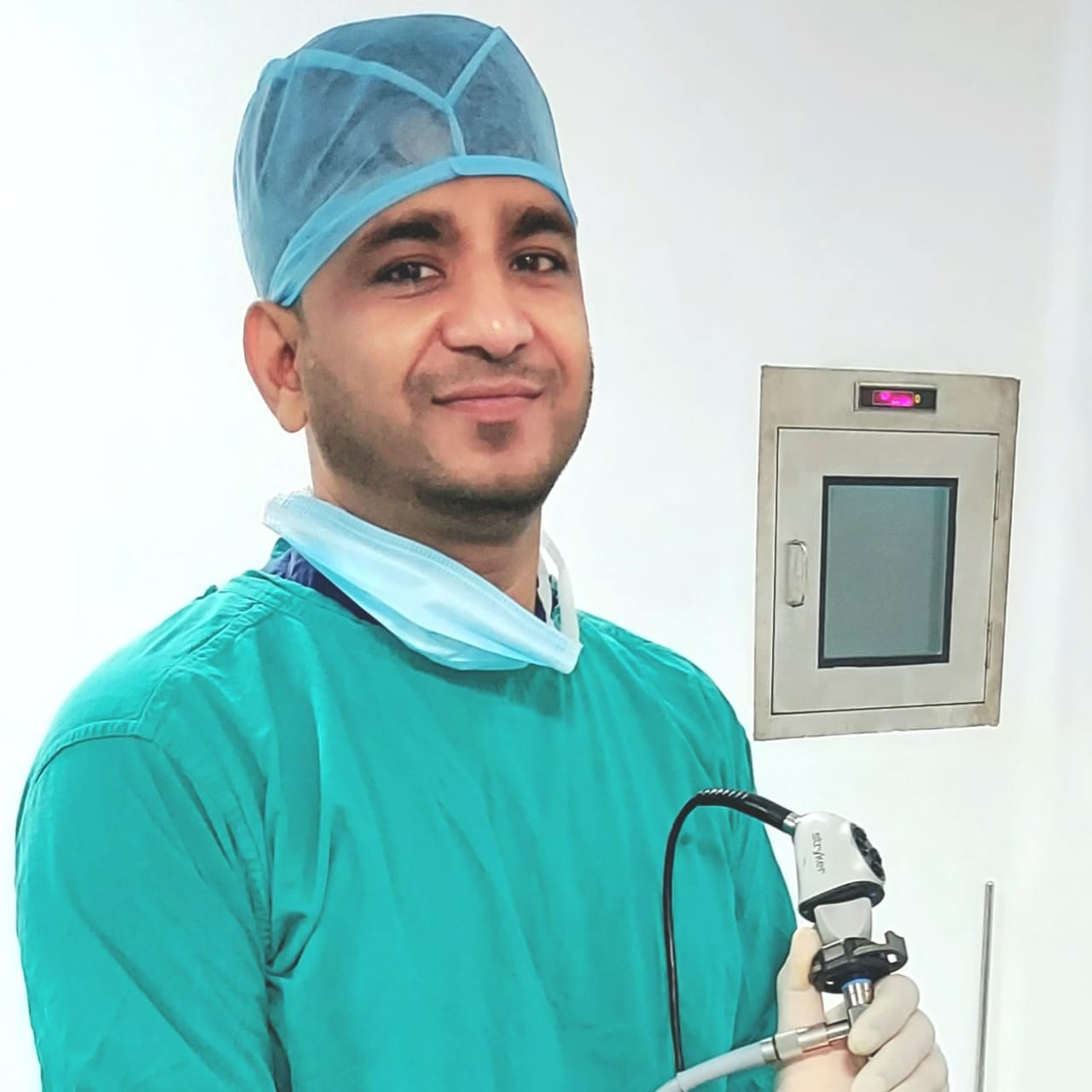
At Garg ENT Multispeciality Hospital, advanced airway procedures are performed under the expertise of Dr. Prateek Garg. Through a combination of critical care management and specialized surgical techniques, patients receive timely treatment aimed at achieving the best possible outcomes.
Understanding Post-Traumatic Tracheal Injury
The trachea, commonly known as the windpipe, is a vital structure that carries air from the throat to the lungs. Trauma caused by road accidents, blunt neck injuries, penetrating wounds, or severe facial injuries can damage the trachea and disrupt normal breathing.
When the trachea is injured, patients may experience narrowing of the airway, known as tracheal stenosis, or complete airway obstruction. Because breathing can rapidly become compromised, emergency medical intervention is often required.
Common signs and symptoms include:
- Difficulty breathing
- Noisy breathing or wheezing
- Voice changes
- Neck swelling
- Persistent cough
- Airway obstruction
- Respiratory distress
Prompt evaluation and specialized treatment are essential to prevent serious complications and preserve airway function.
Clinical Scenario
An 18-year-old male patient was admitted to the Intensive Care Unit (ICU) at Garg ENT Multispeciality Hospital following a severe road traffic accident. Upon arrival, the patient was experiencing significant breathing difficulty due to a critically narrowed airway.
Given the severity of the condition, immediate airway stabilization was initiated under the supervision of Dr. Prateek Garg. Emergency interventions were required to secure the airway and prevent further respiratory compromise.
Following stabilization, a detailed assessment was performed to determine the extent of the injury and develop an appropriate treatment plan. Due to the complexity of the trauma, a multidisciplinary approach was adopted to ensure comprehensive care and successful recovery.
Diagnosis and Evaluation
Accurate diagnosis is crucial in patients with suspected tracheal injuries. Advanced imaging studies and endoscopic examinations help identify the location and severity of airway damage while guiding treatment decisions.
Diagnostic investigations in this case revealed:
- Severe tracheal injury
- Significant airway narrowing
- Near-complete airway obstruction
- Damage to surrounding soft tissues
The findings confirmed the need for urgent surgical intervention. Early diagnosis allowed the medical team to initiate treatment before permanent airway damage or life-threatening complications developed.
Advanced airway assessment techniques also enabled surgeons to carefully plan the reconstruction process and improve the chances of successful recovery.
Treatment Approach
Management of post-traumatic tracheal injury requires a combination of intensive care support and advanced surgical intervention. The treatment strategy in this case focused on restoring airway function, repairing damaged structures, and preventing future complications.
ICU Airway Management
The first priority was securing the patient’s airway and ensuring adequate oxygen delivery. Intensive care specialists closely monitored respiratory function and stabilized the patient before definitive surgical treatment.
Critical care management included:
- Continuous oxygen support
- Airway monitoring
- Respiratory stabilization
- Hemodynamic assessment
- Emergency airway access when required
Early ICU intervention played a vital role in preventing further deterioration and preparing the patient for surgery.
Endoscopic Airway Surgery
Once the patient was stabilized, endoscopic airway evaluation was performed. This minimally invasive procedure allowed surgeons to directly visualize the airway and assess the extent of injury.
Using advanced endoscopic equipment, the surgical team identified damaged areas and planned a targeted treatment strategy. The procedure also helped minimize surgical trauma while improving precision and safety.
Emergency Tracheal Repair
Because of the severity of the injury, emergency tracheal repair was necessary to restore airway continuity. Specialized surgical techniques were used to repair damaged tracheal structures and re-establish normal airflow.
The primary objectives of the repair included:
- Restoring airway stability
- Eliminating obstruction
- Preserving respiratory function
- Preventing future complications
Successful repair significantly improved breathing and reduced the risk of long-term airway problems.
Airway Reconstruction and Neck Trauma Surgery
Following tracheal repair, advanced airway reconstruction procedures were performed to restore the structural integrity of the airway. In addition, associated neck injuries were carefully managed to ensure complete recovery.
Airway reconstruction is particularly important in patients with severe trauma because it helps maintain long-term airway function and reduces the likelihood of recurrent narrowing or scarring.
Clinical Expertise
Managing complex airway injuries requires extensive experience and specialized surgical skills. At Garg ENT Multispeciality Hospital, Dr. Prateek Garg has significant expertise in treating advanced airway disorders and traumatic tracheal injuries.
His areas of specialization include:
- Post-traumatic airway reconstruction
- Tracheal injury management
- Endoscopic airway procedures
- Tracheal stenosis treatment
- Complex neck trauma surgery
Through the use of modern surgical techniques and evidence-based treatment protocols, patients receive personalized care focused on safety, recovery, and long-term success.
Duration and Recovery
Recovery from tracheal surgery depends on the severity of the injury and the complexity of the procedure performed. However, advancements in surgical techniques and critical care management have significantly improved recovery outcomes.
Typical Recovery Timeline
- ICU Stay: Required for close airway monitoring
- Surgery Duration: Varies depending on injury severity
- Hospital Stay: Based on recovery progress
- Follow-Up Care: Regular airway assessments and imaging
Most patients require gradual rehabilitation and periodic follow-up evaluations to ensure proper healing and airway function.
Outcomes and Patient Benefits
Successful management of post-traumatic tracheal injury provides several important benefits that contribute to improved quality of life and long-term respiratory health.
Restoration of Normal Breathing
Repair and reconstruction of the airway restore normal airflow, allowing patients to breathe comfortably without obstruction.
Effective Tracheal Healing
Advanced surgical techniques promote proper healing of damaged tracheal tissues and reduce the risk of future complications.
Comprehensive Trauma Management
The combination of airway reconstruction and neck trauma surgery addresses multiple injuries simultaneously, supporting complete recovery.
Reduced Risk of Long-Term Complications
Timely treatment helps prevent chronic airway narrowing, recurrent infections, and permanent respiratory impairment.
Improved Recovery and Quality of Life
With expert surgical care and structured rehabilitation, patients can return to normal activities and enjoy improved overall well-being.
Why Early Treatment is Important
Tracheal injuries can rapidly become life-threatening if not treated promptly. Delayed intervention may lead to progressive airway narrowing, severe breathing difficulties, and irreversible damage to respiratory structures.
Early diagnosis allows specialists to:
- Secure the airway quickly
- Prevent respiratory failure
- Reduce surgical complications
- Improve treatment outcomes
- Enhance long-term recovery
For patients with significant neck trauma or breathing difficulties following an accident, immediate medical evaluation is essential.
Conclusion
This case highlights the critical importance of early intervention in the management of post-traumatic tracheal injury. Through timely diagnosis, advanced airway surgery, emergency tracheal repair, and comprehensive critical care support, successful restoration of airway function can be achieved even in complex cases.
At Garg ENT Multispeciality Hospital, Dr. Prateek Garg utilizes modern surgical techniques and specialized expertise to provide life-saving treatment for severe airway injuries. With a focus on patient safety, functional recovery, and long-term outcomes, advanced airway reconstruction continues to transform the management of traumatic tracheal disorders.
Frequently Asked Questions
1. What is post-traumatic tracheal injury?
Post-traumatic tracheal injury occurs when the windpipe is damaged due to trauma such as road accidents, blunt neck injuries, or penetrating wounds. It can lead to airway obstruction and breathing difficulties.
2. What are the common symptoms of tracheal injury?
Common symptoms include difficulty breathing, voice changes, neck swelling, noisy breathing, coughing, and respiratory distress.
3. How is a tracheal injury diagnosed?
Diagnosis typically involves clinical examination, imaging studies such as CT scans, and endoscopic evaluation of the airway to determine the extent of damage.
4. What treatments are available for tracheal injury?
Treatment may include airway stabilization, endoscopic procedures, emergency tracheal repair, airway reconstruction surgery, and intensive care management depending on the severity of the injury.
5. How long does recovery take after tracheal surgery?
Recovery varies according to the extent of the injury and surgical procedure performed. Most patients require close monitoring and follow-up care to ensure proper healing.
Is tracheal surgery safe?
Yes. When performed by experienced specialists using advanced surgical techniques, tracheal surgery is considered safe and highly effective for restoring airway function.
When should someone seek emergency medical care after neck trauma?
Immediate medical attention is necessary if there is difficulty breathing, airway obstruction, severe neck swelling, voice changes, or any signs of respiratory distress following trauma.