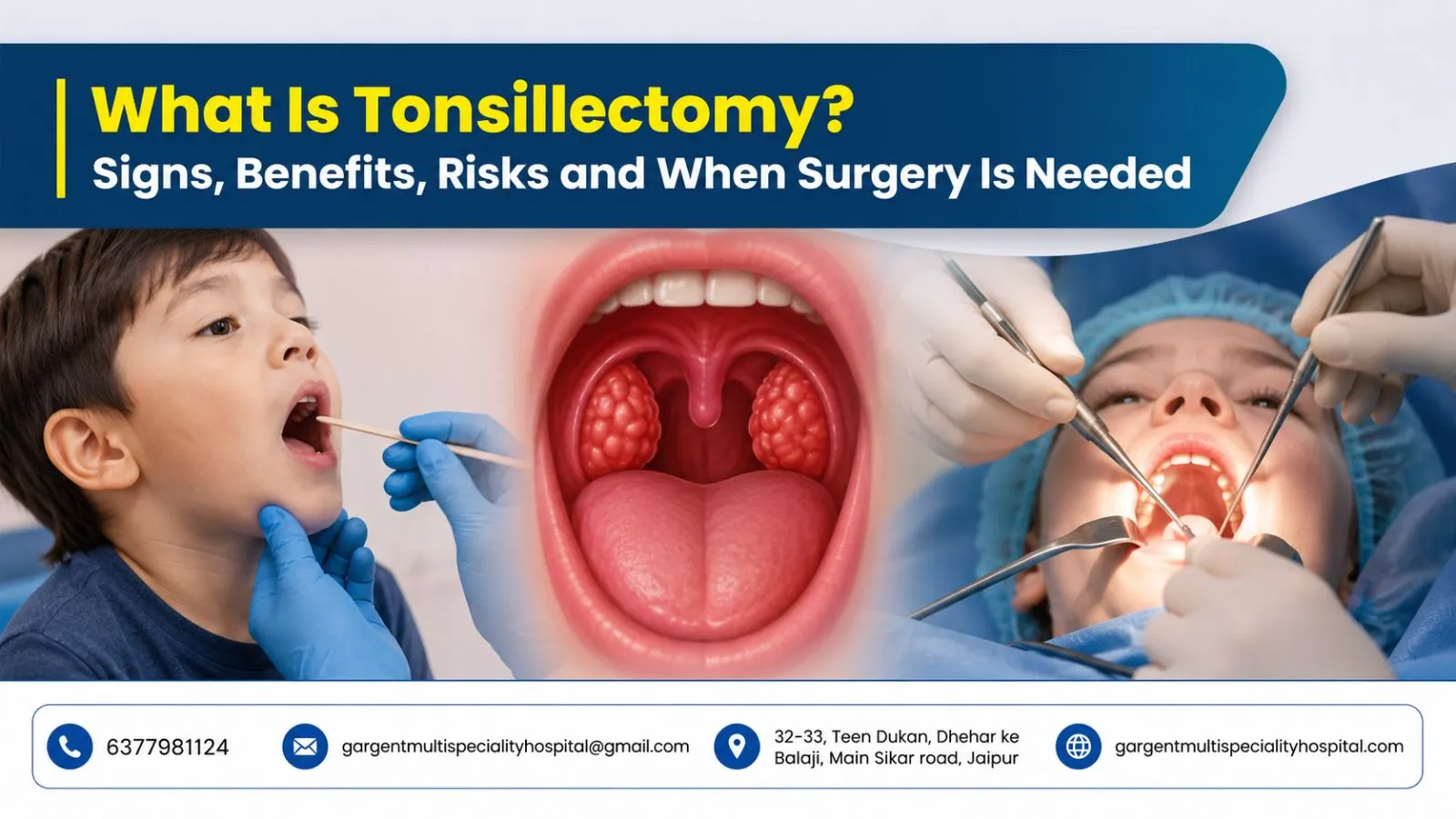
Tonsil problems can significantly affect a person’s quality of life, especially when infections become frequent or breathing difficulties develop. In such situations, doctors may recommend a tonsillectomy, a common surgical procedure performed to remove the tonsils.
Although tonsil removal is one of the most frequently performed ENT surgeries, many patients and parents have questions about why it is needed, what benefits it offers, and what recovery involves. Understanding the procedure can help individuals make informed healthcare decisions and recognize when specialist evaluation is necessary.
This guide explains the meaning of tonsillectomy, common reasons for surgery, benefits, risks, and important considerations before undergoing treatment.
What Is a Tonsillectomy?
The tonsils are two small masses of tissue located at the back of the throat. They play a role in the immune system by helping the body fight infections during early childhood. However, when the tonsils repeatedly become infected or enlarged, they may cause more problems than benefits.
A tonsillectomy is performed to address these ongoing issues and improve overall throat health.
Tonsillectomy Definition and Meaning
Many people ask what is tonsillectomy and why doctors recommend it. A tonsillectomy is a surgical procedure used to remove one or both tonsils from the throat.
The tonsillectomy meaning refers specifically to the complete surgical removal of tonsillar tissue. The procedure is commonly performed by ENT specialists under general anesthesia.
The tonsillectomy definition in medical practice involves eliminating diseased or enlarged tonsils that are causing repeated infections, airway obstruction, or other complications.
When healthcare providers define tonsillectomy, they describe it as a safe and effective treatment for chronic tonsil-related conditions that do not respond well to conservative management.
Why Are Tonsils Removed?
Tonsils help the immune system identify and fight germs entering through the mouth and nose. However, repeated infections can damage the tonsils and reduce their effectiveness.
Doctors may recommend tonsil removal for several reasons, including:
- Frequent throat infections
- Chronic tonsillitis
- Enlarged tonsils
- Breathing difficulties
- Obstructive sleep apnea
- Persistent bad breath caused by tonsil stones
When tonsil problems become recurrent, surgery may provide long-term relief and reduce future health complications.
Who May Need a Tonsillectomy?
Tonsillectomy can benefit both children and adults experiencing ongoing tonsil-related issues. While the procedure is commonly associated with childhood treatment, adults may also require surgery.
Patients who may be candidates include:
- Children with repeated tonsillitis
- Adults with chronic throat infections
- Individuals with airway obstruction
- Patients experiencing sleep-related breathing disorders
- People with recurrent tonsil abscesses
An ENT specialist evaluates symptoms, medical history, and examination findings before recommending surgery.
Common Signs You May Need a Tonsillectomy
Not every sore throat requires surgery. However, recurring infections or complications affecting daily life may indicate the need for further evaluation.
Understanding the warning signs can help patients seek treatment before symptoms become more severe.
Recurrent Tonsillitis and Throat Infections
One of the most common reasons for tonsillectomy is recurrent tonsillitis. Frequent infections can interfere with school, work, and daily activities.
Common signs include:
- Repeated sore throats
- Fever episodes
- Swollen tonsils
- Difficulty swallowing
- Enlarged lymph nodes
Healthcare providers may consider surgery when infections occur multiple times per year despite appropriate medical treatment.
Repeated antibiotic use and missed daily activities often influence treatment decisions.
Enlarged Tonsils and Breathing Difficulties
Enlarged tonsils can narrow the airway and create breathing problems, especially during sleep.
Symptoms may include:
- Mouth breathing
- Noisy breathing
- Difficulty swallowing
- Restless sleep
- Daytime fatigue
Children with significantly enlarged tonsils may experience growth, behavioral, or concentration issues because of disrupted sleep patterns.
Removing enlarged tonsils can often improve breathing and overall well-being.
Sleep Apnea and Snoring Caused by Tonsils
Many parents are surprised to learn that enlarged tonsils are a leading cause of pediatric obstructive sleep apnea.
Common symptoms include:
- Loud snoring
- Pauses in breathing during sleep
- Frequent waking
- Morning headaches
- Excessive daytime sleepiness
One of the most important situations when tonsillectomy is needed is when enlarged tonsils contribute to sleep-disordered breathing.
Early treatment can significantly improve sleep quality and reduce long-term health risks.
Benefits of Tonsillectomy Surgery
Tonsillectomy offers several advantages for patients who experience ongoing tonsil-related problems. The benefits often extend beyond simply reducing infections.
Many individuals notice significant improvements in overall health and daily functioning after recovery.
Reduced Frequency of Throat Infections
One of the primary benefits of tonsil removal is a decrease in recurrent throat infections.
Patients often experience:
- Fewer sore throats
- Reduced antibiotic use
- Less missed school or work
- Lower risk of complications
- Improved overall throat health
For individuals who struggle with repeated tonsillitis, surgery can provide long-term relief and improve quality of life.
The reduction in infection frequency is often noticeable within the first year following surgery.
Improved Sleep and Breathing
Breathing problems caused by enlarged tonsils can significantly impact sleep quality and overall health.
Benefits after surgery may include:
- Easier breathing
- Reduced snoring
- Better sleep quality
- Increased daytime energy
- Improved concentration
Children often experience noticeable improvements in behavior, learning, and physical development after treatment of sleep-related breathing issues.
Adults may also report increased productivity and reduced fatigue.
Better Quality of Life for Children and Adults
The overall impact of tonsillectomy often extends beyond physical symptoms.
Many patients experience:
- Improved daily comfort
- Better sleep patterns
- Reduced healthcare visits
- Enhanced social participation
- Greater overall well-being
Families frequently report significant lifestyle improvements once chronic tonsil problems have been resolved.
These benefits contribute to higher patient satisfaction and long-term health outcomes.
Risks and Considerations Before Tonsil Removal
Although tonsillectomy is generally considered safe, every surgical procedure carries certain risks. Understanding potential complications and recovery expectations helps patients prepare appropriately.
Careful evaluation by an ENT specialist ensures that the benefits outweigh the risks.
Potential Side Effects of Tonsillectomy
Most patients recover without significant complications. However, some temporary side effects are common.
Possible side effects include:
- Throat pain
- Ear pain
- Mild bleeding
- Difficulty swallowing
- Temporary bad breath
Serious complications are uncommon but may include infection or significant bleeding that requires medical attention.
Following post-operative instructions carefully helps reduce these risks.
Recovery Expectations After Surgery
Recovery timelines vary depending on age, overall health, and individual healing responses.
Most patients can expect:
- Sore throat for 1–2 weeks
- Gradual return to normal eating
- Increased fluid requirements
- Temporary activity restrictions
- Follow-up appointments
Children often recover slightly faster than adults, although every patient heals differently.
Adequate hydration and rest play important roles in successful recovery.
When to Consult an ENT Specialist
Not all tonsil problems require surgery, but persistent symptoms should not be ignored.
Consult an ENT specialist if you experience:
- Frequent tonsillitis
- Enlarged tonsils
- Sleep disturbances
- Breathing difficulties
- Recurrent throat infections
Early evaluation allows healthcare providers to determine whether medical treatment or surgical intervention is the most appropriate option.
At Garg ENT & Multispeciality Hospital, ENT specialists provide comprehensive assessment and personalized treatment plans for patients experiencing chronic tonsil conditions.
Conclusion
A tonsillectomy is a common and effective surgical procedure used to treat recurrent tonsil infections, enlarged tonsils, and sleep-related breathing problems. While not every patient requires surgery, those experiencing persistent symptoms often benefit from improved health, better sleep, and fewer throat infections after treatment.
Understanding the procedure, its benefits, and potential risks helps patients make informed decisions about their care. If you or your child experiences ongoing tonsil-related problems, consulting an ENT specialist can help determine the best course of treatment.
FAQs
1. What is tonsillectomy?
Tonsillectomy is a surgical procedure performed to remove the tonsils when they cause recurrent infections, breathing difficulties, or other health problems.
2. Why are tonsils removed?
Tonsils may be removed because of chronic infections, enlarged tonsils, sleep apnea, breathing difficulties, or recurrent tonsil abscesses.
3. How long does tonsillectomy recovery take?
Most patients recover within one to two weeks, although recovery times can vary depending on age and overall health.
4. Is tonsillectomy safe?
Yes. Tonsillectomy is generally considered a safe procedure when performed by experienced ENT specialists, although all surgeries carry some risks.
5. When is tonsillectomy needed?
Tonsillectomy may be recommended for recurrent tonsillitis, enlarged tonsils causing airway obstruction, sleep apnea, or other persistent tonsil-related complications.