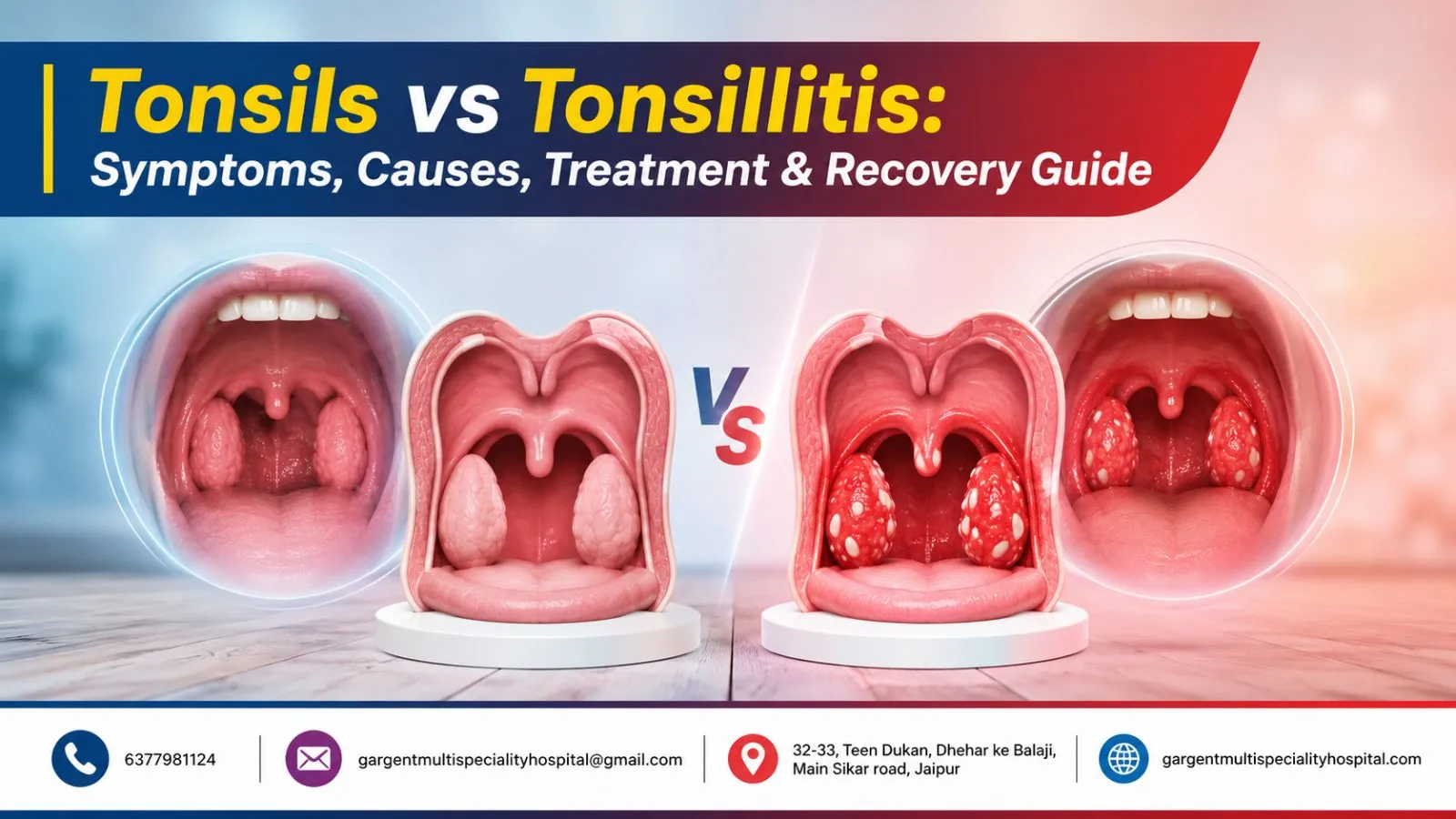
Many people confuse tonsils with tonsillitis, assuming they are the same thing. However, tonsils are a normal part of the body’s immune system, while tonsillitis is a medical condition that occurs when the tonsils become inflamed or infected. Understanding the difference is important for recognizing symptoms, seeking timely treatment, and preventing complications.
Tonsil-related conditions are among the most common reasons for ENT consultations, especially in children. While many cases improve with supportive care, some infections require medical treatment or even surgical intervention. This guide explains the role of tonsils, how tonsillitis develops, common symptoms, treatment options, and recovery expectations.
What Are Tonsils and What Do They Do?
Tonsils are small masses of lymphoid tissue located at the back of the throat. They act as part of the body’s immune defense system and help identify harmful bacteria and viruses that enter through the mouth and nose.
Although tonsils are most active during childhood, they continue to play a role in protecting the body against infections throughout life.
Where Are Tonsils Located?
The tonsils in throat are positioned on either side of the back of the mouth. They are visible when a person opens their mouth wide and looks toward the back of the throat.
These tissues serve as the body’s first line of defense against germs entering through:
- The mouth
- The nose
- The respiratory tract
Because of their location, tonsils are frequently exposed to viruses and bacteria, making them vulnerable to infection and inflammation.
Types of Tonsils in the Human Body
Many people are unaware that the body contains more than one type of tonsil. Together, these structures form a protective ring of lymphoid tissue around the throat.
The main types include:
- Palatine tonsils
- Adenoids (pharyngeal tonsils)
- Lingual tonsils
- Tubal tonsils
The palatine tonsils are the ones most commonly affected by infections and are usually referred to when discussing tonsil-related conditions.
Each type contributes to immune surveillance and protection against pathogens.
The Role of Tonsils in Immunity
The primary tonsils function is to help the immune system detect and respond to harmful microorganisms entering the body.
Tonsils contain specialized immune cells that:
- Identify bacteria
- Detect viruses
- Produce antibodies
- Support immune responses
During early childhood, tonsils play a particularly important role in developing immunity. However, repeated infections can sometimes cause them to become more problematic than protective.
This is why some individuals eventually require medical treatment or surgical removal.
What Is Tonsillitis?
While tonsils are normal anatomical structures, tonsillitis refers to inflammation or infection affecting these tissues. The condition can occur in both children and adults, although it is particularly common among school-aged children.
Understanding the causes of tonsillitis can help reduce the risk of recurrent infections and complications.
How Tonsillitis Develops
Many patients ask, what is tonsillitis and why it occurs. Tonsillitis develops when bacteria or viruses infect the tonsils, triggering inflammation and swelling.
The infection causes the tonsils to become:
- Red
- Enlarged
- Painful
- Inflamed
As the immune system responds, symptoms such as fever, sore throat, and difficulty swallowing may develop.
The severity of symptoms often depends on the type of infection and the individual’s immune response.
Viral vs Bacterial Tonsillitis
Tonsillitis can be caused by either viruses or bacteria. Identifying the cause is important because treatment approaches differ.
Viral Tonsillitis
- Common cold viruses
- Influenza viruses
- Epstein-Barr virus
Bacterial Tonsillitis
- Streptococcus bacteria
- Other bacterial pathogens
Viral infections typically improve with supportive care, while bacterial infections may require antibiotics prescribed by a healthcare professional.
An accurate diagnosis helps ensure appropriate treatment.
Common Causes of Tonsillitis
Several factors increase the likelihood of developing a tonsil infection.
Common causes include:
- Viral respiratory infections
- Bacterial throat infections
- Close contact with infected individuals
- Poor hand hygiene
- Weakened immune defenses
Children are particularly susceptible because they frequently interact with others in schools and daycare environments where infections can spread easily.
Good hygiene practices can help reduce transmission and infection risk.
Symptoms of Tonsillitis
Symptoms can range from mild discomfort to severe throat pain that interferes with eating, drinking, and daily activities. Early recognition helps ensure prompt treatment and recovery.
Although symptoms often overlap between adults and children, certain differences may occur depending on age.
Early Warning Signs
The earliest symptoms of tonsillitis usually involve throat discomfort and inflammation.
Common warning signs include:
- Sore throat
- Pain when swallowing
- Fever
- Headache
- Fatigue
- Bad breath
Patients may also notice swollen tonsils, which can appear red or develop white patches depending on the cause of infection.
Early treatment may help reduce symptom severity and recovery time.
Symptoms in Adults
Adults with tonsillitis often experience symptoms that affect work, sleep, and daily activities.
Common adult symptoms include:
- Severe throat pain
- Difficulty swallowing
- Fever and chills
- Swollen neck glands
- Ear pain
Some adults may also experience persistent fatigue and voice changes during the infection.
Prompt medical evaluation is recommended when symptoms become severe or persist beyond several days.
Symptoms in Children
Children may not always be able to describe their symptoms clearly. Parents should watch for behavioral and physical signs that suggest throat discomfort.
Common symptoms in children include:
- Refusal to eat
- Irritability
- Drooling
- Sleep disturbances
- Fever
- Swollen neck glands
Younger children may also become unusually tired or complain of stomach discomfort during throat infections.
Persistent symptoms should be evaluated by an ENT specialist or pediatrician.
Treatment and Recovery
Most cases of tonsillitis improve with proper care and treatment. The best approach depends on whether the infection is viral or bacterial and how severe the symptoms are.
Early intervention can help prevent complications and improve recovery outcomes.
Home Care for Mild Cases
Many mild viral infections can be managed at home with supportive care.
Helpful measures include:
- Drinking plenty of fluids
- Getting adequate rest
- Gargling with warm salt water
- Using throat lozenges
- Taking prescribed pain relievers
Maintaining hydration is particularly important because swallowing discomfort can reduce fluid intake.
Most mild cases improve within a few days to a week.
Medical Treatments Offered by ENT Specialists
ENT specialists evaluate patients experiencing severe, recurrent, or prolonged symptoms.
Treatment options may include:
- Antibiotics for bacterial infections
- Anti-inflammatory medications
- Pain management strategies
- Monitoring for complications
- Follow-up examinations
Accurate diagnosis helps determine the most effective treatment plan and reduces unnecessary medication use.
Professional evaluation is especially important when symptoms fail to improve or frequently recur.
When Tonsil Surgery May Be Needed
Although many infections resolve without surgery, some patients experience repeated episodes that significantly affect quality of life.
Tonsil surgery may be recommended for:
- Recurrent tonsillitis
- Chronic tonsil infections
- Sleep apnea caused by enlarged tonsils
- Breathing difficulties
- Recurrent tonsil abscesses
An ENT specialist evaluates symptom frequency, severity, and overall health before recommending surgical intervention.
For appropriate candidates, surgery can provide long-term relief and reduce future infection risk.
Conclusion
The difference between tonsils and tonsillitis is important to understand. Tonsils are a normal part of the immune system, while tonsillitis occurs when these tissues become infected or inflamed. Although many cases improve with supportive care, recurrent infections, severe symptoms, or breathing difficulties may require medical attention.
Recognizing symptoms early and seeking appropriate treatment can help prevent complications and support faster recovery. If you or your child experiences persistent throat infections or enlarged tonsils, consulting an ENT specialist can help determine the most effective treatment approach.
At Garg ENT & Multispeciality Hospital, experienced ENT specialists provide comprehensive diagnosis and treatment for tonsil-related conditions, helping patients achieve better throat health and improved quality of life.
FAQs
1. What is the difference between tonsils and tonsillitis?
Tonsils are lymphoid tissues located in the throat, while tonsillitis is the inflammation or infection of those tissues.
2. What causes tonsillitis?
Tonsillitis can be caused by viral infections, bacterial infections, or exposure to infectious microorganisms.
3. Can tonsillitis go away without antibiotics?
Yes. Viral tonsillitis often improves with supportive care, while bacterial infections may require antibiotics.
4. What are the symptoms of swollen tonsils?
Symptoms may include throat pain, difficulty swallowing, fever, bad breath, and visible enlargement of the tonsils.
5. When should I see an ENT specialist for tonsillitis?
You should seek medical evaluation if symptoms are severe, recurrent, last longer than a week, or cause breathing or swallowing difficulties.